How We Build Multi-Agent Systems for Old Town
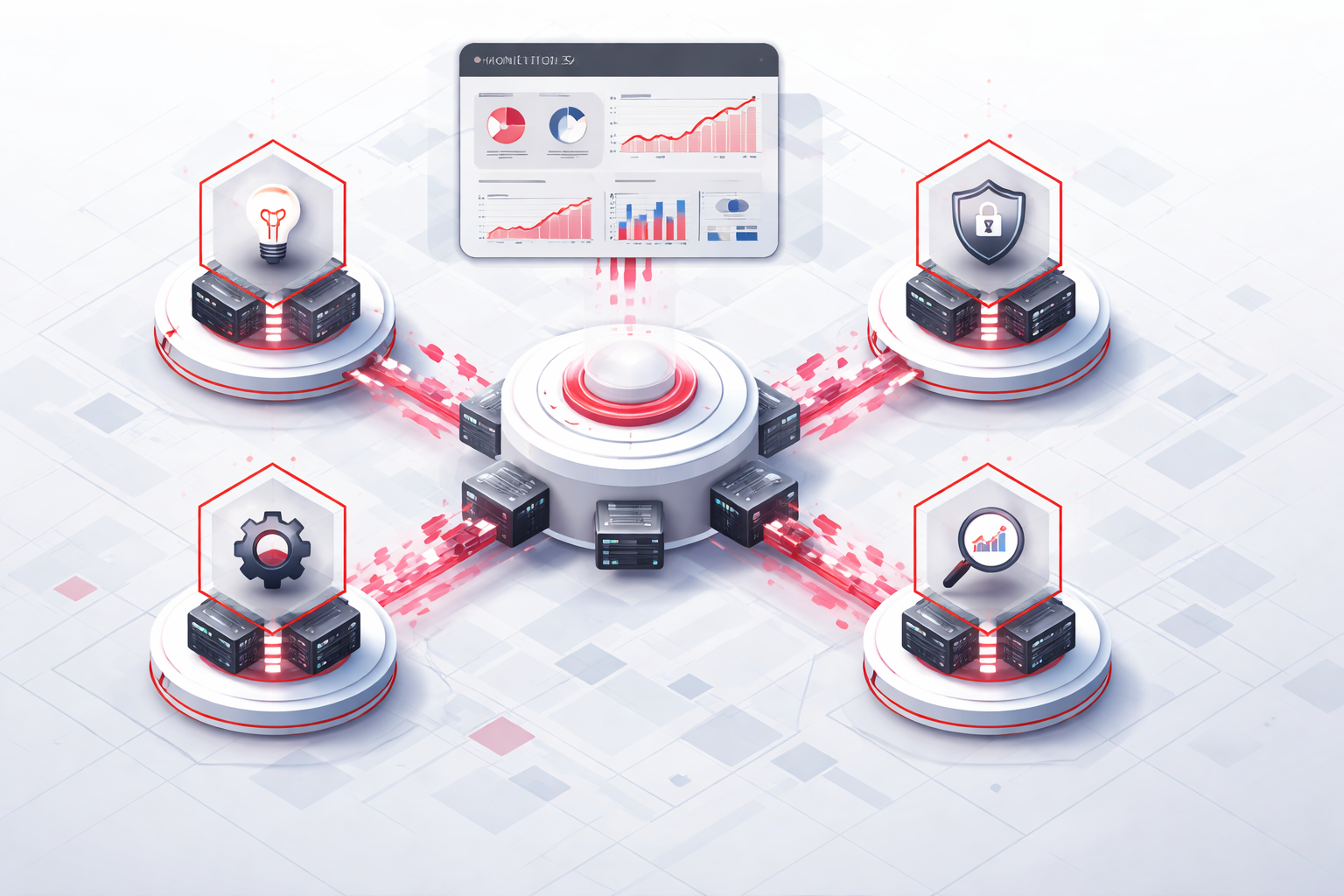
Workflow decomposition and agent role design. We begin by analyzing the complex workflows you want to accelerate and decompose them into specialized functions that benefit from agent-specific intelligence. For a comedy venue's show production workflow, this might mean a performer coordination agent, a promotional content agent, a ticket inventory management agent, and an operations coordination agent. For a design studio, it might mean a project status monitoring agent, a client communication agent, a vendor coordination agent, and a deliverable preparation agent. We design roles based on genuine specialization requirements rather than arbitrary decomposition.
Agent specialization and capability development. For each agent role, we develop the specialized capabilities that make it effective at its specific function. A promotional content agent for a comedy venue needs different knowledge, output formats, and quality standards than a ticket inventory management agent. We build each agent with the domain knowledge, analytical frameworks, and output standards appropriate to its specific role.
Orchestration design. Multi-agent systems succeed or fail on orchestration: how agents share context, what each agent receives from previous agents, where agents work in parallel versus in sequence, and how the system handles situations where one agent's output requires refinement before the next agent can use it. We design orchestration logic based on the actual information flows and dependencies in your specific workflow.
Human oversight integration. For Old Town's creative and hospitality businesses, appropriate human oversight is built into multi-agent system design from the start. A comedy venue's promotional content agent produces draft content that a human reviews before publication. A design studio's client communication agent drafts responses that a principal approves before sending. Agents handle the analytical and preparatory work while humans retain control of the outputs that represent the business externally.
Calibration and quality validation. We calibrate each agent against real examples from your business and validate that multi-agent output quality meets professional standards before deployment. For a comedy venue, this means validating that the coordinated output of the show production system matches or exceeds current manual execution. We don't deploy until quality meets that standard.
Industries We Serve in Old Town
Comedy clubs and entertainment venues along Wells Street deploy multi-agent systems coordinating the full show production workflow: a performer coordination agent manages logistics, rider collection, and pre-show communication; a content production agent generates promotional materials calibrated to each show's comedian profile; an inventory management agent handles real-time ticket pricing and capacity allocation; and an operations agent coordinates the day-of event sequence from door staff briefing through post-show settlement. Shows that currently require four to six hours of management coordination complete their workflow automatically, with human review at defined approval points.
Restaurant groups and multi-location operators throughout Old Town deploy multi-agent systems for coordinated operations management: a performance monitoring agent tracks revenue, margin, and customer metrics across all locations; a competitive intelligence agent monitors menu and pricing changes at comparable establishments; a promotional coordination agent manages location-appropriate marketing; and a staffing optimization agent models labor allocation against forecast demand. Multi-location operations gain intelligence that single-location operators cannot maintain manually.
Interior design and architecture studios in Old Town's historic building stock deploy multi-agent systems for project management coordination: a project status agent monitors milestone completion and budget utilization; a client communication agent prepares status updates and meeting materials; a vendor coordination agent manages specification requests, quote collection, and lead time tracking; and a deliverable preparation agent assembles the analytical foundation for each client presentation. Principals focus on design judgment while agents handle administrative coordination across multiple simultaneous projects.
Boutique hotels and complex hospitality operations adjacent to Lincoln Park deploy multi-agent systems for guest experience coordination: a reservation and revenue management agent optimizes room allocation and pricing; a guest communication agent manages the pre-arrival, in-stay, and post-stay communication sequence; a reputation management agent monitors and drafts review responses; and an operations intelligence agent tracks service quality indicators and surfaces issues requiring management attention.
Event venues and production operations in the Old Town entertainment corridor deploy multi-agent systems for event production: a client coordination agent manages event specification and requirement collection; a vendor coordination agent handles vendor inquiry, quote collection, and logistics; a promotional content agent produces event-specific marketing materials; and an operations coordination agent manages day-of event sequencing. Complex events that currently require a full-time event coordinator gain coordinated intelligence handling the administrative and logistics dimensions systematically.
Creative agencies and boutique consulting practices in Old Town deploy multi-agent systems for client engagement management: a research agent handles competitive intelligence and market research; a content production agent generates draft deliverables and presentation materials; a project coordination agent manages timeline tracking; and a business development agent monitors prospect activity and prepares engagement proposals. Agencies serve more clients with the same team capacity because agents handle the analytical and production work that currently consumes staff time.
What to Expect Working With Us
1. Workflow analysis and system design. We analyze the complex workflows you want to accelerate, decompose them into specialized agent roles, and design the orchestration architecture that coordinates agent activity. We present the system design for your team's review and validation before development. This phase typically takes two to three weeks.
2. Agent development and specialization. We develop the specialized agents with the knowledge, capabilities, and output standards appropriate to each role, along with orchestration logic and human oversight integration. Agent development typically takes four to eight weeks depending on workflow complexity and the number of specialized roles.
3. Integration and supervised testing. We integrate the multi-agent system with your operational tools and conduct supervised testing using real workflows. We validate that coordinated agent output meets quality standards comparable to or better than current manual execution. Supervised testing typically runs three to five weeks.
4. Deployment and optimization. We deploy to production with human oversight at defined approval points, monitor system performance, and refine agent behavior based on production observations. We expand coverage to additional workflows as initial deployments demonstrate value.