How We Build HR Automation for Old Town
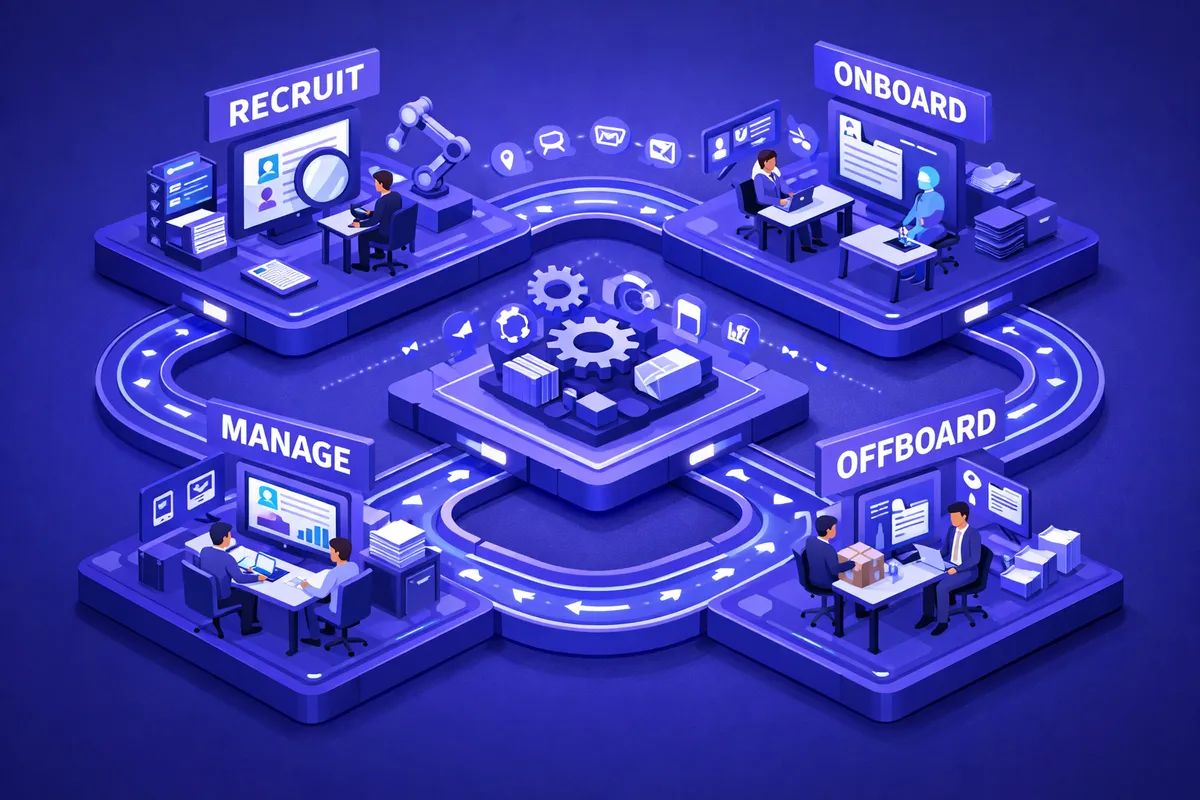
Old Town's hospitality employers need HR automation built for the operational reality of a multi-shift service business, not a standard office workflow. We begin with a discovery process that maps your complete HR workflow: how you post open positions, screen candidates, extend offers, onboard new hires, manage scheduling, track time and attendance, process tipped-wage payroll, and handle separations. The goal is to understand your actual operation before recommending any automation, because generic HR software configured without operational knowledge creates tools that staff does not use.
Tipped-wage compliance is typically the first automation priority. We integrate with your payroll system and configure automated tip credit calculations, minimum wage gap detection, and per-period compliance documentation. For Old Town restaurants and bars, this alone justifies the implementation cost by eliminating the manual calculation burden and reducing regulatory exposure.
Onboarding automation is the second major build component. Pre-boarding workflows that collect new hire documents, route I-9 verification, deliver policy acknowledgments, and provision scheduling system access before the first day compress a process that typically takes a week of administrative back-and-forth into a workflow that completes automatically. For a Wells Street bar hiring three new employees per month, the cumulative time savings are significant.
Industries We Serve in Old Town
Restaurants and Full-Service Dining: Old Town dining destinations employ kitchen, service, and bar staff with shift scheduling complexity, tip documentation requirements, and high turnover that generates constant onboarding volume. Automation handles compliance tracking, onboarding, and scheduling integration so owners spend less time on administration and more time on the kitchen and floor.
Comedy Clubs and Entertainment Venues: Second City and other entertainment venues near Wells Street and North Avenue manage performers, crew, box office staff, and bar service employees with variable scheduling, event-based hiring surges, and compliance obligations that apply across multiple workforce types. Automation handles the scheduling and compliance workflows that manual administration handles inconsistently at volume.
Bars and Nightlife Operators: The concentrated nightlife along Wells Street and Sedgwick Street employs bar staff, security, and management with late-night scheduling, overtime tracking, and tipped-wage compliance requirements. Automated scheduling and payroll integration reduces the manual calculation burden and creates documentation that supports regulatory compliance.
Boutique Retail and Specialty Shops: Old Town's independent retail along Wells Street employs part-time and full-time staff with seasonal fluctuation, flexible scheduling needs, and Chicago paid sick leave compliance requirements. Automated onboarding and compliance tracking handles these obligations without adding administrative burden to owner-operators.
Medical and Dental Practices: Medical and dental offices near the Old Town Triangle employ clinical and administrative staff with credential tracking, benefits enrollment, and HIPAA training documentation requirements. Automation manages these compliance workflows systematically, tracking deadlines and recording completions without manual follow-up.
Real Estate and Interior Design Firms: Boutique real estate offices and interior design studios in Old Town employ licensed agents, project staff, and administrative roles with onboarding, offboarding, and license tracking needs that run continuously. Automated workflows handle these transitions without requiring manual administrative intervention at each step.
What to Expect Working With Us
1. Discovery and Compliance Mapping: We document every HR and compliance workflow your business currently manages, with specific attention to tipped-wage compliance, scheduling practices, and Chicago ordinance requirements. Old Town hospitality employers consistently identify tipped-wage compliance, onboarding bottlenecks, and scheduling automation as the three highest-priority areas for improvement.
2. Design and Configuration: We configure automation aligned to your workforce structure, including tipped and non-tipped workforce segments, scheduling rules, and compliance tracking requirements. For multi-shift operations on Wells Street, we build scheduling automation that connects availability data, role requirements, and labor cost targets into a workflow that reduces manual scheduling time significantly.
3. Integration and Build: We connect HR automation to your payroll platform, scheduling software, and POS system where integration is available. Common integrations for Old Town hospitality businesses include Toast, Homebase, ADP Run, and Gusto. Data flows between systems without manual re-entry, which is where most payroll and compliance errors originate.
4. Launch and Training: Your management team receives hands-on training before go-live. We provide 30 days of post-launch support and documentation for routine operations. The engagement does not close until the workflows are running reliably across all shifts.