How We Build ERP Integration for Old Town
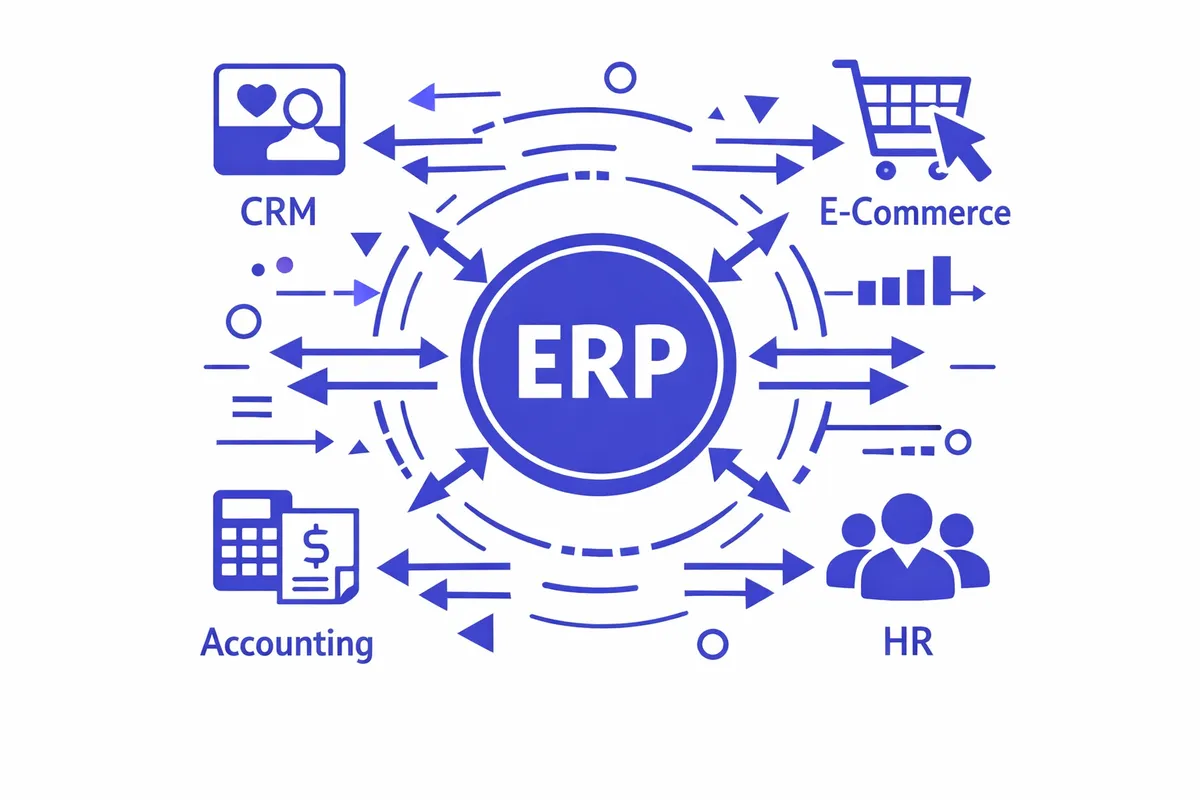
Every Old Town engagement begins with a systems inventory: cataloging every platform the business runs, identifying the manual reconciliation work the team currently does, and mapping the integration gaps that create the most operational cost. For entertainment businesses, this inventory maps each revenue stream, its current system of record, and what the consolidated revenue picture requires to look like in the accounting system.
Integration architecture for Old Town's entertainment businesses is built around event-level revenue tracking: every revenue stream, from ticket sales to bar service to merchandise to private events, is linked to the event or booking record that generated it. Cost data from production, staffing, and performer fees is linked to the same record. The integration produces event-level P&L reporting automatically from data that currently requires post-event manual assembly.
For Old Town's retailers, integration architecture focuses on the Shopify-to-Square-to-QuickBooks data flow that eliminates monthly reconciliation. For professional practices, it focuses on the project management-to-time tracking-to-billing connection that prevents billable hour leakage.
Industries We Serve in Old Town
Comedy Clubs and Live Entertainment Venues: Comedy clubs and live music venues on Wells Street and North Avenue managing ticketing, bar POS, merchandise, and private event bookings as separate systems need integration that consolidates all revenue streams by event, tracks event-level costs against event revenue, and produces accurate per-show P&L without manual data assembly after each performance.
Boutique Retailers: Wells Street boutiques running Shopify for online sales and Square for in-store transactions, with accounting in QuickBooks, need integration that synchronizes sales data from both channels into a unified accounting record automatically, eliminating the monthly reconciliation session that currently costs owner time and produces unreliable financial data.
Independent Restaurants and Bars: Restaurants and bars along Wells Street and Sedgwick Street running POS, reservation management, and accounting as separate systems need integration that consolidates daily revenue and cost data into accounting without manual export, and connects labor scheduling data to payroll without manual timesheet compilation.
Professional Services Offices: Professional practices on LaSalle Drive managing billable work through project management software and invoicing through billing platforms need integration that connects time entries to invoicing automatically, ensures no billable item falls between the two systems, and synchronizes client data across project management and CRM without manual updating.
Interior Design and Creative Studios: Interior design firms and creative studios near Old Town Triangle managing client project scopes, procurement, and billing across separate platforms need integration that tracks all project costs against client contracts in real time and generates accurate client billing from project records rather than manual compilation.
Medical and Dental Practices: Medical and dental practices along Eugenie Street and North Avenue managing patient billing, insurance claims, supply procurement, and practice financials need integration that synchronizes patient records across scheduling, clinical, and billing systems, automates insurance claim submission from clinical records, and connects supply purchasing to practice financial reporting.
What to Expect Working With Us
1. Systems Inventory. We catalog every platform your business runs, map the manual reconciliation work your team currently does, and identify the integration gaps creating the most operational cost. For Old Town entertainment businesses, this typically reveals that post-event revenue reconciliation is the highest-cost manual process and becomes the first integration priority.
2. Integration Architecture. We design the data flow connections, source-of-truth assignments, and transformation logic for each integration point. For entertainment venues with event-centric revenue, we design the event record structure that ties all revenue streams together before any development begins.
3. Phased Implementation. The highest-impact integration connection goes live first. For entertainment venues, that is typically the ticketing-to-POS-to-accounting consolidation. For retailers, it is the Shopify and Square to QuickBooks connection. Each phase is tested against real transaction data before going live.
4. Monitoring and Support. Post-launch monitoring tracks data flow health and identifies synchronization failures before they create operational problems. For entertainment businesses with high weekend transaction volumes, monitoring is designed to catch failures before they affect Monday morning financial reporting.