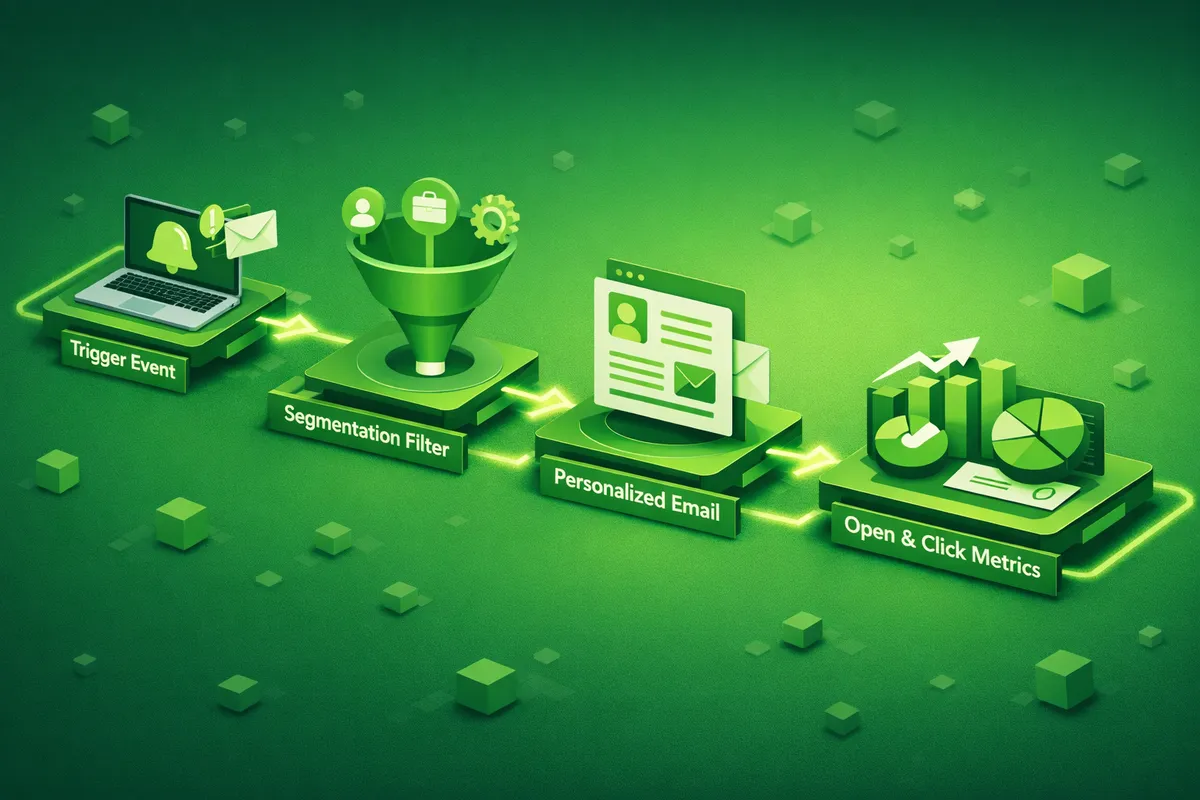
How We Build Email Marketing for Old Town
Email program development begins with the list audit and segmentation design. We review your current subscriber list, assess engagement levels, and design the segmentation architecture that drives differentiated communication. Most Old Town businesses have lists with three to five meaningful segments: recent active buyers, loyal long-term subscribers, lapsed subscribers who have not engaged in 90 days, and new subscribers in their first 30 days. Each segment receives a communication strategy calibrated to their relationship status rather than a single broadcast strategy applied uniformly.
From the segmentation design, we build the communication calendar. For entertainment venues, the calendar organizes around the show schedule: announcement timing, countdown sequences, and post-show follow-up tied to specific performances at venues along Wells Street. For restaurants, the calendar balances show-night coordination opportunities, seasonal menu announcements, and the community touchpoints that maintain relationships with neighborhood regulars near Moody Church and St. Michael's Church. For boutiques, the calendar aligns with buying cycles, seasonal arrivals, and the purchase anniversaries that acknowledge long-term customer relationships.
Content strategy defines the voice and substance of each email type. Old Town's audience is sophisticated and values genuine communication over promotional formulas. Comedy venue emails with personality reflecting the venue's own humor perform better than generic event newsletters. Restaurant emails sharing a specific story about a dish or a sourcing relationship perform better than promotional menus with discount codes. Boutique emails explaining the story behind a new artisan's work perform better than product announcements with prices. The content strategy establishes the specific editorial voice and approach that builds relationship over time rather than broadcasting at a list until it burns out.
Industries We Serve in Old Town
Comedy clubs and performance venues on Wells Street build email programs around the show calendar with audience segmentation that distinguishes loyal regulars from occasional visitors and lapsed subscribers. New show announcements reach each segment with messaging calibrated to their history with the venue. Countdown sequences for high-demand performances create urgency for subscribers who have not yet purchased tickets. Post-show follow-up sequences cultivate the relationship that converts one-time attendees into regulars. Improv class and workshop program emails reach the segment of the list most likely to enroll, not the full list.
Restaurants and bars along Wells Street and North Avenue build email programs that coordinate with Old Town's entertainment calendar, celebrate the neighborhood's seasonal patterns, and sustain the relationships that define regular neighborhood dining. Pre-show dining emails reach subscribers when nearby venues announce new shows. Seasonal menu launch emails share the story behind new dishes and sourcing decisions. Community emails recognize the events that bring Old Town together: the Art Fair each June, the holiday season on Wells Street, summer patio openings. Communication that feels like a neighbor's message rather than a promotion retains the residential loyalty that sustains neighborhood restaurants through slow seasons.
Boutiques and specialty retailers in the Old Town Triangle and on Wells Street build email programs around product arrivals, maker stories, and the seasonal patterns that shape artisan retail. New arrival emails for loyal customers who have previously bought from a specific category or artisan arrive before general list announcements, honoring the relationship. Gift guide emails for key occasions are specific rather than generic, reflecting knowledge of what past buyers have purchased. Purchase anniversary emails acknowledge long-term customer relationships. The email program communicates that the boutique knows who its customers are.
Wellness studios and fitness businesses near Sedgwick Street build email programs that maintain the relationship between sessions, re-engage lapsing clients, and welcome new students into the studio community. Class schedule emails for enrolled students include scheduling guidance specific to their history and attendance patterns. Workshop announcement emails for students who have shown interest in advanced programming target appropriate segments rather than the full list. Lapsed client re-engagement emails acknowledge the time that has passed and offer a genuine return path without pressure tactics.
Therapists and professional service practices in the Old Town Triangle build email programs around thought leadership content that provides value between sessions and demonstrates expertise to prospective clients. Newsletter content addressing common questions or seasonal challenges relevant to the practitioner's specialty builds credibility. Appointment reminder and preparation sequences reduce no-shows and prepare clients for more productive sessions. Referral cultivation emails, timed around positive engagement signals, develop the professional network that drives new client acquisition in Old Town's word-of-mouth-driven professional services market.
Event spaces and private event coordinators within Old Town's entertainment corridor build email programs that maintain visibility with past clients, develop prospective clients, and capture seasonal demand for event space. Past client re-engagement emails arrive before peak booking seasons, typically late September through October for the holiday event calendar and late February for spring and summer events. Prospective client nurture sequences deliver venue information, testimonials, and event inspiration over the consideration window that private event decisions require.
What to Expect Working With Us
1. List audit and segmentation architecture. We assess your current subscriber list health, engagement rates, and list growth patterns, then design the segmentation architecture that differentiates communication based on subscriber behavior and relationship history with your Old Town business.
2. Content strategy and calendar development. We develop the communication calendar calibrated to your seasonal patterns and the entertainment rhythms of Wells Street, along with the editorial voice that builds subscriber relationships rather than eroding trust through undifferentiated promotion.
3. Template design and technical configuration. We design email templates that reflect your brand consistently across all sends, configure the automation platform with segmentation rules and behavioral triggers, and set up performance tracking that measures outcomes relevant to your specific business type.
4. Ongoing management and optimization. We manage monthly execution of the email program, including content creation and editing for regular sends, performance analysis that feeds back into content and timing decisions, and list health maintenance that keeps your subscriber base engaged and deliverable over time.