How We Build Data Analytics and AI for Old Town
Analytics implementation begins with the business question inventory. We document the specific decisions that better data would improve: staffing decisions, pricing decisions, programming decisions, marketing investment decisions, merchandise buying decisions. The business question inventory determines what data is required and what analysis structure will produce useful answers.
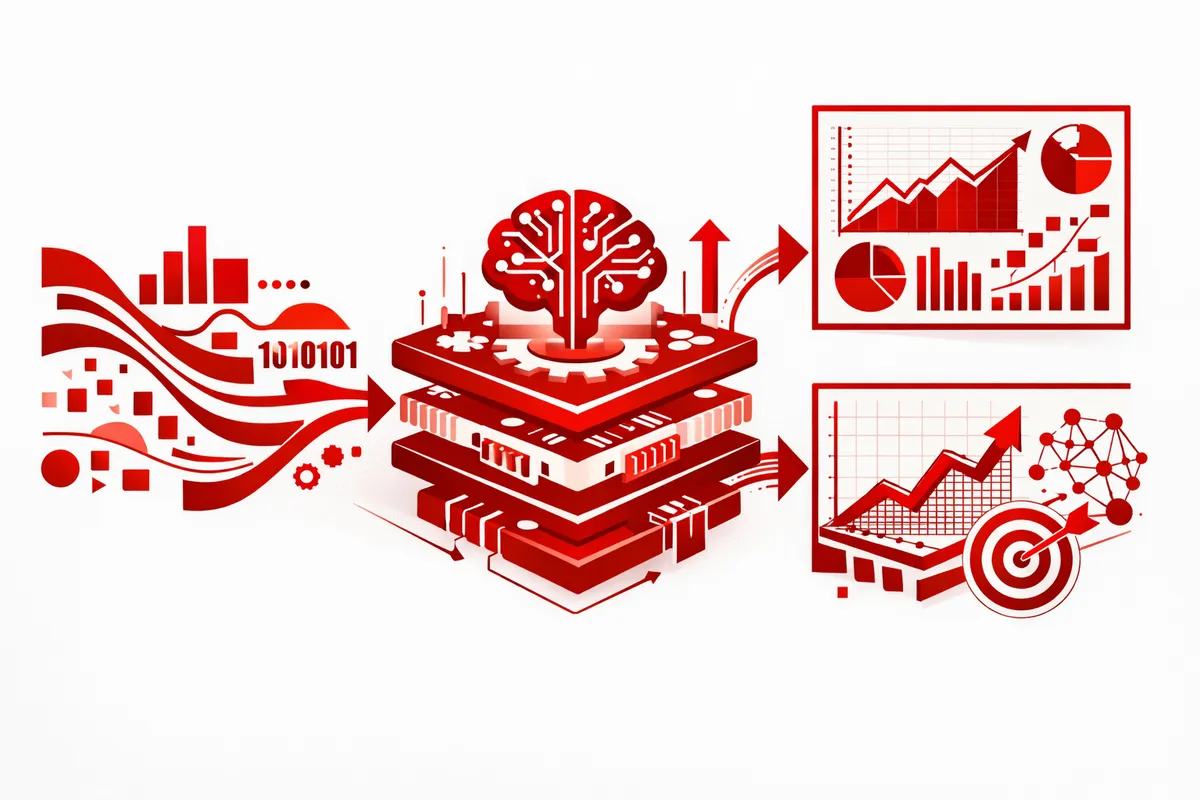
From the inventory, we design the analytics architecture. We identify the data sources that contain the relevant information, design the integration that connects them into a unified analytical environment, and build the analysis structures that answer the specific business questions. For Old Town entertainment venues, this typically means integrating ticketing data, email campaign data, and attendance records into a show-level analysis environment. For restaurants, it means integrating reservation data, POS data, and loyalty program data into a service-period analysis environment.
AI layer development adds predictive and pattern-recognition capabilities to the analytical foundation. Demand forecasting models predict cover counts and ticket sales based on historical patterns and current leading indicators. Audience segmentation models identify behavioral clusters that respond differently to programming and marketing inputs. Churn prediction models identify at-risk customers before they lapse. These AI capabilities are built on the analytical foundation rather than as standalone tools, ensuring that predictions are grounded in the specific data from your Old Town business.
Industries We Serve in Old Town
Comedy clubs and performance venues on Wells Street require show-level analytics that connect programming decisions to audience and revenue outcomes. Show format performance analysis identifies which comedy styles produce the highest advance sales, largest audiences, and strongest repeat visit rates. Audience acquisition analysis reveals which marketing channels drive first ticket purchases and which produce return visitors. Pricing analysis identifies the optimal advance versus door pricing split that maximizes revenue without suppressing demand. AI forecasting predicts advance sales trajectories for new shows based on comparable historical performance.
Restaurants and bars along Wells Street and North Avenue require service-period analytics that reveal the specific patterns driving business performance in an entertainment-correlated environment. Pre-show versus post-show versus non-show-night per-cover revenue analysis quantifies the show-night premium. Customer segment analysis distinguishes neighborhood regulars from pre-show diners from weekend destination diners and identifies the revenue contribution and return probability of each segment. Menu mix analysis identifies the items that drive the highest margin and the highest return visit rates. AI demand forecasting integrates show calendar data to predict cover counts by service period.
Boutiques and specialty retailers in the Old Town Triangle and on Wells Street require item-level and customer-level analytics that standard retail reporting tools do not produce. Product performance analysis identifies the items that drive repeat visits, the items that sell in concert with other items, and the items that attract the highest-lifetime-value customers. Customer acquisition channel analysis reveals which channels produce walk-in converts versus online shoppers. Seasonal sell-through analysis by product category informs buying decisions for the next season. AI inventory forecasting predicts depletion rates for items with variable reorder cadences.
Wellness studios and fitness businesses near Sedgwick Street require class and client analytics that connect programming decisions to enrollment and retention outcomes. Class format performance analysis identifies which class types retain students longest and produce the highest revenue per client-year. Instructor-level retention analysis reveals whether client retention varies significantly by instructor. Pricing tier analysis identifies which membership structures attract the most valuable client segments. AI churn prediction identifies clients showing early signs of reduced engagement before they cancel.
Professional services firms in the Old Town Triangle require client and revenue analytics that connect service mix decisions to profitability and growth outcomes. Service category margin analysis identifies which services produce the highest net revenue per hour of professional time. Client acquisition source analysis reveals which referral sources produce the highest-value and most loyal clients. Retention analysis identifies the client behaviors that predict long-term engagement versus early termination.
Event spaces and private coordinators within Old Town's entertainment corridor require event-level analytics that connect booking, execution, and revenue outcomes. Event type revenue analysis identifies which events produce the highest per-event and per-guest revenue. Booking lead time analysis reveals the optimal advance booking window for each event type. Client satisfaction analytics connect event execution variables to repeat booking and referral rates.
What to Expect Working With Us
1. Business question inventory and analytics design. We document the specific decisions that better data would improve, design the analytics architecture that answers those questions, and produce an implementation plan that sequences the work from the highest-impact analytics to the more complex AI capabilities.
2. Data integration and pipeline development. We build the integrations that connect your data sources into a unified analytical environment, develop the pipelines that move data reliably between systems, and establish the data quality monitoring that ensures analytical results are accurate.
3. Dashboard and reporting configuration. We build the reporting interface that presents analytics in the format most useful for your specific decisions. Operational dashboards for daily decisions. Strategic reports for monthly planning. Exception alerts for situations that warrant immediate attention.
4. AI model development and deployment. Predictive analytics require AI models trained on your specific historical data. We develop, train, evaluate, and deploy models for the prediction objectives that your analytics program identifies as highest-priority. Models are integrated into the dashboard environment so that predictions are available alongside historical analysis.