How We Build Customer Portals for Old Town
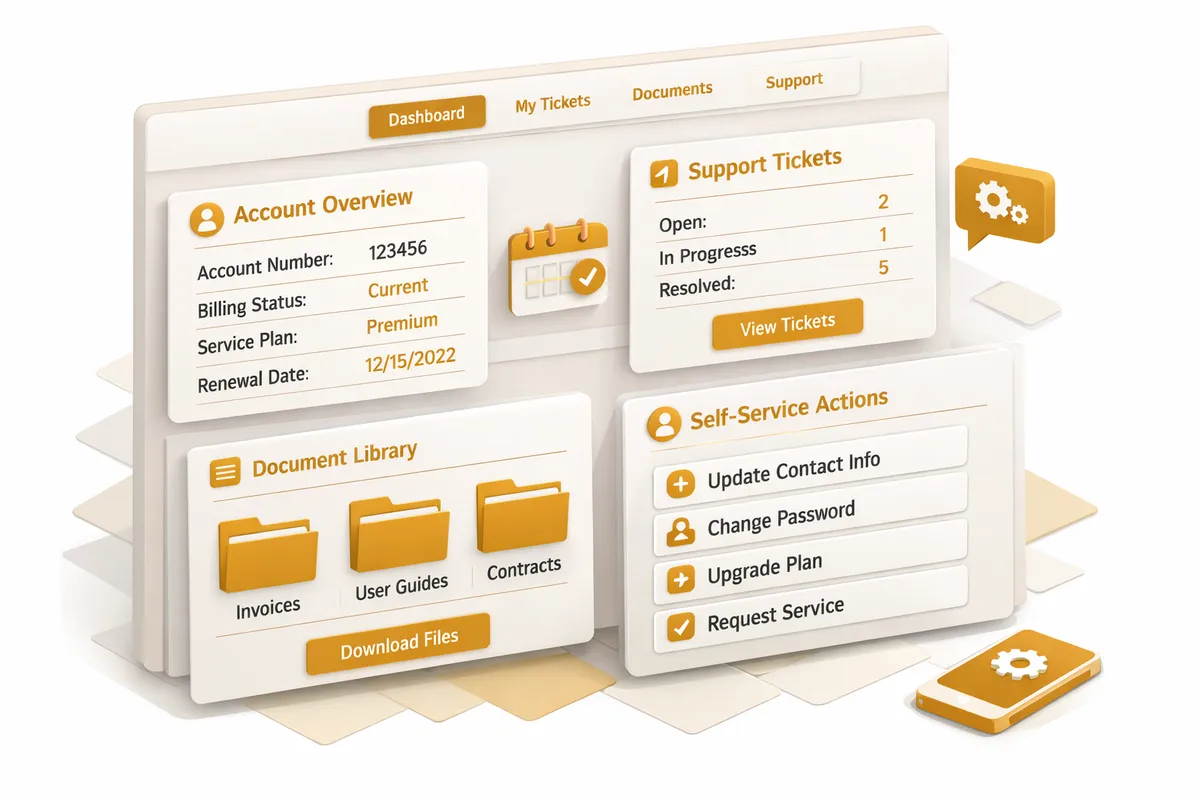
Old Town portal design begins with the specific customer relationship the business is managing. A Wells Street comedy venue managing a subscriber base has a different portal architecture than a Sedgwick Street restaurant managing a reservation history and loyalty program. We do not start with a template. We start with the customer lifecycle.
For entertainment venues, the core portal functions typically include reservation and ticket management, seat exchange workflows, upcoming event previews with purchase access, membership or subscription status, and communication history. For venues that host private events, a portal can extend to event inquiry, booking status, and post-event documentation.
For restaurants and hospitality businesses near Eugenie Street, portal functions center on reservation history, loyalty program balance and redemption, personal preference documentation, and private event inquiry. A restaurant whose regulars trust it with event planning benefits from a portal that allows the guest to initiate an event inquiry, track its status, review proposals, and confirm without a back-and-forth phone sequence.
For boutique retail businesses, portals provide order history, current order tracking, wishlist management, new arrival alerts scoped to the client's stated preferences, and styling appointment scheduling. A boutique client who can access their full purchase history and schedule an appointment with their preferred stylist without phoning the store is a more engaged client, not a less personal one.
We design every Old Town portal with the neighborhood's aesthetic in mind. The historic brick character of the Old Town Triangle and the warmth of its independent businesses is not served by a cold, functional portal interface. We build interfaces that extend the feel of the business into the digital touchpoint.
Authentication and data security are standard: every portal is built with secure login, access controls, and data handling that meets current standards for consumer-facing applications.
Industries We Serve in Old Town
Comedy clubs and performance venues on Wells Street build subscriber and ticket management portals that give season pass holders full control over their reservations, exchange requests, and account history. For venues that manage student, senior, and group membership tiers, the portal provides each member with a view of their specific benefits and usage without requiring staff to look up account details on request.
Full-service restaurants and private dining rooms near North Avenue use portals to manage reservation history, loyalty program accounts, and private event inquiries. A restaurant whose regulars use the portal to book their anniversary table, check their loyalty credit balance, and request a private dining quote reduces the phone and email volume from its highest-value guests while actually improving the quality of service those guests experience.
Live music venues and cultural event spaces near LaSalle Drive manage ticket history, mailing list preferences, and presale access through member portals. For venues that offer artist presale access or loyalty early-entry benefits, a portal that gates those benefits by account status replaces a fragmented email list with a structured membership benefit that the venue can measure and the member can use.
Boutique retail and specialty goods shops in the Old Town Triangle use portals for order history, new arrival notifications, and appointment scheduling. A boutique whose clients shop by category preference and expect first access to new inventory can use portal notification settings to deliver that experience at scale without a staff member manually managing a phone list.
Interior design and home goods showrooms near Sedgwick Street use portals to manage project estimates, order status for custom or lead-time items, and client communication history. A designer whose clients are Old Town homeowners managing renovation projects benefits from a portal that surfaces the complete project record and documents every selection and order.
Event planning and hospitality services based in Old Town use portals to manage client inquiries, proposal access, event timeline documentation, vendor coordination status, and post-event wrap-up. A planner managing multiple concurrent events across the Near North Side can use the portal to give each client a real-time view of their event's progress without conducting weekly status calls.
What to Expect Working With Us
1. Customer journey mapping and self-service scope design. We document every routine interaction between your business and your customers and identify which of those interactions are candidates for self-service. For Old Town businesses with loyal, returning customer bases, this mapping typically reveals a significant volume of requests that could be self-served without any loss of relationship quality.
2. Interface design that fits the feel of your business. We design portal interfaces that reflect the warmth and character of Old Town's independent business community. For entertainment venues and restaurants, the portal's visual tone matters to the guest experience. We prototype the interface and show it to your team before building.
3. Membership and ticketing workflow configuration. For venues managing subscriber or membership programs, we build the specific exchange, renewal, and benefit access workflows your program requires, with the rules and exceptions your team defines.
4. Pilot launch with your existing loyal customers. We launch first with a small group of your most engaged customers, gather feedback, and refine before opening to your full customer base. Loyal customers make the best pilot testers because they already understand what they want from the relationship and will tell you directly when the portal delivers it.