How We Build Custom AI Solutions for Old Town
Custom development begins with the problem definition. We spend time understanding the specific operational challenge, the data sources available to address it, the constraints that commercial tools cannot satisfy, and the outcomes that a successful custom solution would produce. Most Old Town businesses come to custom development after experiencing the specific limitations of commercial tools rather than as a starting point. The problem definition phase validates that the custom approach is warranted and scopes the development appropriately.
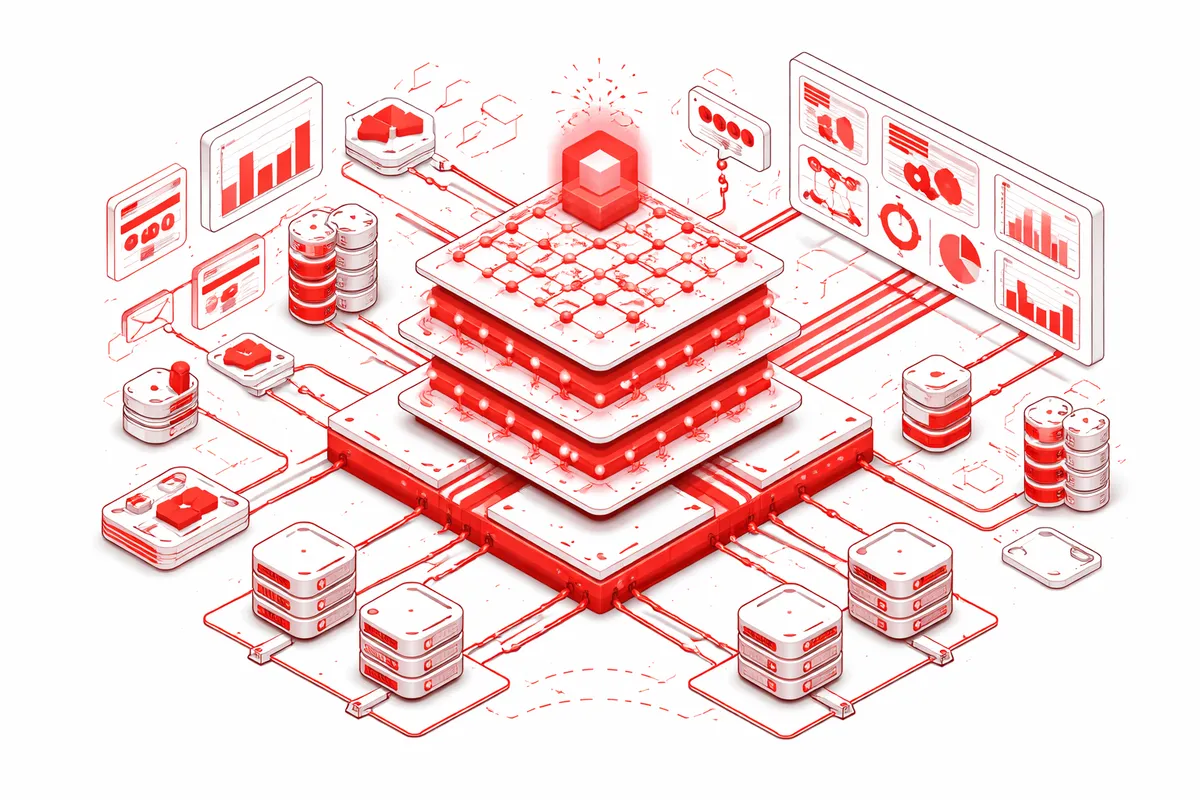
From the problem definition, we design the solution architecture. For most Old Town custom AI projects, the architecture combines several components: a data integration layer that connects the business's existing systems, an AI processing layer that performs the specific analysis or generation the business needs, and a user interface or API that delivers the solution's output in a usable format. Architecture decisions reflect the business's technical environment, the performance requirements of the solution, and the ongoing maintenance capacity available.
Development follows iterative cycles that produce testable versions of the solution at each stage. Early versions validate the core approach against real business data before building the full feature set. Iteration based on real-world testing produces a solution calibrated to actual operating conditions rather than development-environment assumptions. Old Town businesses that engage in custom development are involved throughout the process rather than receiving a finished product at the end of a long development cycle.
Industries We Serve in Old Town
Comedy clubs and performance venues on Wells Street have audience development and show programming challenges that justify custom AI development. Audience segmentation models trained on ticket purchase history that capture the specific preferences of Old Town comedy audiences, not generic entertainment consumers. Show performance prediction models trained on advance sales data and historical attendance patterns from this venue's specific show history. Pre-show dining coordination tools that integrate with neighboring restaurant reservation systems to offer combined packages. These are solutions that commercial tools do not provide and that custom development makes possible.
Restaurants and bars along Wells Street and North Avenue have pre-show coordination, staffing optimization, and customer loyalty challenges whose specific requirements exceed commercial tool capabilities. Custom demand forecasting models trained on the restaurant's specific relationship between neighboring show schedules and cover counts. Custom loyalty tools that recognize the pre-show dining pattern as a distinct customer behavior and reward it appropriately. Custom kitchen communication tools that translate reservation data into kitchen prep guidance calibrated to the specific service patterns of this restaurant.
Boutiques and specialty retailers in the Old Town Triangle and on Wells Street have curation, recommendation, and inventory challenges whose aesthetic dimension makes commercial AI tools inadequate. Custom recommendation systems trained to understand the aesthetic relationships between goods in the boutique's catalog rather than transaction correlation alone. Custom inventory forecasting models calibrated to the specific reorder patterns of handmade and artisan goods with variable lead times. Custom client communication tools that reflect the boutique's specific curatorial voice.
Therapists and professional services in the Old Town Triangle have documentation, scheduling, and client communication needs whose confidentiality and professional licensing requirements exclude most commercial AI tools. Custom documentation assistance tools deployed in compliant infrastructure with appropriate data handling agreements. Custom scheduling tools that implement the specific policies and client management approaches of individual practitioners rather than generic practice management defaults. These solutions address genuine professional needs that commercial tools cannot safely serve.
Real estate professionals working in Old Town's historically significant residential market have property description, client matching, and market analysis needs specific to this neighborhood. Custom property description tools trained on Old Town's architectural vocabulary and the specific attributes that drive value in the Old Town Triangle and surrounding residential blocks. Custom client matching tools trained on the specific buyer and renter profiles that transact in this market.
Event spaces and private event coordinators within Old Town's entertainment corridor have inquiry management, pricing optimization, and event logistics coordination needs that commercial event management tools partially address. Custom inquiry qualification tools trained to recognize the event types and client profiles that convert to bookings for this specific venue. Custom pricing optimization tools calibrated to this venue's specific capacity constraints, seasonal demand patterns, and competitive positioning.
What to Expect Working With Us
1. Problem definition and commercial alternative assessment. Before recommending custom development, we assess whether the problem can be adequately solved with commercial tools configured appropriately. Custom development is warranted when commercial alternatives genuinely cannot address the specific requirement. We are transparent about this assessment.
2. Solution architecture and development roadmap. We design the technical architecture that addresses the specific problem, estimate development effort and timeline, and produce a roadmap that sequences development in stages that deliver testable value before the full solution is complete.
3. Iterative development and testing. Development follows iterative cycles with business involvement at each stage. Testing uses real data from your Old Town business rather than synthetic examples that may not reflect actual operating conditions. Each iteration produces a version that is closer to the final solution and that validates or revises the assumptions in the architecture.
4. Deployment, documentation, and ongoing support. Deployed solutions include technical documentation that enables future maintenance and modification. Ongoing support agreements provide access to the development team for issues that arise in production and for the enhancements that operational experience reveals as valuable.