How We Build Conversion Optimization for Old Town
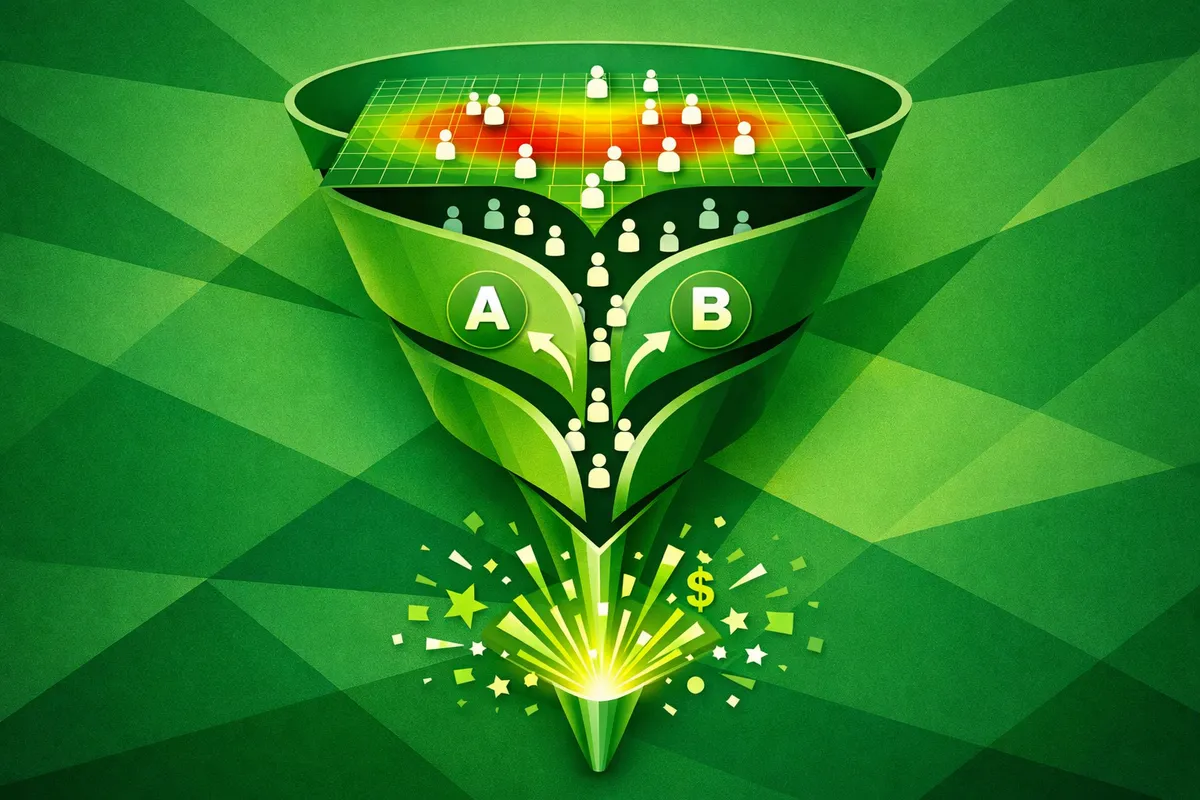
Conversion optimization begins with the conversion audit. We install tracking tools that measure where website visitors go, how long they stay, where they exit, and what actions they take. Heatmap tools show where visitors click and scroll. Session recording tools show actual visitor navigation paths. Exit surveys capture the reasons visitors leave without converting. The audit produces a specific diagnosis of conversion failures rather than a general critique of the website.
From the audit, we build the optimization hypothesis: specific changes predicted to improve conversion rates based on the evidence collected. For a comedy venue website, the hypothesis might include: simplifying the show calendar navigation, adding social proof in the form of audience reaction quotes to each show page, reducing the ticket purchase flow from four steps to two, and adding urgency indicators when shows have limited availability. Each hypothesis is specific and testable.
Testing validates hypotheses before committing to permanent changes. A/B testing shows different versions of changed pages to randomly selected visitors and measures which version converts better. Statistical significance requirements ensure that winning variants actually outperform controls rather than appearing to win due to random variation. Testing discipline prevents well-intentioned changes that actually harm conversion from becoming permanent.
Industries We Serve in Old Town
Comedy clubs and performance venues on Wells Street have websites whose primary conversion goal is ticket purchase. Conversion optimization for entertainment venues targets every friction point in the path from show discovery to ticket confirmation: the show calendar's navigation, the show detail page's presentation of the show's character and social proof, the ticket selection flow's clarity and speed, and the confirmation experience's ability to set expectations and build excitement for the show. Secondary conversion goals, group booking inquiries and mailing list signup, receive optimization attention proportional to their revenue contribution.
Restaurants and bars along Wells Street and North Avenue have websites whose primary conversion goals are reservation placement and phone calls. Conversion optimization targets the reservation flow on the website and through integrated reservation platforms. Friction points that lose potential diners before they complete reservations, including unclear availability presentation, excessive form fields, and slow reservation platform loading times, are identified and fixed. Menu pages that drive reservation completion receive particular attention, as they are often the last page a potential diner visits before either reserving or leaving.
Boutiques and specialty retailers in the Old Town Triangle and on Wells Street have websites that serve both as direct e-commerce platforms and as decision-making tools for customers who will then visit in person. Conversion optimization for boutiques addresses both goals. E-commerce product pages receive optimization targeting add-to-cart and checkout completion rates. Brand and collection pages receive optimization targeting in-store visit intent, measured by direction clicks, phone calls, and social media follows.
Wellness studios and fitness businesses near Sedgwick Street have websites whose primary conversion goals are class enrollment and trial class signup. Conversion optimization targets the enrollment flow, the class schedule presentation, and the new client information pages that answer the questions that determine whether a potential new student completes or abandons the enrollment process. Pricing page optimization ensures that pricing is presented with context that makes the value clear rather than requiring the visitor to evaluate raw numbers without a framework.
Therapists and professional service providers in the Old Town Triangle have websites whose conversion goal is contact initiation: a phone call, a contact form submission, or a direct booking for an initial consultation. Conversion optimization for professional service websites targets the trust signals, the specific language on service and approach pages, the contact process friction, and the mobile usability that determines whether a prospective client who has spent time reading about a therapist's approach actually takes the step of reaching out.
Event spaces and private event coordinators within Old Town's entertainment corridor have websites whose conversion goal is inquiry submission. Conversion optimization targets the inquiry form itself, the event gallery and testimonial presentation that builds confidence before a prospective client submits an inquiry, and the response time expectations that determine whether submitted inquiries convert to site visits and bookings.
What to Expect Working With Us
1. Conversion audit and friction diagnosis. We install tracking, analyze visitor behavior data, and produce a specific diagnosis of the conversion barriers preventing your Old Town business from converting a higher percentage of website visitors into customers. The diagnosis is specific to your site and your visitors, not a generic checklist.
2. Optimization hypothesis and testing plan. We develop a prioritized set of specific changes predicted to improve conversion rates, design the A/B tests that will validate each hypothesis, and build the testing calendar that sequences changes in order of expected impact and implementation effort.
3. Test implementation and statistical validation. We implement tests using your website platform's testing infrastructure or dedicated A/B testing tools, monitor tests until statistical significance is achieved, and document winning and losing variants with the conversion rate evidence that supports each conclusion.
4. Winning variant deployment and monitoring. Validated improvements are deployed as permanent changes. Ongoing monitoring tracks conversion rates after deployment and flags any deterioration that warrants investigation. The optimization process continues as new hypotheses are developed from ongoing visitor behavior data.