How We Build Computer Vision Systems for Old Town
Visual environment assessment and use case definition. We begin by understanding the specific visual intelligence that would most improve your operational decisions. For a comedy venue, this typically means crowd density by zone, entry flow patterns, and behavioral anomaly detection for security. For a restaurant, it typically means occupancy by section, service flow analysis, and wait time monitoring. For a gallery, it typically means visitor engagement by installation, traffic flow through exhibition space, and attendance timing patterns. We design the computer vision system around the specific decisions your operational team needs better information to make.
Camera infrastructure assessment and enhancement. We assess your existing camera infrastructure: camera placement, resolution, field of view, and network connectivity. Most Old Town businesses have security cameras already installed. Computer vision systems can leverage existing infrastructure where placement and resolution are adequate, and we recommend targeted camera additions where existing placement doesn't cover the visual zones that matter most for your operational use cases.
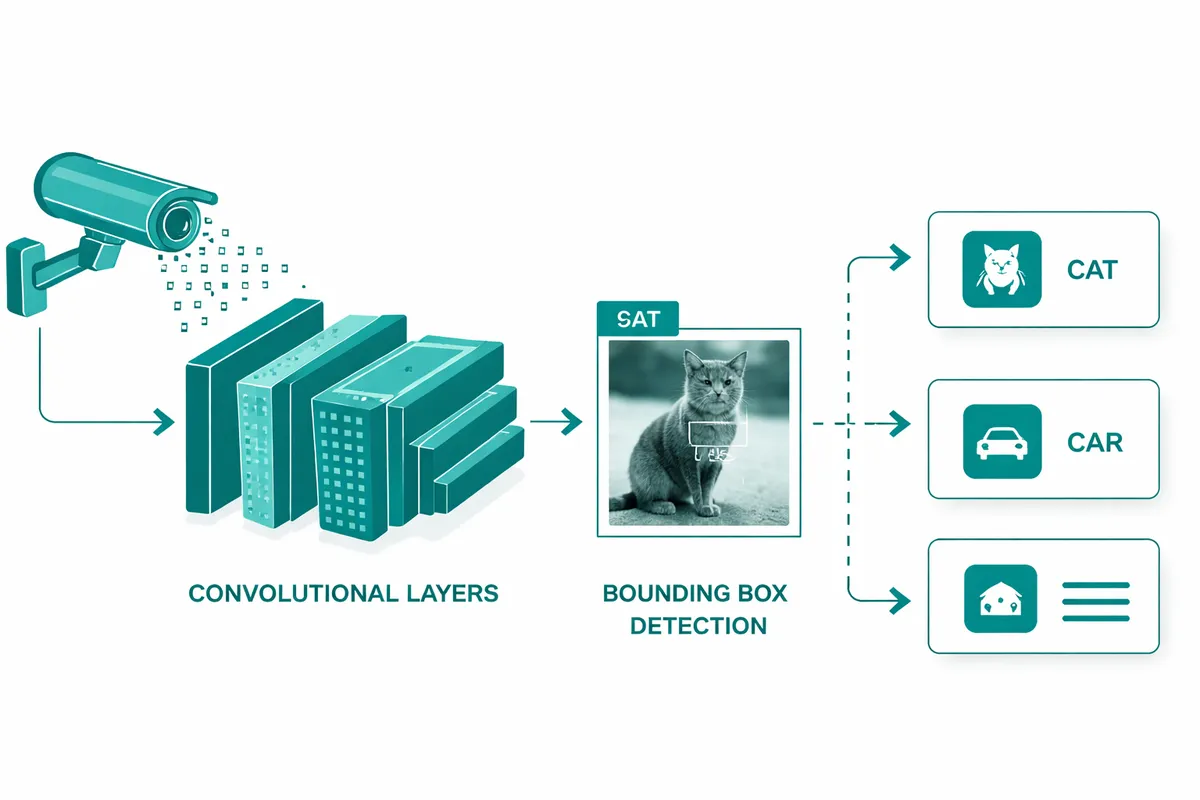
Model selection and environment-specific training. Computer vision models require training on the specific visual environments they'll analyze. A crowd density model trained on a comedy club interior with specific lighting and seating arrangements performs better than a generic model applied to the same environment. We select models appropriate to each use case and train them on examples from your specific visual environment before deployment.
Analytics integration and dashboard development. We build analytics dashboards that translate computer vision outputs into operational information your team can act on. A venue manager's dashboard showing real-time crowd density by zone, zone-level occupancy trends over the course of an evening, and flagged behavioral anomalies is more useful than access to raw camera feeds. We design dashboards for the operational role that will use each data type rather than building generic analytics displays.
Privacy-compliant implementation. Computer vision in hospitality and entertainment environments requires attention to applicable privacy laws and guest notification considerations. We advise on the privacy implications of specific applications and implement systems that achieve your operational objectives within applicable legal requirements, including Illinois's BIPA for any applications involving biometric identification.
Industries We Serve in Old Town
Comedy clubs and entertainment venues along Wells Street and in the Old Town entertainment corridor deploy computer vision for real-time crowd density monitoring by zone that supports dynamic seating assignment; security monitoring with behavioral anomaly detection during high-volume show nights; entry flow analysis that reveals peak arrival timing for staffing optimization; post-show exit flow monitoring for safety and staff positioning; and attendance verification for capacity management and regulatory compliance. Venue managers have situational awareness across the space rather than relying on individual staff observation.
Restaurants and bars throughout Old Town, the Old Town Triangle, and North Avenue deploy computer vision for section occupancy monitoring that enables real-time table management; service flow analysis that identifies bottleneck stations where additional staff attention would improve table turn efficiency; kitchen pass monitoring that detects where dishes are waiting longer than expected before service; wait area monitoring that provides accurate wait time data for host communication; and security monitoring for entrances and exterior spaces.
Art galleries and exhibition spaces near North Avenue and throughout Old Town deploy computer vision for visitor engagement analysis that tracks dwell time at each installation or artwork; traffic flow mapping through exhibition space that informs curation and spatial design decisions; peak attendance timing analysis for staffing and event scheduling; and crowd density monitoring for safety during opening receptions. Curators develop data-informed understanding of how visitors experience each exhibition rather than relying entirely on anecdotal observation.
Boutique retailers and specialty shops near Eugenie Street and the Old Town Triangle deploy computer vision for customer traffic pattern analysis that reveals which zones of the retail floor attract attention and which are bypassed; display engagement analysis that measures which merchandise presentations draw sustained attention; peak traffic timing analysis that informs staffing allocation; queue monitoring at checkout that supports additional register opening decisions; and security monitoring appropriate to the specific merchandise value.
Boutique hotels and hospitality venues adjacent to Lincoln Park and throughout Old Town deploy computer vision for lobby occupancy monitoring that informs front desk staffing; entry monitoring that provides real-time awareness of arrival patterns relative to check-in staffing; common area occupancy analysis that supports service deployment decisions; and security monitoring for entrances, parking areas, and common spaces that provides real-time awareness beyond periodic security rounds.
Event venues and private spaces along the Old Town entertainment corridor deploy computer vision for real-time event attendance and capacity monitoring; zone occupancy analysis that informs event staff deployment; catering station utilization monitoring that supports timing and restocking decisions; security monitoring appropriate to the event type and crowd size; and exit flow analysis that informs parking and transportation coordination.
What to Expect Working With Us
1. Environment assessment and use case prioritization. We assess your physical environment, existing camera infrastructure, and operational intelligence needs. We define the visual zones most important to monitor and prioritize use cases by operational value. This phase typically takes two to three weeks.
2. Infrastructure gap assessment and camera planning. We identify where existing cameras provide adequate coverage and where additional cameras are needed. We provide placement recommendations that optimize coverage without unnecessary infrastructure investment.
3. Model development and environment training. We select and train computer vision models on samples from your specific visual environment, calibrating detection parameters for your space's lighting, density, and movement patterns. Model development takes three to five weeks.
4. Dashboard development, integration, and deployment. We build operational dashboards for your management team's needs, integrate with existing management or security systems, and deploy to production with detection accuracy monitoring. We refine based on production experience in the first sixty days.