How We Build Business Websites for Old Town
Old Town business websites center on conversion. The user's goal is to decide whether to come in or book a reservation. Every design and content decision we make is oriented toward making that decision easy. For a restaurant, that means the menu is one tap from the homepage, the reservation link is impossible to miss on every device, and the hours are visible without scrolling. For a boutique, it means product categories are navigable, the store is locatable without a separate Google Maps search, and the atmosphere of the place is communicated through photography before the visit.
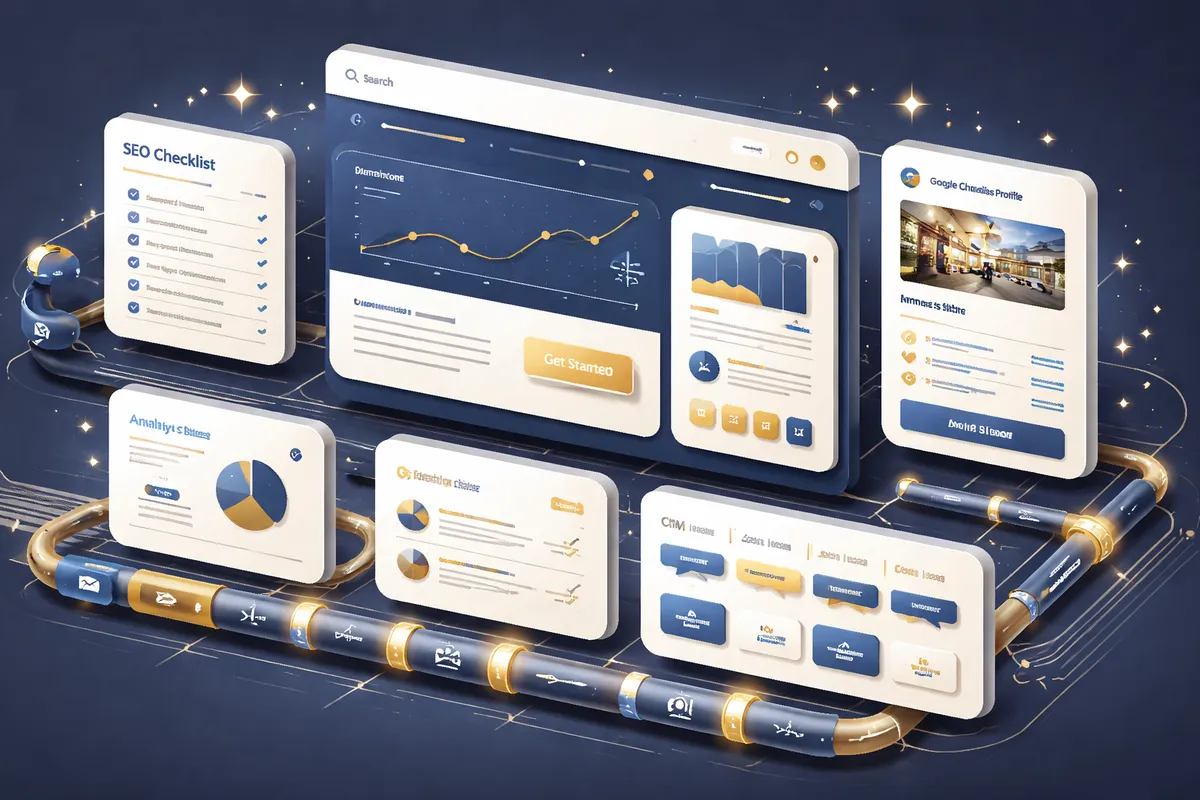
We start every engagement with an audit of how the business currently appears across the digital touchpoints that matter for Old Town: Google Business Profile, reservation platforms, event listing sites, and direct search. The website exists within an ecosystem. If the restaurant's hours in Google are wrong and the website says something different, both credibility and traffic suffer. We address the full ecosystem before we launch any new site.
For entertainment and hospitality businesses on the Wells Street corridor, the mobile experience is non-negotiable. The person deciding where to eat or what show to see is making that decision on their phone, often while walking. The website needs to load in under two seconds, display cleanly on a five-inch screen, and surface the action they need to take, whether a reservation, ticket purchase, or directions call, before they give up and choose something else.
Old Town businesses with strong community identities, like the neighborhood restaurants near Old Town Triangle or the boutiques with loyal neighborhood customer bases, benefit from websites that reinforce the community relationship while also converting the new visitor. The tone of the site needs to work for both: welcoming to the regular who feels ownership of the place, and compelling to the newcomer who is encountering it for the first time.
Industries We Serve in Old Town
Restaurants and bars along Wells Street need websites that lead with the menu and the reservation path, not the founding story. Beautiful food photography, a current and accurate menu that is searchable and mobile-friendly, direct reservation integration with OpenTable or Resy, and clear hours and location information are the foundation. The stories can follow, but they cannot precede the practical information that a hungry person in discovery mode needs to make a decision.
Comedy clubs and entertainment venues including the spaces around Second City and Zanies on Wells Street need websites that prioritize the event calendar and ticket purchase flow above everything else. A visitor arriving at an entertainment venue's website has one question: what is happening and how do I get tickets? The website that answers that question in under five seconds converts. The website that buries the event calendar below a history section loses the conversion.
Boutique retail shops on the Wells Street corridor and the side streets toward Sedgwick Street need product navigation, real photography of the shopping environment, and clear communication of what makes them worth a trip from outside the neighborhood. The Old Town boutique competing for citywide traffic needs to communicate its category, its selection philosophy, and its distinctiveness in a way that distinguishes it from the generic retailer that shows up first in search.
Interior design and home goods businesses in Old Town serve both neighborhood clients undertaking residential projects near the historic 19th-century brick homes and destination clients from across the North Side. A website that shows real project work, communicates the firm's aesthetic range, and facilitates the initial consultation inquiry works as both a neighborhood presence and a citywide marketing tool.
Medical and dental practices near LaSalle Drive and North Avenue serve the Old Town residential population and attract patients from neighboring Lincoln Park and River North. For healthcare practices, the website needs to communicate credentials and specialties clearly, facilitate appointment scheduling online, and provide the location and parking information that new patients need. Patient trust begins on the website before it begins in the office.
Real estate and property management firms serving Old Town's distinctive mix of 19th-century architecture and high-rise condos near Lincoln Park Zoo present properties to buyers and renters who have researched the neighborhood extensively before contacting an agent. A real estate firm website that communicates deep knowledge of Old Town's specific inventory, pricing patterns, and neighborhood character converts more inquiries than one that presents generic MLS listings.
What to Expect Working With Us
1. Discovery and digital ecosystem audit. We review the business's current website, its Google Business Profile, and its presence across the key platforms that drive Old Town foot traffic before we design anything. We document the gaps between what a potential visitor finds today and what they need to find to make the decision to visit or book. This audit drives the content and design priorities for the new site.
2. Content and photography planning. For Old Town hospitality and retail businesses, visual content is critical and often the bottleneck. We plan the content the site needs, identify what photography exists and what needs to be captured, and help coordinate a photography session if needed. We do not launch a restaurant site with stock food photography or a boutique site with product photos taken on a phone. The visual content needs to match the physical experience of the business.
3. Build with mobile as the primary design surface. We design for the phone first, then for desktop. For an Old Town entertainment or dining business whose website traffic is seventy to eighty percent mobile, the phone experience is the experience. Desktop is secondary. Every design decision is tested on a physical phone before it is approved.
4. Launch with reservation and booking systems integrated. For restaurants and entertainment venues, the reservation or ticketing integration is built and tested before launch. A beautiful website that breaks at the reservation click is worse than no reservation system at all. We test the full conversion path on multiple devices before the site goes live.