How We Build AI Search Optimization for Old Town
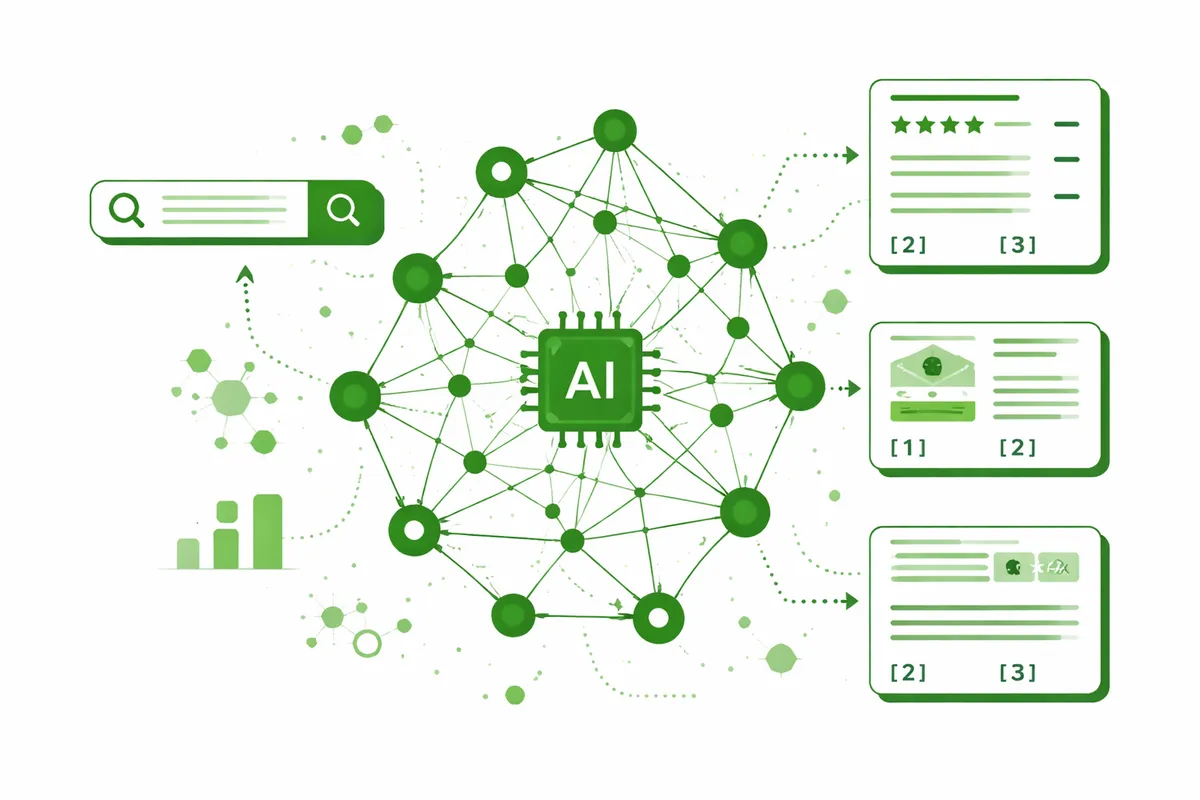
AI visibility assessment. We begin by evaluating how your business currently appears in AI-generated responses to queries where you should be present. We test representative queries across ChatGPT, Perplexity, Claude, and other AI systems and analyze what sources and information those systems draw from when they do include or exclude Old Town businesses in comparable categories. We identify the specific gaps between your current AI visibility and the visibility your business deserves based on its category and neighborhood authority.
Structured data and semantic content development. AI systems draw from structured information more reliably than from general web content. We implement schema markup that makes your business information machine-readable: business type, location, hours, price range, cuisine type for restaurants, entertainment category for venues, and product categories for retailers. We develop content that addresses the specific queries AI systems answer about businesses like yours: neighborhood context, distinctive attributes, what makes the experience specific, and the factual information AI systems need to confidently recommend your business.
Authority and citation building. AI systems weight authoritative sources more heavily than general web content. A restaurant mentioned in a Chicago Tribune review, a TimeOut Chicago editorial recommendation, or a reputable food publication feature contributes to AI visibility in ways that a business's own website content alone does not. We identify the publications, platforms, and community resources most relevant to your business category and develop strategies for building editorial presence in those sources. For Old Town entertainment businesses, this typically includes entertainment press, neighborhood publications like the Old Town Triangle Association communications, and city-wide entertainment and dining publications.
Review platform optimization. AI systems synthesize information from Google, Yelp, TripAdvisor, and category-specific platforms. The quantity, recency, and substantive quality of reviews influences AI visibility. We develop review generation strategies that encourage detailed, specific reviews: reviews mentioning specific performers for comedy venues, specific dishes for restaurants, and specific services for boutiques provide richer content for AI systems than generic positive ratings.
Cross-platform consistency and information accuracy. AI systems aggregate information from multiple sources, and inconsistencies across sources reduce the confidence with which AI systems can make recommendations. A restaurant whose hours are different on Google, Yelp, and its own website, or whose address format varies across platforms, creates uncertainty that AI systems resolve by reducing recommendation confidence. We audit information consistency across all relevant platforms and correct inconsistencies that undermine AI citation reliability.
Industries We Serve in Old Town
Comedy clubs and entertainment venues along Wells Street optimize for AI search visibility in entertainment recommendation queries: where to see comedy in Chicago, what's happening in Old Town this weekend, which comedy clubs are worth visiting near Lincoln Park. We develop structured data for show schedules and performer information, build editorial presence in Chicago entertainment media, and optimize review platform presence for the attributes that make comedy venue recommendations credible in AI-generated responses.
Restaurants and bars throughout Old Town, the Old Town Triangle, and North Avenue optimize for AI search visibility in dining recommendation queries from travelers and neighborhood discovery searches. We develop schema markup for cuisine type, price range, and distinctive culinary attributes. We build editorial citations in Chicago food media and travel publications. We develop review generation strategies that produce substantive, quotable reviews rather than generic positive ratings.
Art galleries and creative organizations near North Avenue optimize for AI search visibility in cultural discovery queries: galleries worth visiting in Chicago, where to see emerging art on the North Side, what to see in Old Town beyond comedy. We develop structured content about exhibitions, featured artists, and the gallery's curatorial approach that AI systems draw from when synthesizing cultural recommendations.
Boutique retailers and specialty shops near Eugenie Street and the Old Town Triangle optimize for AI search visibility in shopping discovery queries: where to find interesting boutiques in Chicago, unique gifts near Lincoln Park. We develop product category content, neighborhood context, and the curatorial attributes that differentiate boutique retail from category alternatives. We build editorial presence in Chicago shopping guides and lifestyle publications.
Boutique hotels and hospitality venues adjacent to Lincoln Park optimize for AI search visibility in accommodation recommendation queries from travelers asking about hotel options near Lincoln Park and in Old Town. We develop structured data for property type, amenities, and distinctive experience attributes. We build editorial presence in travel publications and optimize for the specific queries travelers use when asking AI systems about Chicago accommodation.
Design studios and creative services throughout Old Town's historic buildings optimize for AI search visibility in professional services queries from clients who ask AI systems for design firm recommendations. We develop structured content about service specialization, portfolio highlights, and the specific design approach that makes each studio distinctive. We build editorial presence in design publications and professional community platforms.
What to Expect Working With Us
1. AI visibility assessment and baseline documentation. We test current AI visibility across representative queries, analyze what sources AI systems draw from in your category and neighborhood, and document specific gaps between current and potential visibility. We deliver a clear picture of where you appear in AI-generated responses and what needs to change. This phase typically takes two to three weeks.
2. Structured data and content development. We implement schema markup, develop semantic content that addresses the specific queries AI systems answer about businesses like yours, and optimize existing content for the semantic richness AI systems prefer. Content development typically takes three to four weeks.
3. Authority building and platform optimization. We develop and execute strategies for building editorial presence in relevant publications, implement review generation programs, and correct platform inconsistencies that reduce AI citation confidence. Authority building is an ongoing program; initial work runs concurrently with content development and continues over a six-month program.
4. Monitoring and ongoing optimization. We monitor AI visibility across target queries monthly and track changes as authority building and content development take effect. We adjust strategy based on what's producing AI citation improvements and provide monthly visibility reports documenting progress toward target query coverage.