How We Build AI Sales Intelligence for Old Town
Sales intelligence implementation begins with the data source inventory. We identify every system generating sales-relevant data in your operation: POS platforms, reservation systems, ticketing platforms, loyalty programs, email marketing analytics, and social media metrics. The inventory establishes what data exists, what is measurable, and what integrations are required to produce unified sales analysis.
From the inventory, we design the intelligence architecture. For entertainment venues, this means connecting ticket sales data to marketing campaign data to produce show-level marketing attribution: which campaigns drove advance sales, which channels produced the highest-value buyers, and which offer structures converted the most casual browsers to ticket purchasers. For restaurants, it means connecting reservation data to POS data to produce per-segment revenue analysis that distinguishes show-night dinners from neighborhood regulars from weekend brunch crowds.
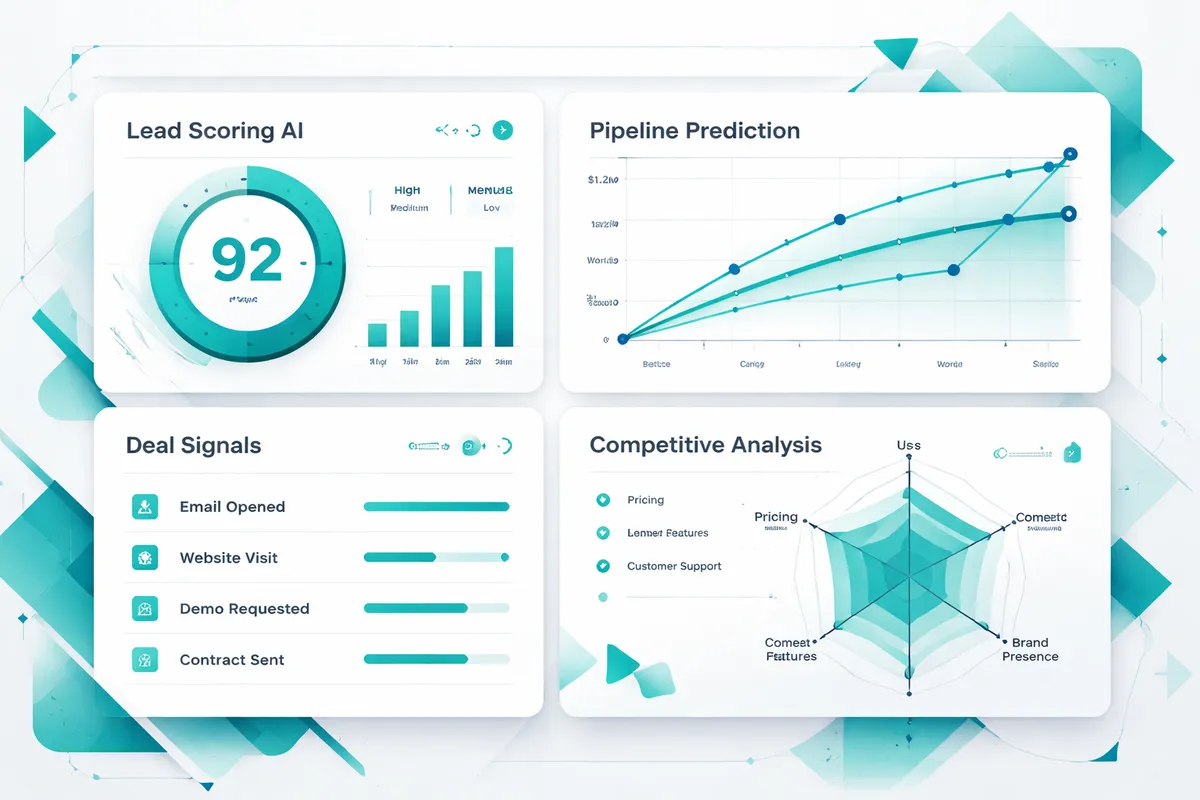
Dashboard and reporting configuration presents the intelligence in the format most useful for the decisions your Old Town business makes. A comedy venue manager making show programming decisions sees show-level performance comparisons across format, timing, and marketing investment. A restaurant owner making staffing decisions sees service period revenue patterns correlated with entertainment calendar events. A boutique buyer making merchandise decisions sees product category performance tied to customer segment and acquisition channel.
Industries We Serve in Old Town
Comedy clubs and performance venues on Wells Street generate ticket sales intelligence that answers the questions that drive programming and marketing decisions. Show format performance comparisons identify which comedy styles draw the largest and highest-value audiences. Early-buyer analysis reveals whether the shows with the strongest advance sales have the highest or lowest day-of-show walk-up rates. Audience acquisition attribution identifies which marketing channels produce first-time buyers and which produce loyal returners. This intelligence informs decisions about show programming, ticket pricing, and marketing budget allocation.
Restaurants and bars along Wells Street and North Avenue generate per-cover and per-service-period intelligence that informs staffing, pricing, and marketing decisions. Show-night versus non-show-night revenue comparison reveals the specific premium that pre-show and post-show dining generates. Customer segment analysis distinguishes neighborhood regulars from destination diners from one-time visitors and identifies the revenue contribution and return probability of each segment. Menu mix analysis shows which items drive the highest margin and the highest return visit rates.
Boutiques and specialty retailers in the Old Town Triangle and along Wells Street generate product and customer intelligence that informs buying and marketing decisions. Product performance analysis identifies which categories drive the highest revenue and the strongest customer return rates. Customer acquisition channel analysis reveals whether walk-in customers, Instagram followers, or email subscribers produce the highest lifetime value. Cross-purchase correlation identifies product combinations that predict high-value customers and inform merchandise curation.
Wellness studios and fitness businesses near Sedgwick Street generate class and client intelligence that informs scheduling, pricing, and retention decisions. Class format performance analysis identifies which class types retain clients longest and produce the highest lifetime revenue per client. Instructor-level retention analysis reveals whether client retention varies significantly by instructor and informs scheduling decisions. Pricing tier analysis shows which membership structures attract the most valuable client segments.
Professional services firms in the Old Town Triangle generate client and revenue intelligence that informs service mix, pricing, and marketing decisions. Service category profitability analysis distinguishes the services that generate the highest margin per hour from those that generate the most referrals. Client acquisition source analysis reveals which marketing channels and referral sources produce the highest-value clients. Retention analysis identifies the client behaviors that predict long-term engagement versus early churn.
Event spaces and private event coordinators across Old Town's entertainment corridor generate booking and revenue intelligence that informs pricing, capacity management, and marketing investment. Event type revenue analysis identifies which events generate the highest per-event and per-guest revenue. Booking lead time analysis reveals the optimal advance booking window for each event type. Referral source analysis identifies which acquisition channels produce the highest-value and most loyal event clients.
What to Expect Working With Us
1. Data inventory and intelligence objective definition. We inventory every data source in your operation, assess what questions the available data can answer accurately, and define the three to five intelligence objectives that will produce the highest decision-making value for your Old Town business.
2. Integration and data pipeline development. We build the integrations and pipelines that connect your data sources into a unified intelligence environment. Most Old Town businesses have data fragmented across three to six platforms that produce more useful intelligence when connected.
3. Dashboard and reporting configuration. We build the reporting layer that presents intelligence in the format most useful for your specific decisions. Show-level performance dashboards for entertainment venue managers. Service period revenue comparisons for restaurant operators. Product category and customer segment analysis for boutique buyers. The dashboard reflects your decision-making context.
4. Ongoing analysis and interpretation. Intelligence produces value only when acted on. Monthly analysis reviews call attention to the signals that warrant action: the show format that is underperforming historical benchmarks, the customer segment whose return rate has declined, the product category that is selling at a rate that warrants larger inventory orders. Interpretation connects data to decisions.