How We Build AI Data Pipelines for Old Town
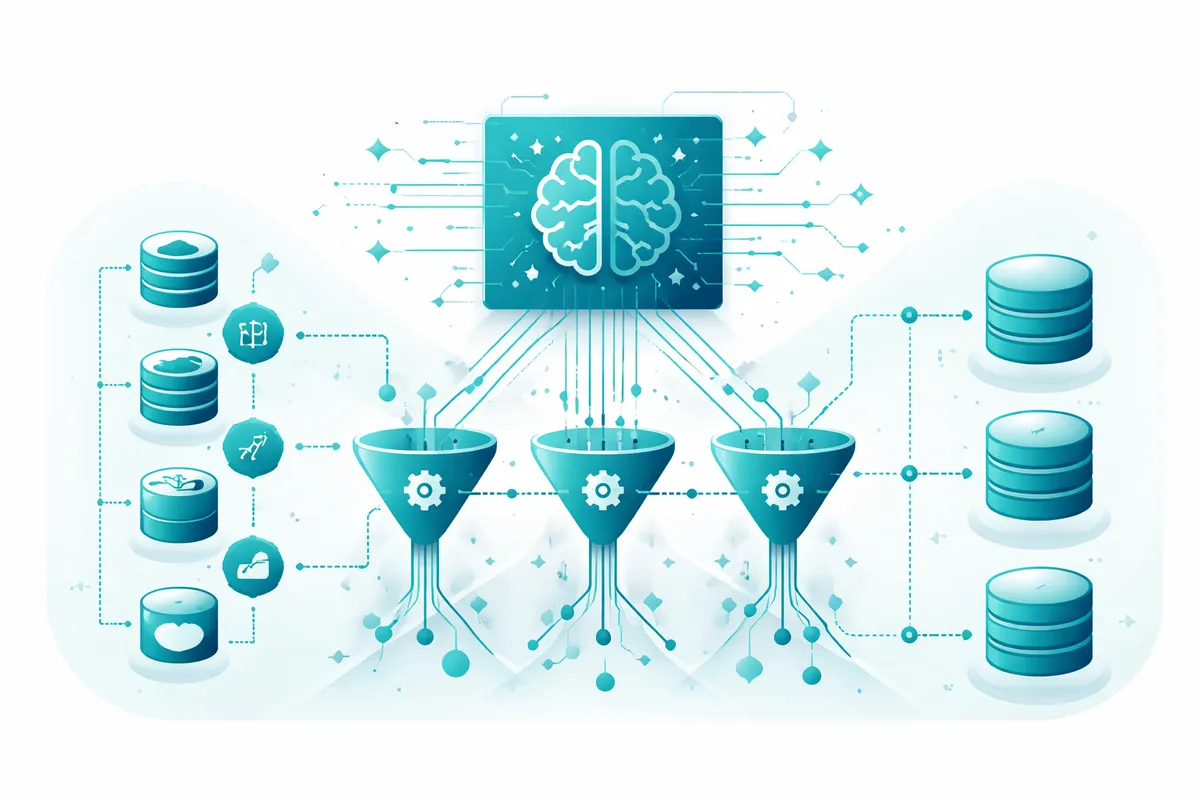
Pipeline development begins with the systems inventory. We document every platform generating or holding data relevant to your business decisions: reservation systems, point-of-sale platforms, email marketing tools, ticketing platforms, inventory management systems, loyalty programs, and review management tools. The inventory reveals what data exists, where it lives, and what integration capabilities each system provides.
From the inventory, we design the pipeline architecture. For most Old Town businesses, this means identifying three to five core data flows that answer the highest-value business questions and automating those flows first. A restaurant's highest-value pipeline might connect reservation counts, cover timing, and per-cover spend to produce daily pre-show versus non-show revenue comparisons. An entertainment venue's highest-value pipeline might connect ticket sales, email campaign sends, and attendance data to produce show-by-show marketing attribution.
Implementation builds the automated extraction, transformation, and loading processes that move data between systems without manual intervention. We connect to your existing platforms through their APIs, transform data into consistent formats that enable cross-system analysis, and build the reporting layer that presents insights in the format most useful for operational decisions. Dashboard configuration reflects the specific metrics that matter for your Old Town business rather than generic analytics that require interpretation to apply.
Industries We Serve in Old Town
Comedy clubs and performance venues on Wells Street generate ticket sales, attendance, email engagement, and social media data across multiple platforms that, when connected, reveal the audience behavior and marketing patterns that fill seats consistently. Pipeline integrations connecting ticketing to email to attendance produce show-level marketing attribution. Audience segment analysis identifies which customer types have the highest return visit rates. Pricing and discount analysis shows which offer structures drive the strongest advance ticket sales without cannibalizing full-price revenue.
Restaurants and bars along Wells Street and on North Avenue operate in an entertainment-correlated environment where show schedules, neighborhood events, and seasonal patterns interact with internal data to create the actual picture of business performance. Pipelines connecting reservation data, point-of-sale records, and loyalty program behavior produce per-show-night performance comparisons, customer lifetime value calculations, and menu mix analysis that informs purchasing and staffing decisions.
Boutiques and specialty retailers in the Old Town Triangle and on Wells Street manage inventory, customer purchase history, and marketing performance across systems that rarely connect natively. Pipelines connecting point-of-sale to email marketing to inventory produce sell-through rate analysis by product category, customer repeat purchase patterns, and marketing campaign attribution that shows which channels drive in-store traffic. The retailer can see which products move after which communications and adjust purchasing and marketing accordingly.
Wellness studios and fitness businesses near Sedgwick Street track class enrollment, client retention, revenue per class type, and instructor performance across booking platforms and payment systems. Pipelines connecting these systems produce the studio economics that inform class scheduling, pricing, and instructor management decisions. Churn analysis identifies clients who are reducing visit frequency before they cancel entirely, enabling proactive retention communication.
Professional services firms in the Old Town Triangle manage client engagement, billing, appointment history, and referral sources in practice management systems that rarely generate actionable business intelligence without data pipeline work. Pipelines connecting scheduling, billing, and client intake data produce capacity utilization analysis, revenue per service type, and referral source attribution that inform marketing investment and service mix decisions.
Event and entertainment promoters working across Old Town's multiple performance spaces manage show-by-show economics across venues, promoters, and marketing channels. Pipelines aggregating ticket sales, marketing spend, and attendance across all shows in their portfolio produce the comparative analysis that guides booking and marketing investment decisions.
What to Expect Working With Us
1. Systems inventory and data mapping. We document every platform generating relevant data, assess integration capabilities, and map the data flows that answer your highest-value business questions. The inventory typically surfaces data assets that are not currently being used and identifies the three to five pipeline priorities that produce the fastest operational impact.
2. Pipeline architecture and implementation. We build the automated extraction, transformation, and loading processes that connect your systems and produce clean, consistent data. Implementation uses your existing platforms' APIs to minimize disruption and avoid requiring system replacements before pipeline benefits are realized.
3. Reporting layer and dashboard configuration. We build the reporting interface that presents pipeline outputs in the format most useful for operational decisions. Restaurant owners see cover count and revenue by service period and show-night correlation. Entertainment venue managers see show-level ticket sales and marketing attribution. Dashboards are built for your decision-making context, not a generic analytics template.
4. Maintenance and pipeline expansion. Data pipelines require ongoing maintenance as source systems update APIs and data structures change. We monitor pipeline performance, address issues before they affect reporting, and add new pipeline connections as your data needs evolve. Quarterly reviews identify new data sources or reporting requirements that warrant pipeline expansion.