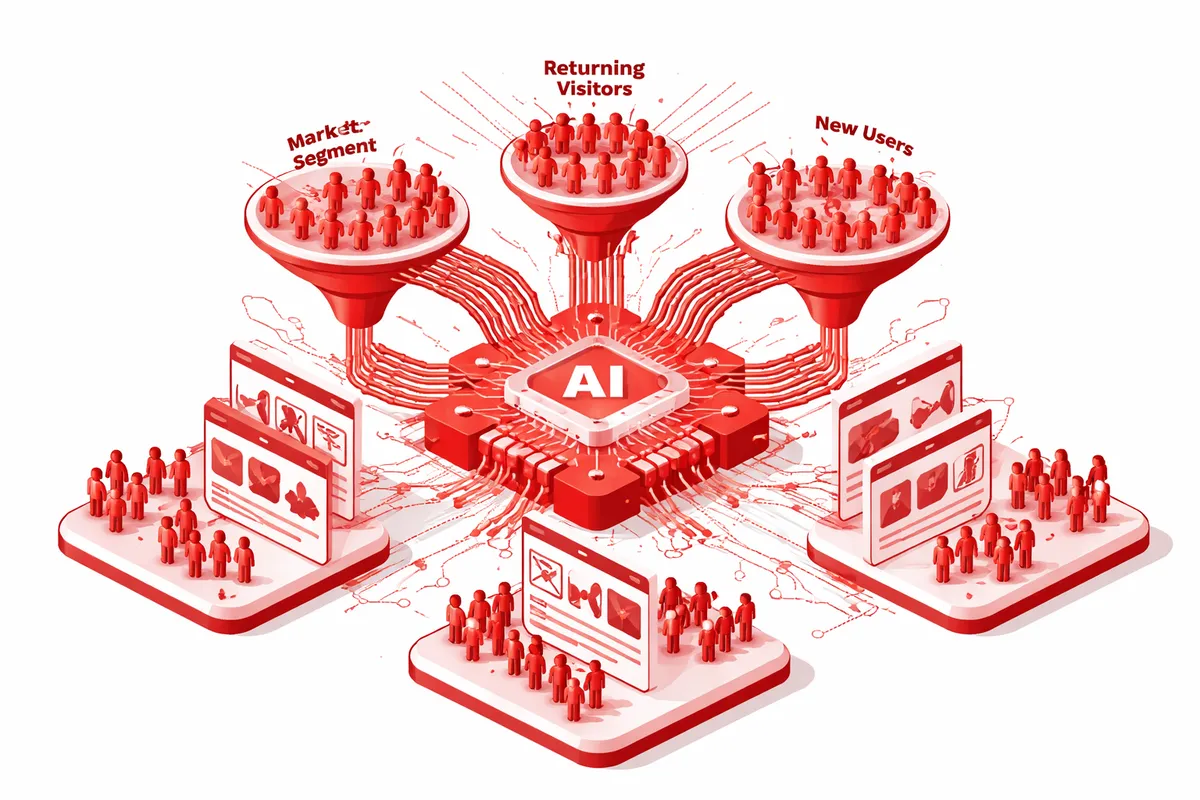
How We Build AI Content Personalization for Old Town
Our personalization implementation begins with the customer data audit. We assess what customer data your business currently holds across reservation systems, ticketing platforms, email lists, loyalty programs, and point-of-sale history. Most Old Town businesses have more customer data than they are using. The audit reveals what is available, what is actionable, and where gaps exist that new data collection can fill.
From the audit, we build the personalization architecture. For entertainment venues, this means segmenting the ticket database by visit frequency, show type preferences, group size, and purchase timing to create audience segments that receive calibrated communications. For restaurants, it means building reservation history into customer profiles that inform email timing, offer personalization, and occasion recognition. For boutiques, it means connecting purchase history to communication strategy so that product recommendations reflect demonstrated taste rather than general inventory.
Content personalization operates across email, SMS, and social retargeting. Personalized email sequences recognize customer history, acknowledge milestones, and offer recommendations calibrated to individual behavior. SMS communications reach customers at the moments when personalized offers are most likely to convert. Social retargeting serves content that reflects a customer's demonstrated interests rather than the business's general promotional calendar. Integration between these channels creates a consistent, recognized experience regardless of where the customer encounters your business next.
Industries We Serve in Old Town
Comedy clubs and performance venues on Wells Street including venues near Second City and Zanies have ticket databases that segment naturally by visit frequency, show preferences, and group behavior. AI personalization converts these databases into communication systems that recognize frequent attendees, re-engage lapsed ticket buyers, and present show recommendations calibrated to individual taste. Early access programs for loyal audience members, birthday recognition tied to show invitations, and post-show follow-up that requests reviews and invites return visits build the community relationship that fills seats consistently.
Restaurants and bars along Wells Street and on North Avenue serve overlapping audience segments: pre-show diners, neighborhood regulars, and destination diners from across Chicago. AI personalization distinguishes these segments and communicates accordingly. The pre-show diner receives show-night reservation prompts. The neighborhood regular receives recognition of their usual preferences and early notice of seasonal menu changes. The destination diner receives post-visit follow-up inviting a return. Each communication reflects actual customer history rather than generic promotional messaging.
Boutiques and specialty retailers in the Old Town Triangle and along Wells Street serve customers whose purchase histories reveal taste profiles that generic promotional emails miss entirely. AI personalization matches new arrivals and seasonal inventory to customers whose demonstrated preferences align with what has just arrived. A boutique customer who has purchased Scandinavian ceramics three times receives new ceramics arrivals before they hit the general email list. Styling recommendations reference past purchases. Anniversary and seasonal prompts acknowledge the relationship rather than treating the customer as a marketing address.
Wellness studios and fitness businesses near Sedgwick Street and within Old Town's residential blocks have class enrollment histories that personalize communication naturally. A yoga student who consistently attends morning classes and never attends evening workshops receives early enrollment access for new morning offerings. A client who lapsed after an injury receives a reactivation sequence calibrated to their history and appropriate to their situation. AI personalization maintains the personal attention that small studios provide at scale across an entire client roster.
Therapists and professional service providers in Old Town Triangle's residential office buildings use personalization for appointment management, milestone recognition, and referral cultivation. Appointment reminder sequences personalized to client history, check-in communications calibrated to service cadence, and referral requests timing built around positive engagement moments extend the personal relationship quality of professional practice through automated communication.
Event and entertainment promoters managing shows across Old Town's multiple performance spaces use audience personalization to build attendance. Genre-specific segments receive show announcements calibrated to their demonstrated preferences. Price-sensitive buyers receive early bird offers. Group buyers receive group pricing and package announcements. AI personalization converts a generic event list into a targeted communication engine that fills each show's seats with the audience most likely to attend.
What to Expect Working With Us
1. Customer data audit and segmentation architecture. We assess all customer data currently held across your systems, identify actionable segments, and design the segmentation architecture that will drive personalized communication. The audit typically reveals significant data assets that are not being used for personalization.
2. Personalization system implementation. We integrate your customer data into a personalization platform, configure segmentation rules, and build the communication templates that deliver personalized content across email, SMS, and social retargeting channels. Integration with reservation systems, ticketing platforms, and point-of-sale history ensures that customer behavior drives personalization in real time.
3. Content development and sequence design. Personalized communication requires content calibrated to each segment and occasion. We develop the email sequences, offer structures, and recognition messaging that convert customer history into relevant, welcomed communication rather than generic promotional noise.
4. Performance measurement and optimization. We track open rates, conversion rates, and revenue attribution for personalized campaigns versus generic broadcasts. Personalized campaigns consistently outperform generic campaigns, and the performance data guides ongoing segmentation refinement and content optimization.