How We Build Multi-Agent Systems for Oak Park
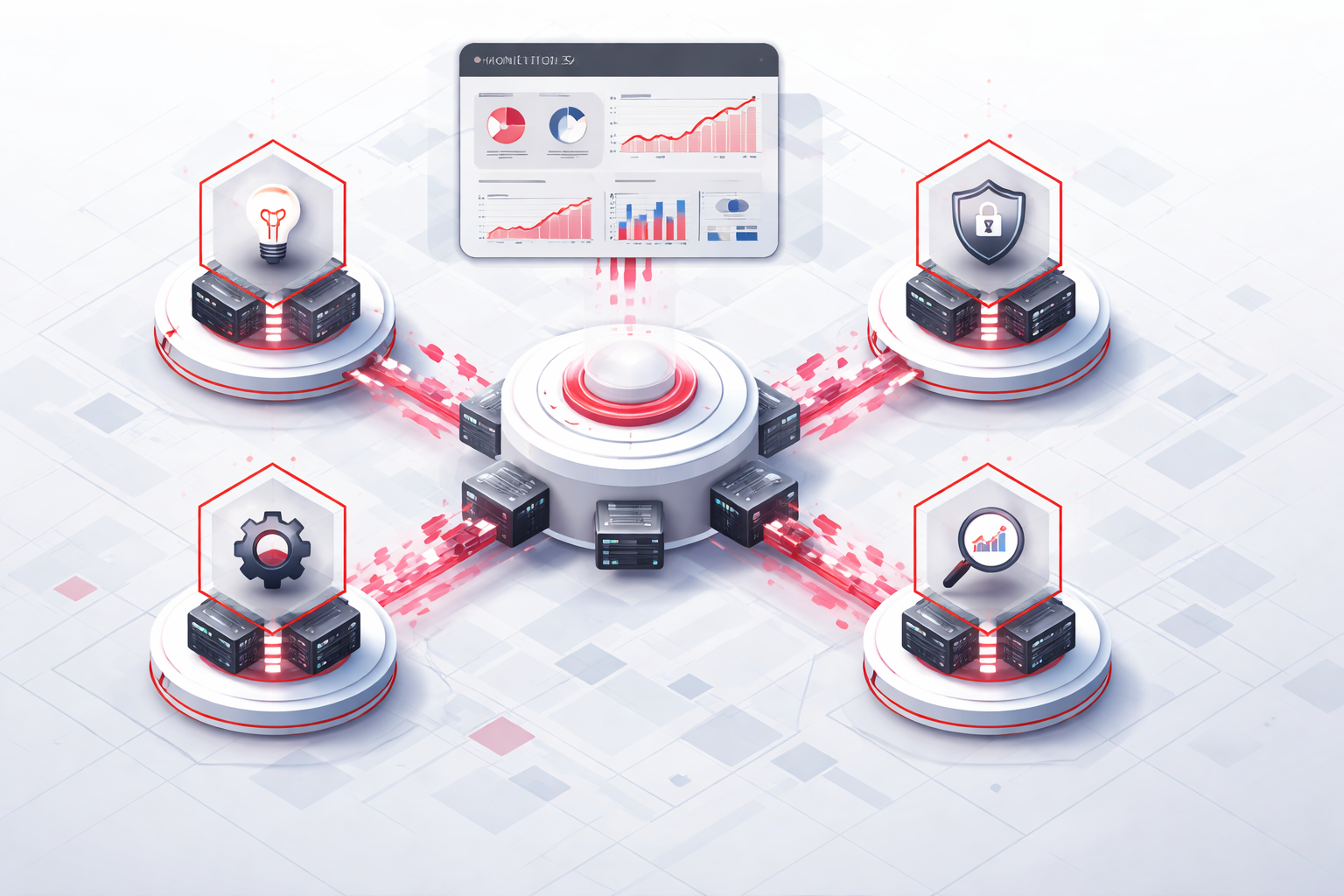
We start by understanding the workflow you want to automate. What are the steps? Who does each step currently? What information flows between steps? For a consultant producing client reports, that might be: research agent gathers market data, analysis agent synthesizes findings, writing agent drafts the report, review agent checks for accuracy, human editor finalizes. For a design firm, it might be: research agent gathers inspiration, generation agent produces concepts, evaluation agent scores against criteria, human designer refines finalists.
We then design the agent team. What is each agent responsible for? What information does it need from other agents? What decisions does it make versus what gets escalated to humans? We build explicit handoff points where humans intervene to guide direction. For example, after a research agent gathers market data, a human analyst might review and provide direction to the analysis agent about what aspects matter most.
We build and train each agent specialization. A research agent gets trained on where to find information and how to summarize it. A writing agent gets trained on your voice and style. A review agent gets trained on what quality standards matter. Each agent becomes a specialist rather than trying to have one generalist AI do all steps.
Finally, we build the orchestration. The workflow coordinator manages which agents work when, passes output from one agent to the next, escalates decisions to humans, and routes final work through your approval process. The result is a workflow that feels almost human in its coordination but completes much faster.
Industries We Serve in Oak Park
Law firms and legal practices use multi-agent systems for legal research, brief writing, contract analysis, and due diligence. Research agents gather case law and precedent. Writing agents draft briefs and memos. Review agents check for legal accuracy and completeness. Attorneys focus on strategy and client relationship rather than routine research and writing.
Architecture and design studios deploy multi-agent systems for design research, concept generation, and evaluation. Research agents analyze design trends, competitor work, and client inspiration. Generation agents produce design options. Evaluation agents score options against criteria. Designers focus on final refinement and client presentation rather than research and iteration.
Management consulting and advisory practices use multi-agent systems for market research, competitive analysis, and client report generation. Research agents gather information about industries and competitors. Analysis agents synthesize findings. Writing agents produce reports. Consultants focus on strategy and client conversation rather than research and writing.
Content agencies and publishing use multi-agent systems for content production. Research agents gather information. Writing agents produce drafts. Editing agents refine and standardize. Publishing agents format and schedule. The workflow scales from producing one piece of content to hundreds without linear time increase.
Nonprofit organizations use multi-agent systems for grant writing, fundraising communication, and impact reporting. Research agents gather program data. Writing agents produce compelling narratives. Review agents ensure accuracy. The workflow accelerates fundraising without adding staff.
Real estate and property management use multi-agent systems for property analysis, listing generation, and investment evaluation. Research agents analyze comparable properties and market trends. Analysis agents evaluate investment returns. Writing agents produce property descriptions and marketing copy. Agents handle volume that would overwhelm manual processes.
What to Expect Working With Us
1. Workflow analysis and agent design. We observe your current workflow and understand each step in detail. We identify what agents you need and what each should specialize in. We map out handoff points between agents and define where humans need to intervene. We design an efficient workflow that leverages AI specialization while maintaining human judgment where it matters.
2. Agent development and specialization. We develop each agent and train it on its specific domain. A research agent gets trained on your information sources. A writing agent gets trained on your style and standards. A review agent gets trained on your quality criteria. Each agent becomes genuinely specialized.
3. Workflow orchestration and integration. We build the workflow coordinator that manages the entire process. It routes work between agents, escalates decisions to humans, maintains quality standards, and produces final output. We integrate the workflow with your tools so output flows where it needs to go.
4. Launch, training, and ongoing refinement. We launch the multi-agent system and train your team on how to use it, provide input, and approve output. We monitor system performance and refine agent specialization as you encounter new work types. The system improves over time through use.