How We Build Analytics AI for Oak Park
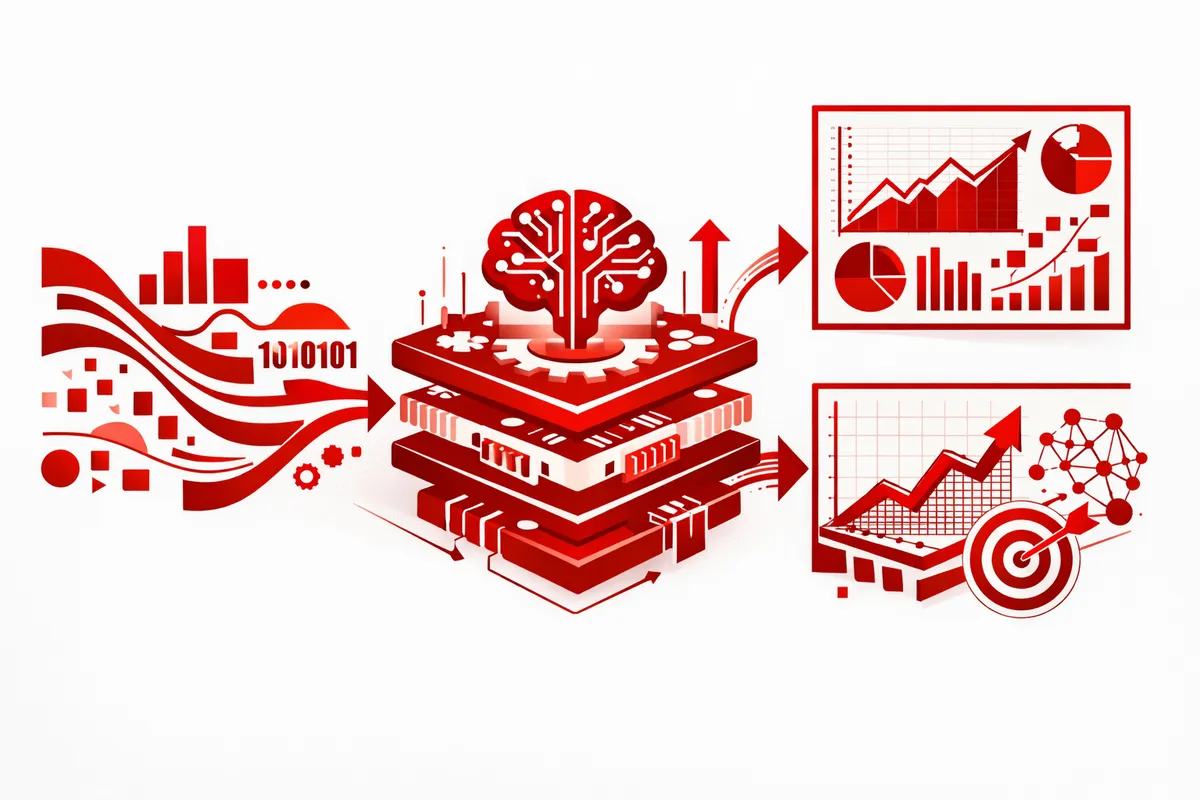
We start by understanding your business systems and data. Where does client information live? Where is revenue recorded? Where is project data tracked? Where is marketing spend recorded? We map your data landscape so we know what information is available and where it comes from. For many Oak Park businesses, this includes accounting systems, CRM platforms, project management tools, and email archives.
We then extract and organize your data. We pull billing records, project histories, client information, and operational data into a central analytics platform. We normalize the data so it is consistent and usable. We build data pipelines that automatically pull fresh data on a schedule so your analytics stay current.
Next, we apply AI to uncover patterns. Which client segments drive the most revenue? Which project types are most profitable? Which service offerings grow fastest? What patterns precede project delays or client churn? We build models that forecast revenue, project duration, and other key metrics. We flag anomalies and risks so your team can intervene early.
Finally, we deliver these insights to you in a format that is useful. Dashboards show key metrics and trends. Alerts flag when something important changes. Reports explain what the data shows and what you should do about it. This is not data for its own sake. This is data that drives decisions.
Industries We Serve in Oak Park
Law firms and legal practices use data analytics to understand which practice areas are growing, which client relationships are most profitable, which matters tend to overrun budget, and where to focus development efforts. Partners get monthly dashboards showing revenue, utilization, and client profitability. Analytics drive strategic decisions about service offerings and client relationships.
Architecture and design studios use analytics to understand which project types deliver on schedule and budget, which client profiles require constant rework, which team members excel at specific design disciplines, and where to invest in capability development. Design firms optimize which projects to pursue and how to structure teams.
Accounting and bookkeeping practices analyze which service lines are growing, which client segments are most profitable, which client compliance risks warrant attention, and where to focus new service development. Analytics help practices grow revenue per client and reduce risk.
Management consulting and advisory practices use analytics to forecast pipeline and revenue, understand win rates by pitch type and industry, identify which engagements tend to expand and which remain single-project, and track utilization by team member and skill. Analytics optimize resource allocation and business development.
Nonprofit organizations use analytics to understand fundraising effectiveness, donor lifetime value, program impact, and operational efficiency. Analytics help nonprofits stretch limited resources and demonstrate impact to donors.
Real estate and property management firms analyze property performance by portfolio, tenant quality and retention, operational costs and efficiency, and investment returns. Analytics drive portfolio decisions and operational improvement.
What to Expect Working With Us
1. Data landscape analysis and strategy. We meet with your team to understand your business systems, your data sources, and your decision-making needs. What questions do you need analytics to answer? What data do you have access to? We develop a strategy for what analytics to build first based on impact and feasibility.
2. Data integration and preparation. We connect to your business systems, extract relevant data, and build pipelines that keep your analytics current. We clean and normalize the data so it is consistent and reliable. We build the foundation that all future analytics depends on.
3. Analytics model development and deployment. We build dashboards showing your key business metrics. We develop forecasting models that project future revenue, project duration, or other critical metrics. We build alerts that flag when something important changes. We deliver these tools to you via a dashboard you can access anytime.
4. Training and ongoing refinement. We train your team on how to use the analytics and interpret the insights. We monitor the analytics over time and refine models as your business changes. We help you extract decisions from the data, not just numbers.