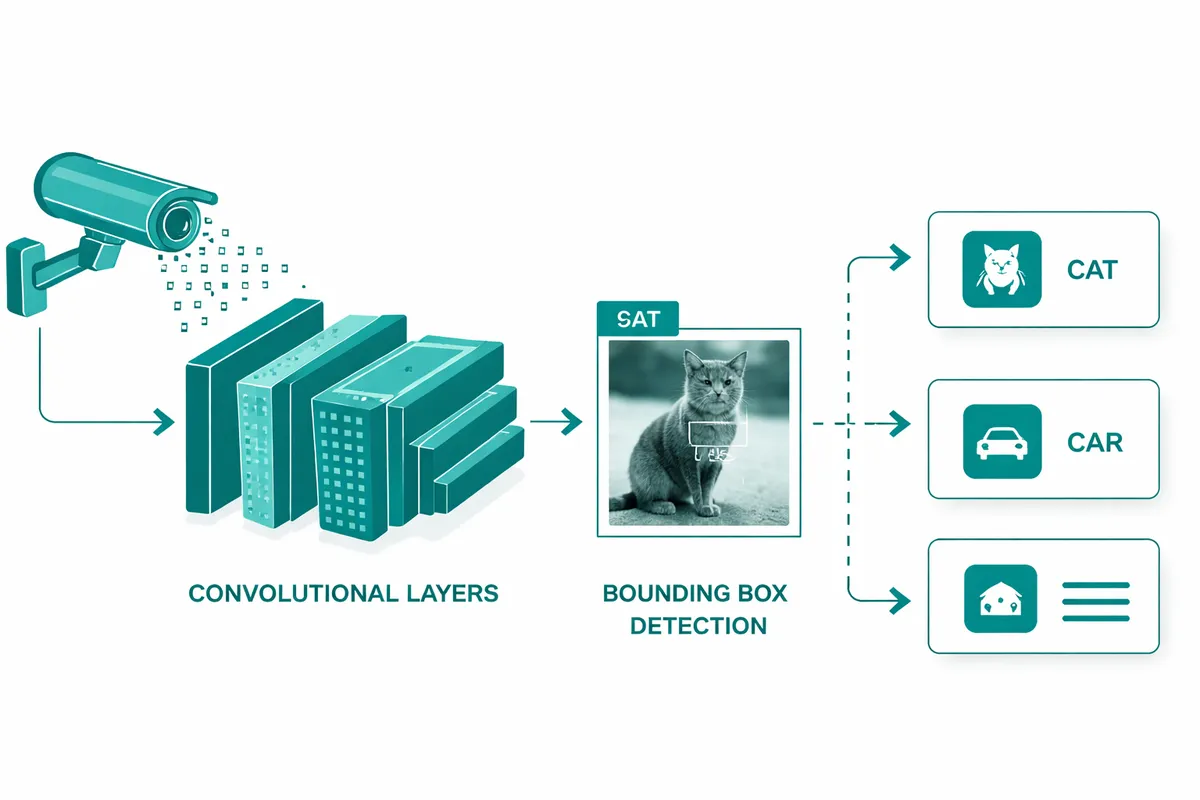
How We Build Computer Vision Solutions for Oak Park
We start by understanding the visual task you want to automate. What are you currently inspecting or analyzing? What criteria matter for determining quality, success, or risk? What volume are you processing? For a manufacturer, that means understanding what defects matter and how they appear. For a real estate team, that means understanding what features or issues matter to your clients. For a design firm, that means understanding what visual standards must be met.
We then gather training data. We collect photographs or video of what you want the system to recognize. Good and bad examples. Edge cases and common cases. Images taken under different lighting and angles. From this training data, we build a vision model that learns to recognize quality, identify defects, or classify images reliably.
We deploy the vision system in your environment and refine it based on how it performs with your actual data. First deployments often need adjustment because real-world conditions differ from training conditions. We calibrate the system so it performs reliably in your actual lighting, your actual product variations, and your actual workflows.
Finally, we integrate the vision system with your processes. It might feed alerts to your team when a defect is detected. It might integrate with your database to tag and organize images. It might export data to your reporting systems. Integration makes the vision system useful rather than just a curiosity.
Industries We Serve in Oak Park
Manufacturing and light industry along the Ravenswood corridor use computer vision for quality inspection on production lines. A vision system inspects parts for defects, dimensions, and assembly quality faster and more consistently than manual inspection. Manufacturers reduce defect rates and increase inspection throughput.
Architecture and design studios use computer vision to evaluate design variations, flag which designs meet visual specifications, and organize design asset libraries by visual characteristics. A vision system reviews hundreds of design options and identifies which ones meet your aesthetic standards and technical requirements.
Real estate and property management firms use computer vision to analyze property photographs, identify features and conditions, and flag properties needing maintenance or inspection. A vision system rapidly processes listings and evaluates property condition at scale.
Accounting and bookkeeping practices use computer vision to extract text from invoices, receipts, and financial documents, classify documents by type, and route them for processing. A vision system converts mountains of paper and digital documents into structured data.
Nonprofit and healthcare organizations use computer vision for document scanning and record organization, security monitoring, and asset tracking. Vision systems improve efficiency in facilities management and administrative operations.
Retail and commercial businesses use computer vision for security monitoring, customer traffic analysis, and shelf-level inventory verification. A vision system monitors your retail environment and provides insights about traffic patterns and inventory.
What to Expect Working With Us
1. Visual analysis and task definition. We observe your current visual workflow. We understand what you are currently inspecting, what standards you apply, and what volume you process. We define the specific visual task we are going to automate so we are clear on success criteria.
2. Training data collection and model development. We collect training data from your actual operations. We photograph or video the things you want to recognize, including good and bad examples, edge cases, and variations. We develop a vision model that learns to recognize what matters based on your training data.
3. Deployment and environment calibration. We deploy the vision system in your actual work environment. We test it with your real data and refine the model based on how it performs. We adjust sensitivity, accuracy thresholds, and decision rules until the system performs reliably in your actual conditions.
4. Integration and ongoing refinement. We integrate the vision system with your processes so it provides useful output. We monitor performance over time and continue refining the model as conditions change. We document how to use the system so your team can operate it independently.