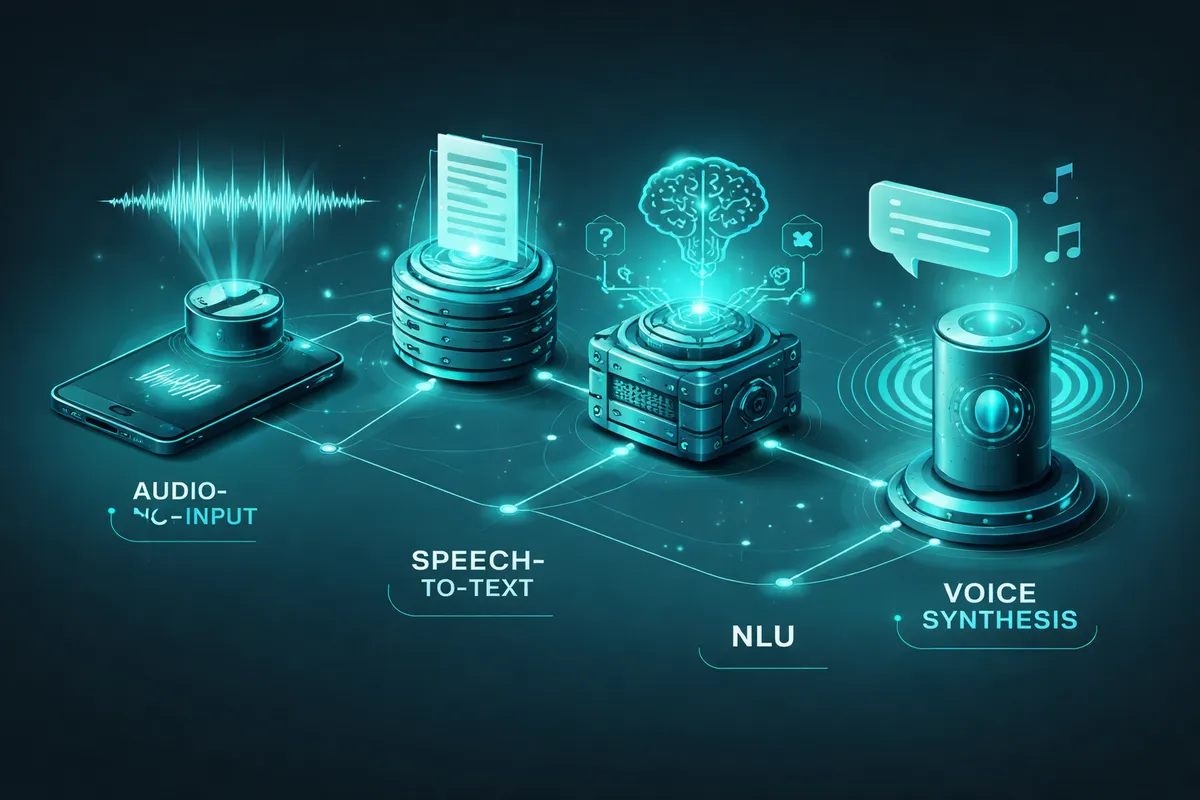
How We Build Voice AI for Oak Lawn
We begin with a call audit. Two weeks of actual call data, how many calls per day, at what hours, for what reasons, with what outcomes, informs every decision that follows. The audit tells us which inquiries can be fully resolved by Voice AI, which require scheduling or information routing, and which need a human immediately. A medical practice audit typically reveals that 35 to 50 percent of calls are appointment requests or scheduling questions, 15 to 20 percent are insurance verification questions, 10 to 15 percent are directions or hours, and 20 to 30 percent require clinical routing or are genuinely complex. Voice AI handles the first three categories automatically and routes the fourth to staff with a transcript.
Configuration covers your specific business information: the services you offer, the insurance panels you accept, the providers' schedules and availability, your location relative to landmarks like Advocate Christ Medical Center and Stony Creek Golf Course, parking instructions, after-hours protocols. The Voice AI knows your business as well as a trained front desk coordinator.
For healthcare practices, we configure clinical escalation protocols: symptoms that trigger immediate routing to a nurse or clinical staff member, after-hours emergency instruction that routes urgent medical concerns to appropriate resources. No clinical decision is made by Voice AI. It collects information and routes. Clinical judgment stays with your providers.
Integration with your scheduling system allows Voice AI to check availability and book appointments directly. The patient who calls at 8 PM to schedule a physical gets their appointment confirmed before they hang up, not deferred to the next morning. We integrate with the practice management platforms common in Oak Lawn's healthcare community: Athenahealth, DrChrono, SimplePractice, and most major systems.
Testing runs against your actual call scenarios before deployment. We place test calls, review transcripts, and tune the system before it handles live calls. Staff training covers the handoff interface: how to see what Voice AI collected before picking up a transferred call, how to review after-hours transcripts, and how to flag scenarios that should change Voice AI behavior.
Industries We Serve in Oak Lawn
Medical practices near Advocate Christ Medical Center use Voice AI for appointment scheduling, new patient intake, insurance verification, directions and parking information, and after-hours clinical triage routing. Practices handling 50 or more calls per day see the largest benefit. One Oak Lawn practice reduced front desk call volume by 42 percent in the first month by routing scheduling and insurance questions to Voice AI, allowing front desk staff to focus on patients physically present in the office.
Insurance agencies along 95th Street and Cicero Avenue use Voice AI for policy status inquiries, coverage questions, claims initiation intake, and producer scheduling. Agency Voice AI handles the high-frequency, low-complexity calls from existing clients while ensuring producers are available for conversations that move policies forward.
Dental practices serving the southwest suburban community use Voice AI for new patient intake, appointment scheduling, insurance verification, and after-hours emergency contact routing. Dental Voice AI systems handle hygienist scheduling efficiently and capture after-hours calls from patients with urgent concerns who might otherwise go to an emergency room unnecessarily.
Auto dealers along the southwest suburban corridor use Voice AI for service appointment scheduling, vehicle availability questions, parts department routing, and sales inquiry intake. Dealership call volume peaks on Saturday mornings, exactly when staffing is most challenging. Voice AI handles the volume spike without service quality declining.
Professional offices including accounting firms and consulting practices use Voice AI for client routing, appointment scheduling, general inquiry handling, and new client intake. Professional service Voice AI systems filter and qualify calls so staff can prioritize the clients and prospects that most warrant their attention.
Specialty retail businesses along Harlem Avenue and Pulaski Road use Voice AI for hours and location questions, product availability inquiries, reservation or appointment handling, and general customer service routing. Retail Voice AI extends responsiveness into the evening and weekend hours when customers are most active but staff coverage is lightest.
What to Expect Working With Us
1. Call audit and configuration scoping. We review two weeks of your actual call volume and patterns, identify the inquiry categories Voice AI should handle, and define clinical or complex escalation rules. This phase produces a configuration specification your team approves before build begins.
2. System configuration and integration. We configure Voice AI with your business information, integrate with your scheduling or CRM system, and set up escalation routing. For healthcare clients, we configure HIPAA-compliant call handling and clinical triage protocols. Configuration and integration typically takes one to two weeks.
3. Testing and calibration. We place test calls across all defined scenarios, review transcripts and outcomes, and calibrate the system before any live calls are handled. Staff participate in testing to ensure the handoff experience meets their needs.
4. Deployment and monitoring. We go live with active monitoring during the first two weeks. We review call transcripts daily, identify scenarios not handled well, and tune Voice AI behavior in real time. After the first two weeks, we transition to weekly reviews and ongoing monthly monitoring.