How We Build Supply Chain Automation for Oak Lawn
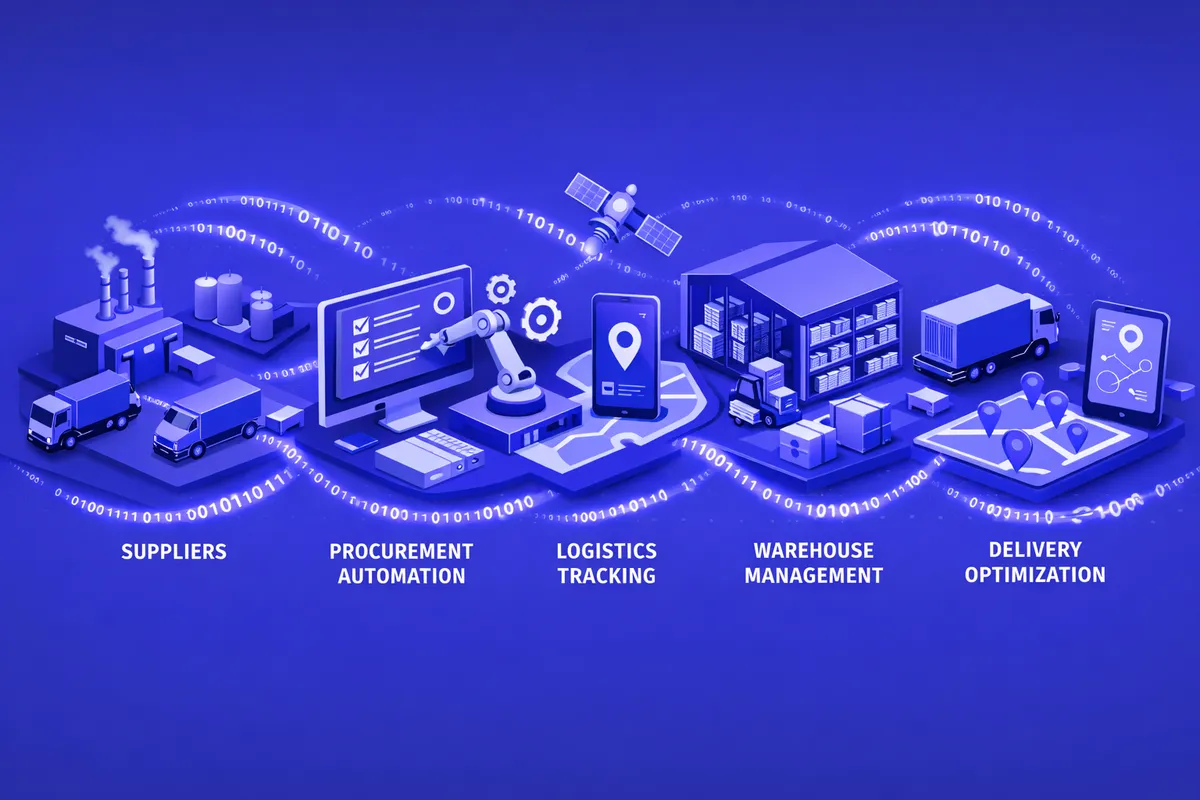
Every Oak Lawn engagement begins with a supply chain process audit that maps your current workflows, identifies where manual steps create the most risk or cost, and produces a prioritized automation roadmap. For healthcare-adjacent businesses, this audit specifically addresses compliance requirements around supply documentation, expiration tracking, and vendor qualification. For distributors, it maps the inbound purchase order cycle, inventory management, and outbound fulfillment workflows that automation will connect.
Integration architecture is designed around the systems Oak Lawn businesses already run. Healthcare practices typically use specialized practice management and supply ordering platforms alongside QuickBooks or similar accounting software. Distributors often run industry-specific ERP or inventory management platforms. Our automation layer connects your existing systems rather than replacing them, adding workflow triggers and coordination logic that your current tools cannot provide on their own.
We implement highest-impact automations first. For a healthcare practice, that typically means automated reorder triggering for clinical supplies and automated vendor communication for delivery confirmation and exception alerts. For a distributor, it means automated inventory monitoring, purchase order generation, and inbound shipment tracking. Later phases add demand forecasting, supplier performance reporting, and the integration depth that converts data from multiple systems into a single supply chain visibility layer.
Industries We Serve in Oak Lawn
Medical and Dental Practices: Practices operating near Advocate Christ Medical Center manage clinical supply, office supply, and equipment maintenance procurement across multiple vendor relationships. Automated reordering, vendor communication workflows, and purchase order tracking keep supply costs visible and eliminate the stockout risks that create care delivery disruptions.
Healthcare Supply and Distribution Companies: Specialty distributors and suppliers serving the healthcare corridor along Cicero Avenue and 95th Street manage complex multi-vendor product flows with tight delivery windows. Automated inventory monitoring, replenishment ordering, and inbound shipment tracking provide the operational precision that healthcare customers require.
Auto Dealers and Parts Distributors: Auto dealers near Oak Lawn Pavilion managing parts inventory across multiple manufacturer supplier programs need automation that monitors parts availability, triggers replenishment orders based on service demand forecasting, and tracks inbound shipment status without manual intervention.
Specialty Retailers: Specialty retailers along Harlem Avenue managing seasonal inventory cycles, promotional purchasing, and multi-supplier product catalogs need automation that handles routine procurement while providing inventory visibility that prevents both stockouts and excess carrying costs.
Food Service and Restaurant Distributors: Food service distributors and restaurant supply companies serving Oak Lawn's restaurant corridor manage perishable and non-perishable product across multiple vendor relationships. Automated purchasing triggered by inventory depletion, delivery tracking, and FIFO enforcement reduce waste and eliminate the ordering errors that erode margin.
Professional and Insurance Offices: Insurance agencies and professional offices along 103rd Street manage office and operational supply procurement that manual processes make unnecessarily expensive. Recurring supply orders and vendor relationship management run automatically, flagging exceptions for human review.
What to Expect Working With Us
1. Supply Chain Audit. We map your current procurement and inventory workflows, identify the highest-cost manual touchpoints, and produce a prioritized automation roadmap. For healthcare-adjacent Oak Lawn businesses, this audit includes assessment of compliance requirements around supply documentation and vendor qualification.
2. Integration Architecture. We design the connections between your existing platforms and the automated workflows. For distributors with industry-specific ERP, we map the API and data integration architecture before development begins. You approve the architecture before any code is written.
3. Phased Implementation. Highest-impact automations go live first. Your team sees operational benefit before the full program is complete. Each phase is tested against your actual supply chain scenarios, including the edge cases that matter in healthcare and distribution environments.
4. Monitoring and Performance Reporting. Post-launch monitoring tracks purchasing cycle times, fill rates, inventory accuracy, and vendor delivery performance. We establish baseline metrics during the audit and report improvement against those baselines throughout the engagement.