How We Build ERP Integration for Oak Lawn
Every engagement begins with a systems audit: what platforms you currently run, what data each system owns, and where the manual handoffs currently happen. For Oak Lawn healthcare operations, this audit specifically addresses HIPAA data classification, identifying which data flows involve protected health information and designing those flows with appropriate access controls and audit logging.
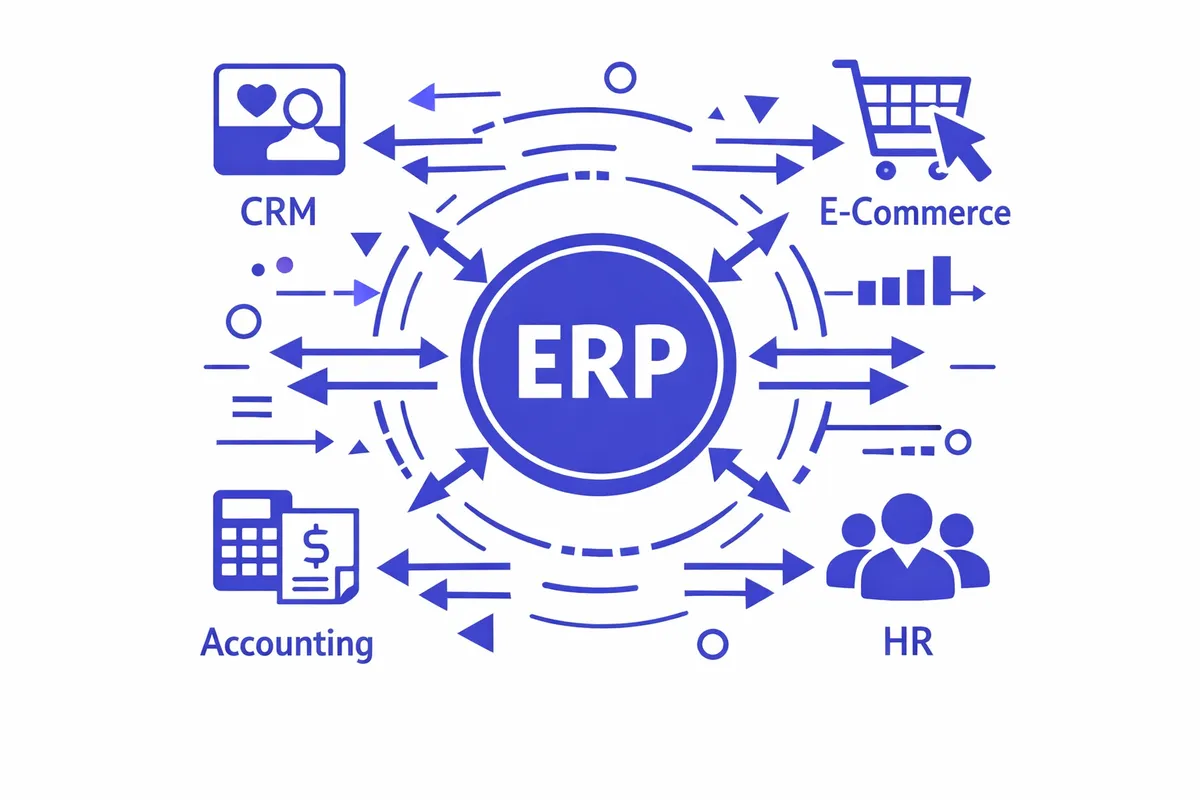
We produce an integration architecture document before any development begins. This document shows exactly what connects to what, what data moves in each direction, how errors surface, and how the integration is monitored. Your team reviews this before we write any code.
Implementation is phased by priority. The highest-friction integration gap gets built first. For a medical practice near the Advocate Christ campus, this might be the billing-to-accounting sync. For an insurance agency on Cicero Avenue, it might be the agency management platform to QuickBooks. Each phase delivers measurable reduction in manual work before the next phase begins.
Nearby Evergreen Park businesses dealing with the same cross-system fragmentation follow the same phased process, giving Oak Lawn clients a point of local reference for what a completed integration engagement looks like.
Industries We Serve in Oak Lawn
Medical practices and specialty clinics near Advocate Christ Medical Center run clinical platforms, billing systems, and accounting tools that do not share data by default. We connect billing to accounting, scheduling to payroll, and patient records systems to the practice management layer to eliminate manual reconciliation and produce accurate financial reporting.
Rehabilitation and therapy centers along 95th Street operate scheduling and documentation platforms built for clinical use, not financial integration. We build the connection between clinical scheduling, insurance billing, and accounting so revenue reporting reflects what has been billed and what has been collected.
Insurance agencies on Cicero Avenue manage policies, clients, and commissions in agency management systems that are not connected to general business accounting or CRM tools. We build the connections between these layers, automating the data flows that currently require manual export and re-entry.
Healthcare support services and billing companies operating near the Advocate Christ corridor manage payer data, remittance files, and client billing in specialized platforms alongside general business operations in ERP or accounting software. We connect the specialized clinical billing infrastructure to the business operations layer.
Auto dealers and specialty retail along Harlem Avenue and Pulaski Road run dealer management systems or inventory platforms that are disconnected from accounting and CRM tools. We connect these systems so inventory, sales, and financial data flow without manual reconciliation.
Small professional offices and contractor businesses in Oak Lawn that have grown into multi-employee operations often find their accounting platform is not connected to the project management, scheduling, or CRM tools they also use. We build those connections modularly.
What to Expect Working With Us
1. Systems audit. We document every platform in your current stack, identify where manual data transfers occur, and assess the integration options available for each platform in your environment. For healthcare clients, we conduct this audit with HIPAA data flows specifically mapped.
2. Integration architecture. We produce a documented design showing each connection, data direction, error handling, and monitoring approach. You review and approve before development begins.
3. Phased implementation. We build the highest-priority integration first, typically live within six to ten weeks. Each subsequent phase adds a new connection without disrupting integrations already in production.
4. Monitoring and support. Every integration includes automated monitoring for sync completion and errors. We provide a post-launch warranty period and optional maintenance retainers for changes as your platforms or business needs evolve.