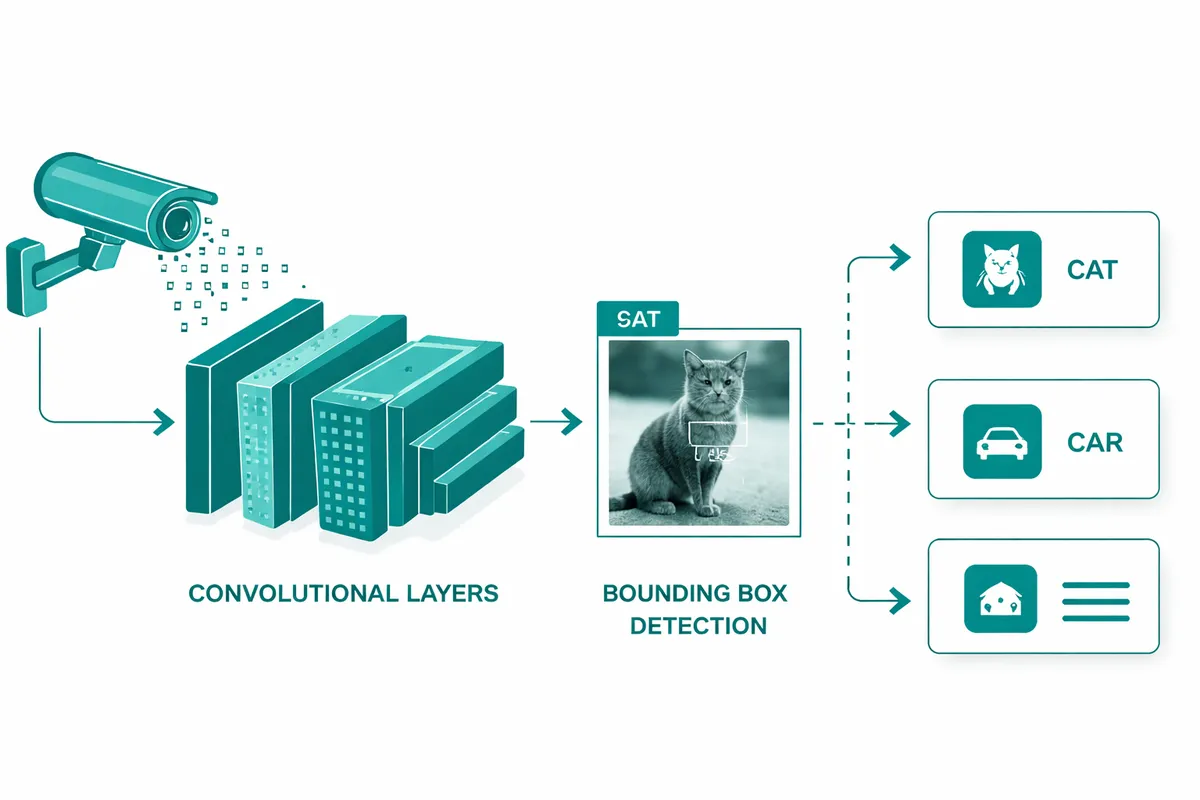
How We Build Computer Vision for Oak Lawn
For medical applications, we start by understanding the imaging workflow. What type of images are being captured. Who needs access to them. What decisions are made based on the images. We then implement systems that assist with specific tasks. The system might help with initial image classification, flagging images that need specialist review, or extracting measurements and data from images. The system augments clinical judgment, not replacing it.
For retail applications, we install video cameras in strategic locations. We configure AI vision systems to count customer entries and exits, track movement patterns, measure dwell time in specific areas, and analyze checkout conversion. We create dashboards showing traffic patterns by hour and day. Retail managers see which times drive the most traffic, which floor areas are underutilized, where customers linger. This data informs staffing schedules, product placement, and store layout optimization.
For security applications, we install monitored video systems with AI detection. The system learns normal activity patterns. When unusual activity appears (someone in a restricted area, boxes stacked in odd places, activity at odd hours), the system alerts staff immediately. False alarms are minimized through learning. The system watches so humans don't have to.
For document processing, we deploy vision systems that can read and extract information from forms, receipts, invoices, and consent documents. A medical office uploads patient intake forms. The system extracts name, date of birth, insurance information, and medical history automatically. Staff reviews and corrects if needed. The result is fast data entry without manual typing.
We integrate all these systems into a dashboard accessible from your office. You see traffic analytics, security alerts, processing completion, and any exceptions needing attention. We train your team on using the system and maintain it as your needs evolve.
Industries We Serve in Oak Lawn
Medical and Dental Practices. Healthcare offices use computer vision to assist with X-ray analysis, patient record document processing, and imaging workflow management. Systems help identify images that need specialist attention, extract patient information from documents, and organize medical imaging efficiently. Clinical staff spend less time on administrative image tasks and more time with patients. Record completeness improves.
Pharmacy and Medical Supply Retail. Pharmacies and medical supply stores use computer vision for customer traffic analysis, floor layout optimization, and inventory monitoring. Managers see which departments attract the most traffic and when. Floor placement decisions are data-driven. Shrinkage monitoring alerts to unusual inventory movement. High-value items receive automated surveillance.
Insurance and Professional Offices. Insurance agencies and professional services use computer vision for document processing and data extraction from client intake forms and policy documents. Information is extracted automatically instead of manually typed. Data accuracy improves. Processing speed increases. Staff time on data entry decreases dramatically.
Imaging Centers and Diagnostic Facilities. Imaging facilities use computer vision to organize incoming images, flag images needing priority review, organize archives, and manage imaging workflow. Radiologists spend less time on administrative image tasks. Prioritization ensures urgent cases are reviewed first. Archive management becomes automated.
Healthcare Facilities and Hospitals. Hospital and surgical centers use computer vision for facility security monitoring, restricted area access management, and safety monitoring. Video systems detect unauthorized access, equipment left in corridors, or hazardous situations. Staff is alerted to actual problems instead of monitoring video continuously. Incident documentation happens automatically.
Home Healthcare and Therapy Services. Home health and therapy providers use computer vision for progress documentation and patient movement monitoring. Video of therapy sessions documents progress systematically. Patient mobility assessments are measured consistently. Documentation supports clinical decision making and payer justification.
What to Expect Working With Us
1. Workflow and Challenge Assessment. We understand your current image or video processing challenges. For medical practices, we understand your imaging workflows. For retail, we understand your analytics needs. For security, we understand your monitoring and risk priorities. We identify where computer vision adds the most value.
2. System Design. We propose specific computer vision applications for your business. We explain what the system will do, how it will work, and what results you can expect. We discuss privacy considerations and compliance requirements.
3. Installation and Training. We install cameras, sensors, and software as needed. We configure the system with your actual data. We train your team on using dashboards and interpreting results. We establish alert protocols and response procedures.
4. Integration with Your Operations. We integrate computer vision into your existing workflows. Medical practices incorporate results into imaging pipelines. Retail stores use analytics for scheduling and merchandising decisions. Security teams receive alerts through their existing systems.
5. Performance Monitoring and Optimization. We monitor system accuracy and refine continuously. We identify opportunities to expand the system. We provide monthly reports showing results and suggesting optimizations.