How We Build Workflow Automation for North Center
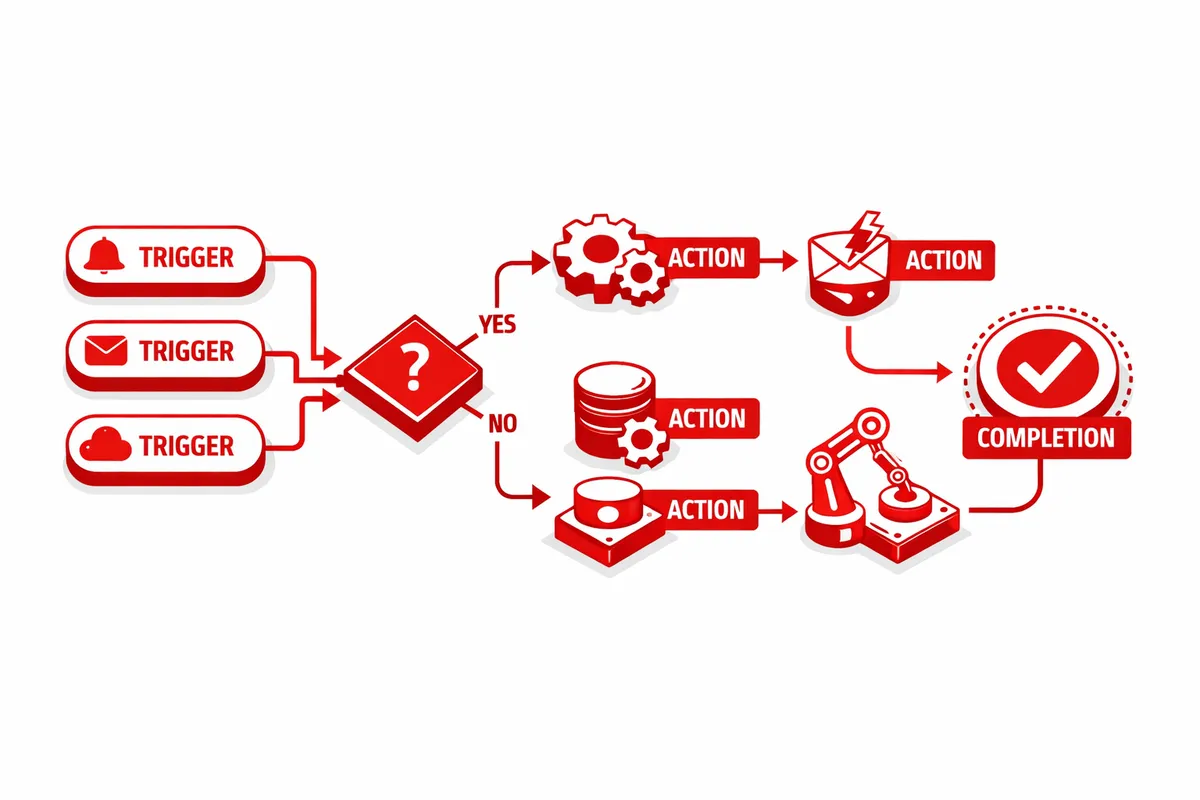
We start with a conversation about your current operations rhythm. Not an abstract audit — a practical walkthrough of a typical week. How does an inquiry become an appointment? Who sends confirmations, and when? What happens after a visit? What data gets re-entered, and where? For North Center family businesses, this conversation usually reveals three or four automation opportunities that would save hours each week and improve the consistency of the client experience.
We then prioritize automations by impact and implementation simplicity. The first automation we build is usually the one that saves the most time or prevents the most common failure — for a pediatric practice, that might be automated appointment reminders; for a preschool, automated inquiry response and tour scheduling; for a restaurant, automated reservation confirmation and waitlist management.
Implementation uses reliable no-code and low-code platforms: Zapier, Make, or direct integrations through the tools you already use. We don't build custom software that requires a developer to maintain. Every automation we create is documented in plain language and operates through tools that have help documentation, active user communities, and regular updates.
Testing is rigorous. Every automation runs through realistic test scenarios before going live. For automations that affect family communication — appointment reminders, enrollment confirmations, payment notifications — we test with actual staff members as recipients before reaching real clients. Error handling is built into every workflow so a failed step generates an alert rather than silently dropping data.
Industries We Serve in North Center
Pediatric practices and family health clinics near Lincoln Avenue and Irving Park Road can automate appointment reminders via text and email, post-visit follow-up messages, insurance verification request sequences, and patient reactivation communications for families who haven't been in for their annual. These automations keep the schedule full without adding front-desk administrative work.
Preschools and childcare centers in North Center benefit most from enrollment-season automation: inquiry acknowledgment responses, tour scheduling, waitlist status updates, and enrollment packet reminders. During the September-October inquiry rush, automation ensures every family gets a timely, professional response even when the director is managing 80 simultaneous inquiries.
Family restaurants on Lincoln Avenue and Damen Avenue can automate reservation confirmations, private event inquiry routing, post-visit review requests, and seasonal email campaigns. For restaurants that take private reservations for birthday parties and school events, automation handles the confirmation and reminder sequence without requiring a manager to track each booking manually.
Fitness studios and wellness practices near Welles Park and Western Avenue run membership renewal automations, class reminder sequences, waitlist notifications, and attendance-based follow-up messages. A member who hasn't attended in three weeks gets a check-in message. A membership expiring in seven days gets a renewal reminder. These touchpoints happen automatically, at the right moment.
Boutique retailers along Lincoln Avenue can automate post-purchase follow-up, loyalty program enrollment, back-in-stock notifications for popular items, and seasonal campaign sequences. Retail automation extends the customer relationship beyond the single transaction without requiring daily manual effort.
Event and wedding planners operating from North Center offices manage complex client communication sequences across months of planning. Automation handles the routine touchpoints: milestone reminders, vendor confirmation requests, payment schedule reminders, and the final-week checklist sequences that ensure nothing is missed on event day.
What to Expect Working With Us
1. Operations walkthrough and automation map. A two-hour working session where we map how work actually flows through your business and identify the top automation opportunities. You leave with a prioritized list and a clear picture of what each automation would do and save.
2. Build and testing phase. We build the top-priority automations, test them with realistic scenarios, and walk you through how each one works before anything touches real clients. You approve every workflow before it goes live.
3. Launch and 30-day monitoring. Automations launch during a low-volume period. We monitor for edge cases and failures for the first 30 days and refine based on real transaction patterns. You receive confirmation of each automation's performance during the monitoring period.
4. Team training and documentation. We train whoever manages day-to-day operations on how to monitor automations, make simple modifications, and recognize when something needs attention. Every automation is documented with a plain-language description of what it does and what to check if it stops working.