How We Build Prompt Libraries for North Center
Prompt engineering begins with a task audit: documentation of the recurring AI use cases in your business, ranked by frequency, time consumed, and the value of having consistent, high-quality output. For a North Center home services contractor, the highest-value prompt categories typically include estimate follow-up emails, customer inquiry responses, project completion communications, review request messages, and supplier correspondence. For a dental practice, they include patient recall communications, appointment confirmation and reminder content, insurance inquiry responses, and new patient welcome materials.
Task analysis for each priority use case documents what a strong output for that task looks like: the information it contains, the tone it takes, the length and format appropriate for its use, and the variations that occur across different instances of the task. A home services contractor's estimate follow-up email contains different information depending on the job type, the estimate amount, the customer's expressed timeline, and whether it is the first follow-up or a second attempt. The prompt template needs to accommodate these variations without requiring the user to redesign the instruction from scratch for each instance.
Prompt drafting and testing is iterative. We draft initial prompt structures based on the task analysis, test them against realistic instances of the task drawn from your actual business context, review the outputs for accuracy and quality, and refine the prompt based on where the outputs fall short. For most North Center business contexts, this iteration requires three to five rounds before a prompt reliably produces output at the quality threshold where it is genuinely useful as a first draft.
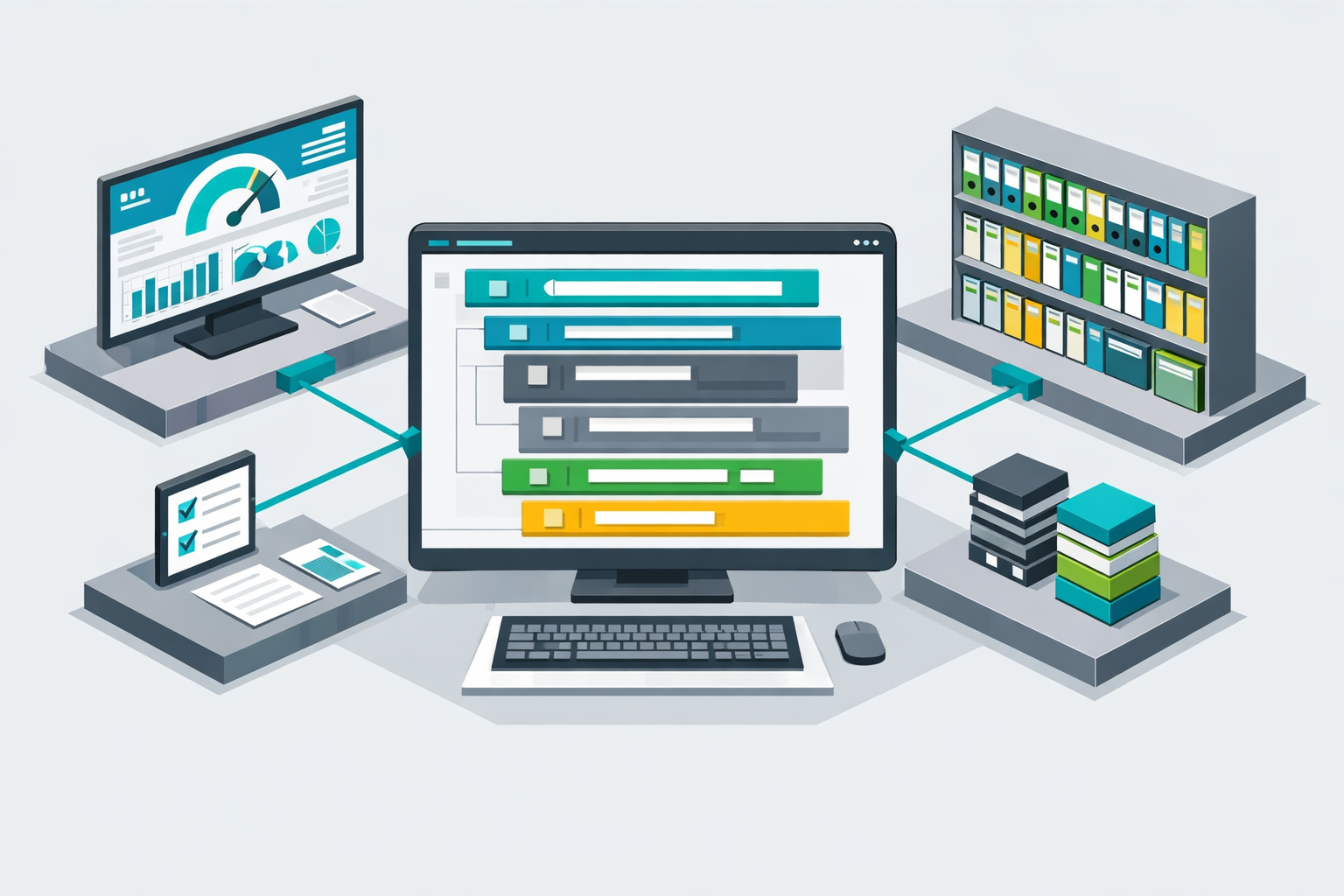
Template design makes tested prompts accessible to staff without requiring them to understand the engineering logic behind the prompt structure. We convert tested prompts into fillable templates where the stable elements are pre-populated and the variable elements are clearly marked as inputs. The contractor's estimate follow-up template has the firm structure, tone instruction, and content guidance pre-built, and the user fills in the job type, the customer name, the estimate amount, and the specific points to emphasize.
Industries We Serve in North Center
Healthcare and dental practices throughout North Center use custom prompt libraries for patient recall communications, appointment confirmation and reminder content, insurance inquiry responses, post-visit follow-up messages, new patient welcome communications, and the health education content that practices use to inform patients about treatment options and preventive care. Practices with systematic AI prompt libraries produce consistent patient communications that reflect the practice's voice.
Home services contractors on Damen Avenue, Western Avenue, and throughout North Center's residential areas use custom prompt libraries for estimate and proposal drafts, customer inquiry responses, project scope clarifications, follow-up email sequences, post-project satisfaction messages, and review request communications. Contractors with a prompt library for customer communications produce more consistent, more professional correspondence without additional time investment from the business owner.
Law offices and professional service firms near the Rockwell corridor use custom prompt libraries for client update communications, engagement letter drafting, informational content explaining matter status and next steps, billing correspondence, and the professional education content that positions the firm as an authority for prospective clients.
Specialty retailers on Lincoln Avenue and the Rockwell corridor use custom prompt libraries for product description writing, promotional email drafting, social media caption creation, customer inquiry responses, supplier communication, and the inventory and merchandising content the retail operation requires. A Lincoln Avenue boutique with AI prompts that reproduce its established brand voice produces AI-generated content indistinguishable from content written by its most experienced staff member.
Family-oriented service businesses including music schools, tutoring centers, and youth programs serving North Center families use custom prompt libraries for enrollment inquiry responses, parent communication templates, program description updates, event and class announcements, and the nurture communication that moves families from initial inquiry to enrollment and from enrollment to re-enrollment each program period.
Restaurants and food businesses near Martyrs and along Lincoln Avenue use custom prompt libraries for menu description writing, social media content creation, event and special announcement drafting, customer inquiry responses, and the operational communications that coordinate staff, suppliers, and event clients.
What to Expect Working With Us
1. Task audit and priority ranking. We conduct a structured interview with your team to identify all the recurring AI use cases in your business, document the frequency and time cost of each, and rank them by the value of having consistent, high-quality output. We scope the engagement around the ten to fifteen prompt categories where professional engineering will deliver the most operational benefit.
2. Task analysis and prompt drafting. For each priority use case, we document what a strong output looks like, what information the prompt needs to include, and what variations the template needs to accommodate. We draft and iterate until each prompt reliably produces outputs at the threshold where they save time rather than requiring rewriting.
3. Template development and documentation. We convert tested prompts into fillable templates with clear guidance on what to input for each variable element, and write documentation explaining each prompt's purpose and how to adapt the template for variations that fall outside the standard form. Documentation is designed for staff without AI expertise.
4. Team training, adoption support, and library maintenance. We deliver a training session covering the prompt library and how to use each prompt category. We provide thirty days of adoption support and conduct quarterly reviews of prompt performance, refining underperforming prompts and adding new categories as your team's AI use expands.