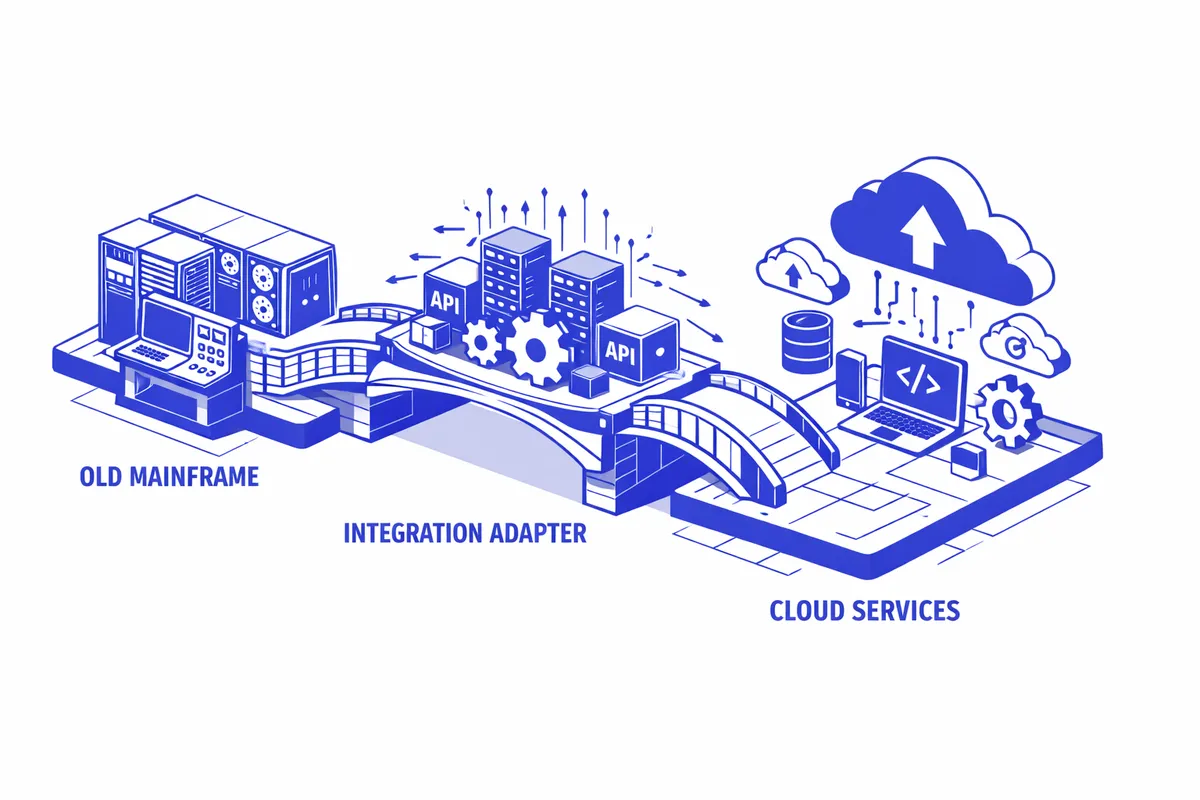
How We Modernize Legacy Systems for North Center
North Center businesses tend to have two things in common: genuine operational depth and genuine reluctance to disrupt what works. We respect both. Our migration approach starts with a documentation phase that captures everything the current system does, not just the obvious functions but the workarounds, the custom configurations, and the data relationships that only long-tenured staff members know to preserve. That documentation becomes the blueprint for the migration so the new system starts as functionally complete as the old one rather than requiring months of reconfiguration after go-live.
For restaurant clients on Lincoln Avenue, the migration planning centers on POS data: item libraries, customer records, loyalty point balances, and the catering history that the sales team uses to manage repeat business. We migrate that data completely before any cutover rather than treating it as secondary to the platform replacement.
For healthcare clients on Western Avenue and Irving Park Road, we work within the data portability standards that EHR and practice management platforms are required to support under HIPAA and federal health IT regulations. Patient data migration follows those standards precisely, with privacy protections maintained throughout the migration process.
For retail clients, we design inventory reconciliation workflows that align legacy stock data with the modern platform's data model, resolving the naming inconsistencies, duplicate entries, and unit-of-measure variations that accumulate in legacy inventory systems over years of normal operation.
Industries We Serve in North Center
Family Restaurants and Dining: Lincoln Avenue restaurants and the North Center dining community manage years of POS data, loyalty records, and catering history in platforms that cannot connect to modern online ordering and delivery infrastructure. We migrate that data and build the connections to modern platforms that these businesses need.
Pediatric and Family Healthcare: Medical and dental practices along Irving Park Road and Western Avenue manage patient histories, billing records, and clinical data in legacy EHR and practice management systems increasingly isolated from modern clinical infrastructure. We design migration paths that preserve patient data while opening access to the integration capabilities that current insurance and clinical workflows require.
Preschools and Early Education: Early education programs near Welles Park and Saint Benedict Parish manage enrollment, billing, and family communication in legacy systems that cannot connect to modern parent communication platforms. We migrate enrollment and billing data to modern platforms with the family-facing integrations built in.
Boutique Retail and Home Goods: Independent retailers on Damen Avenue and the Western Avenue corridor manage inventory and customer data in legacy POS systems that cannot support omnichannel commerce. We migrate inventory data and connect replacement systems to modern e-commerce platforms with synchronized inventory management.
Wedding and Event Planning: Event planning businesses serving North Center's family-oriented wedding culture manage client contracts, vendor relationships, and event documentation in legacy CRM systems. We migrate that data to modern event management platforms with client portal and payment integration.
Fitness Studios and Wellness: Fitness businesses near Revere Park and Horner Park manage membership, class scheduling, and billing data in systems that predate mobile booking. We migrate member data and build connections to the booking platforms that fitness clients now expect.
What to Expect Working With Us
1. Legacy System Documentation: Before any migration planning begins, we document the current system's complete function set, data model, and the operational workarounds that staff have built around system limitations. North Center businesses with long-tenured staff often have institutional knowledge about system quirks that is not written down anywhere and must be captured before migration to avoid rebuilding the same workarounds in the new system.
2. Migration Risk Assessment: We identify the data migration risks specific to your legacy system: the fields with inconsistent data entry, the records entered in workaround formats, and the custom configurations that do not map cleanly to the target system's data model. The risk assessment drives the migration design rather than being discovered after the migration runs.
3. Parallel Operation Planning: For North Center businesses where operational continuity is paramount, we design a parallel operation period where old and new systems run simultaneously through a defined validation window. The business continues serving customers normally while the migration team validates data completeness and system function before the legacy system is retired.
4. Post-Migration Support and Staff Training: We provide post-migration support that covers both technical troubleshooting and staff retraining on the new system. For North Center businesses with long-tenured staff who have deep familiarity with legacy system quirks, the retraining phase is as important as the technical migration itself.