How We Build Inventory Management for North Center
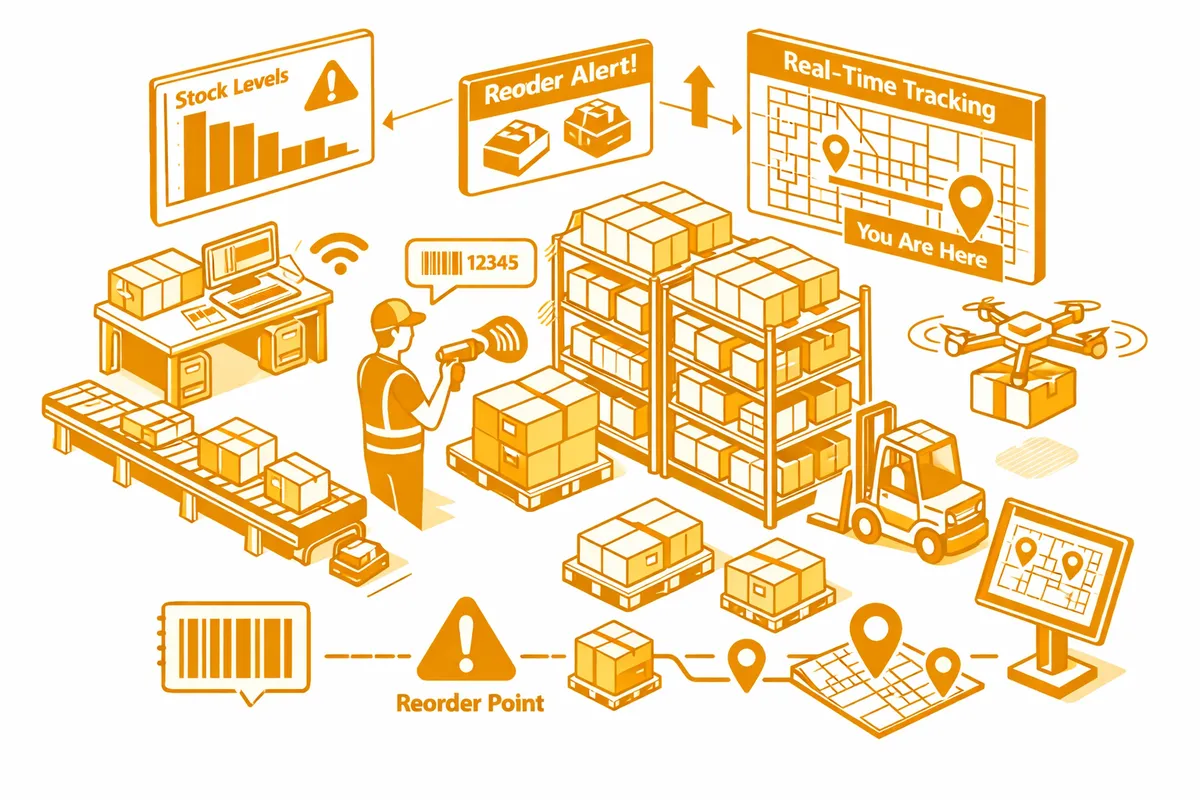
For most North Center boutique retailers, inventory management means evaluating your current POS and e-commerce platforms and building the connections that make them share a single inventory pool in real time. Square, Lightspeed, Shopify POS, and Clover all have inventory capabilities; the question is whether they are configured correctly and connected to your online store in a way that keeps stock levels accurate across all selling channels.
We audit your current setup, identify where the gaps are (typically: online inventory is manually updated, reorder thresholds are not set, and there is no automated reorder notification), and configure the right combination of platform settings and integration code to close those gaps. For businesses that have outgrown their POS inventory module, we evaluate dedicated systems that integrate with both POS and e-commerce and provide richer reporting.
The implementation includes a product catalog cleanup: standardizing SKUs, mapping variants, setting reorder thresholds based on historical sales velocity, and assigning supplier information for automated purchase order generation. Most North Center retailers have a catalog with inconsistencies accumulated over years. A clean catalog is the foundation that makes every other inventory capability reliable.
Industries We Serve in North Center
Children's clothing and gear retailers on Damen Avenue carry seasonal inventory with sharp demand curves. The spring stroller and outdoor gear season and the fall clothing and school year preparation period are the two busiest windows, and running out of top-selling items in those windows has an outsized revenue impact. Inventory management with seasonal demand forecasting, set against the prior year's comparable period, lets these retailers reorder at the right time and in the right quantity to capture the full peak rather than losing sales after the first two weeks.
Specialty food and kitchen retail stores along Lincoln Avenue manage inventory across a wide SKU count with significant variation in velocity. A single item might sell 80 units in November and 12 units in March. Inventory management that tracks seasonal velocity patterns and adjusts reorder suggestions accordingly prevents both the overstock of slow-moving items that tie up cash and the stockout of fast-moving items that frustrates regular customers.
Boutique home goods and gift shops near Welles Park and on the Irving Park Road corridor carry unique items sourced from small producers, many of which have long lead times. A custom ceramic piece from an artisan supplier might take six weeks to restock after it sells out. Inventory management that tracks lead times by supplier and sets reorder thresholds accordingly prevents the stockout of items with long reorder cycles. The system alerts the buyer when reorder is needed based on how long the item will take to arrive, not just on how many are left.
Fitness studios and wellness businesses along Lincoln Avenue carry retail inventory alongside their service business: branded apparel, equipment, nutrition products, and lifestyle accessories. Inventory management for these businesses tracks retail inventory separately from service capacity and generates restocking alerts for the retail floor that the front desk can act on without involving the owner or studio manager in every reorder decision.
Wedding and event planning boutiques in North Center manage rental inventory, consumable supplies, and retail merchandise simultaneously. Rental inventory requires tracking which items are out on rental, when they are due back, and whether they need servicing before they go out again. Consumable supplies like specialty papers, flowers, and packaging materials need reorder triggers set against event calendar demand rather than just historical averages. We configure inventory systems that handle these distinct inventory types with the appropriate logic for each.
Preschool and early childhood programs, from classroom materials to school supply packs for enrolled families, require tracking against enrollment numbers and program cycles. A preschool near Chicago Waldorf School offering a fall enrollment package needs to order based on confirmed enrollment, not a guess from prior year supply. Inventory management tied to enrollment data prevents both overordering on materials that expire and underordering on supplies needed from day one.
What to Expect Working With Us
1. Inventory audit and system gap analysis. We spend the first week documenting your current inventory process: what platforms you use, how stock is tracked today, where discrepancies happen, and what stockouts and overstock have cost in the past year. Most North Center retailers have a POS with inventory capability that is partially configured, an e-commerce platform not connected to it, and a reorder process that depends on the owner noticing when a shelf is getting light.
2. Platform configuration and integration. We configure your POS inventory module, set reorder thresholds and supplier information for each product, and integrate the POS with your online store so both channels pull from the same inventory pool. Every integration is tested end-to-end before go-live: simulated sales on both channels confirm that inventory decrements correctly.
3. Catalog cleanup and SKU standardization. Before or during configuration, we clean up your product catalog: merge duplicate SKUs, standardize variant structure, fill in missing supplier information, and set initial reorder thresholds based on historical sales data. A clean catalog makes every subsequent inventory management task faster and more reliable.
4. Staff training and reorder workflow handoff. We train the staff member responsible for inventory on managing the reorder queue, reviewing stock alerts, updating supplier information, and reconciling counts after physical inventory. For a boutique retailer on Damen Avenue, that person is often the owner. Training is designed for someone doing this efficiently alongside other responsibilities.