How We Build Computer Vision for North Center
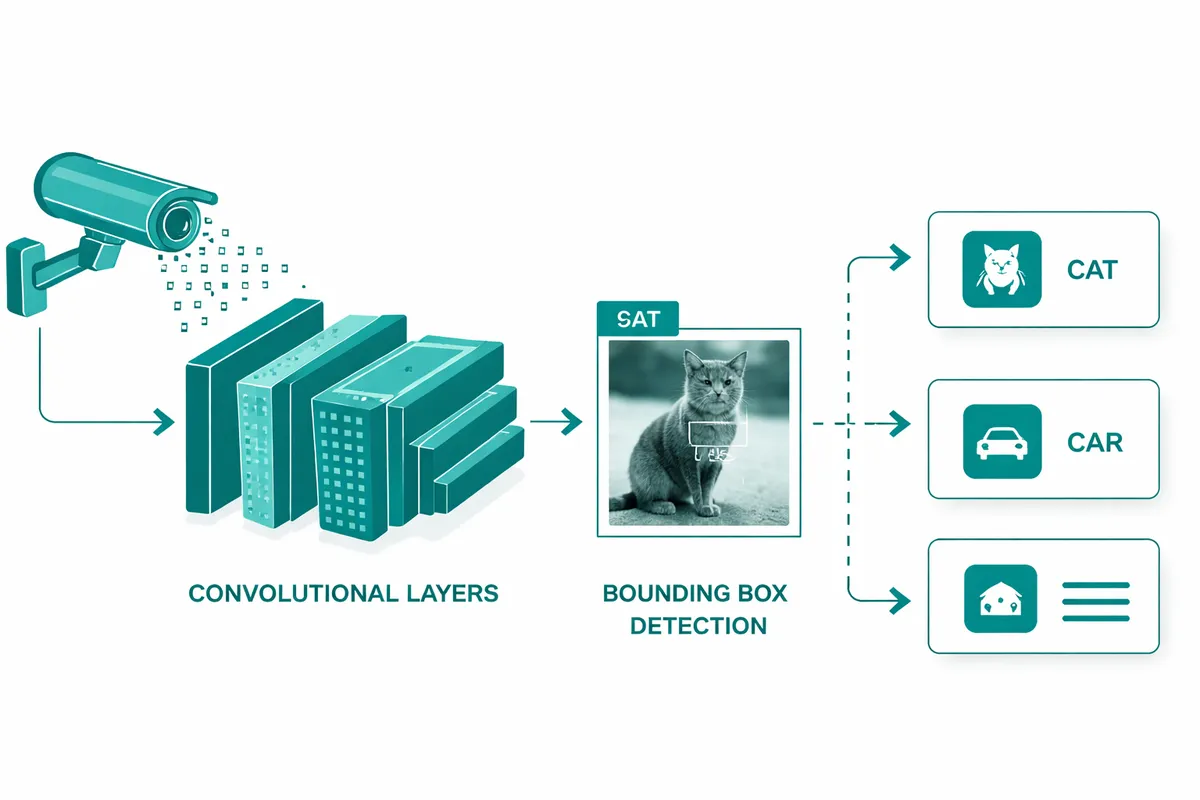
Every computer vision project starts with a use case definition session. We identify the specific visual inspection or classification task that computer vision will handle, the images or video that are input to that task, and the decisions or actions that the computer vision output should trigger. For a North Center specialty retailer, that might be product identification for inventory updates. For a contractor near Horner Park, it might be project phase classification for documentation.
Model selection follows use case definition. Some computer vision tasks can be addressed with pre-trained general-purpose models that recognize common objects and categories. Others require custom models trained on images specific to your business context. A model that needs to recognize specific products from a North Center specialty retailer's catalog requires training on images of those specific products. We assess which approach is appropriate for your use case and budget.
Integration with existing workflows connects the computer vision output to the business processes that depend on it. A product identification model that outputs to a spreadsheet does not save time. One that outputs directly to the inventory management system does. We build the integrations that make the computer vision output actionable without additional manual steps.
Industries We Serve in North Center
Specialty retail businesses on Lincoln Avenue benefit from computer vision for inventory management, product condition assessment, and visual merchandising compliance. A computer vision model that identifies products from photos and updates inventory counts automates a task that retail staff currently perform manually. A model that flags product condition issues during receiving prevents quality problems from reaching the sales floor.
Home renovation and construction contractors near Horner Park and Addison Street benefit from computer vision for project documentation, site safety monitoring, and quality inspection. A model that classifies site photos by project phase and generates progress summaries saves project managers hours of manual photo review. A model that identifies safety hazards in site photos provides an additional review layer that supports project safety management.
Fitness studios and wellness businesses near Welles Park and along Damen Avenue benefit from computer vision for movement analysis and form feedback. Video analysis that identifies technique deviations in strength training or yoga practice provides objective coaching feedback at a scale that extends instructor effectiveness. This application requires careful design and consent processes but represents a genuine differentiator for North Center fitness businesses.
Educational services and tutoring centers near the Chicago Waldorf School on Damen Avenue benefit from computer vision for document scanning, handwriting recognition, and student work organization. A system that scans and categorizes student work samples, extracts handwritten text, and organizes records by student and date reduces administrative time for tutors and directors.
Family medical practices on Lincoln Avenue and Western Avenue benefit from computer vision for document classification, form processing, and medical image organization where appropriate. Computer vision that classifies incoming documents by type and routes them to the appropriate workflow reduces front desk administrative burden without requiring clinical AI applications.
Wedding planners and event professionals serving North Center use computer vision for portfolio organization, vendor image classification, and event documentation. A system that automatically tags event photos by category, identifies featured vendors, and organizes the image library by event makes the portfolio management task significantly more efficient.
What to Expect Working With Us
1. Use case definition and feasibility assessment. We define the specific visual inspection or classification task, assess the feasibility given available image or video data, and confirm whether a pre-trained or custom model is the appropriate approach for your North Center business.
2. Model selection or training. We select the appropriate pre-trained model or design and train a custom model on images from your specific business context. Custom model training requires a sufficient sample of labeled images, which we assess during the feasibility stage.
3. Integration and workflow connection. We integrate the computer vision output with the business systems that depend on it, ensuring that the visual analysis results in automated action rather than manual data transfer.
4. Testing, deployment, and monitoring. We test the complete system against real images from your North Center business, deploy to production after validation, and monitor accuracy during the initial deployment period. We adjust the model as needed based on production performance.