How We Build Analytics for North Center
Every engagement starts by mapping what you are currently measuring against what decisions you actually need to make. A boutique retailer on Damen Avenue needs to know which product categories drive return visits, not just pageviews. A family practice on Western Avenue needs to know which pages in the new patient flow generate phone calls versus which ones generate bounces. The audit surfaces the gaps: missing conversion tracking, events that fire incorrectly, attribution models that credit the last click and obscure the awareness channels that started the journey.
We then build the tracking layer correctly from scratch or repair what exists. That means implementing Google Analytics 4 event tracking that captures the actions that matter to your business: form submissions, phone call clicks, appointment bookings, class registrations, and purchase completions. For businesses using scheduling platforms common in North Center fitness and medical markets, we wire server-side events or platform webhooks where client-side tracking is unreliable.
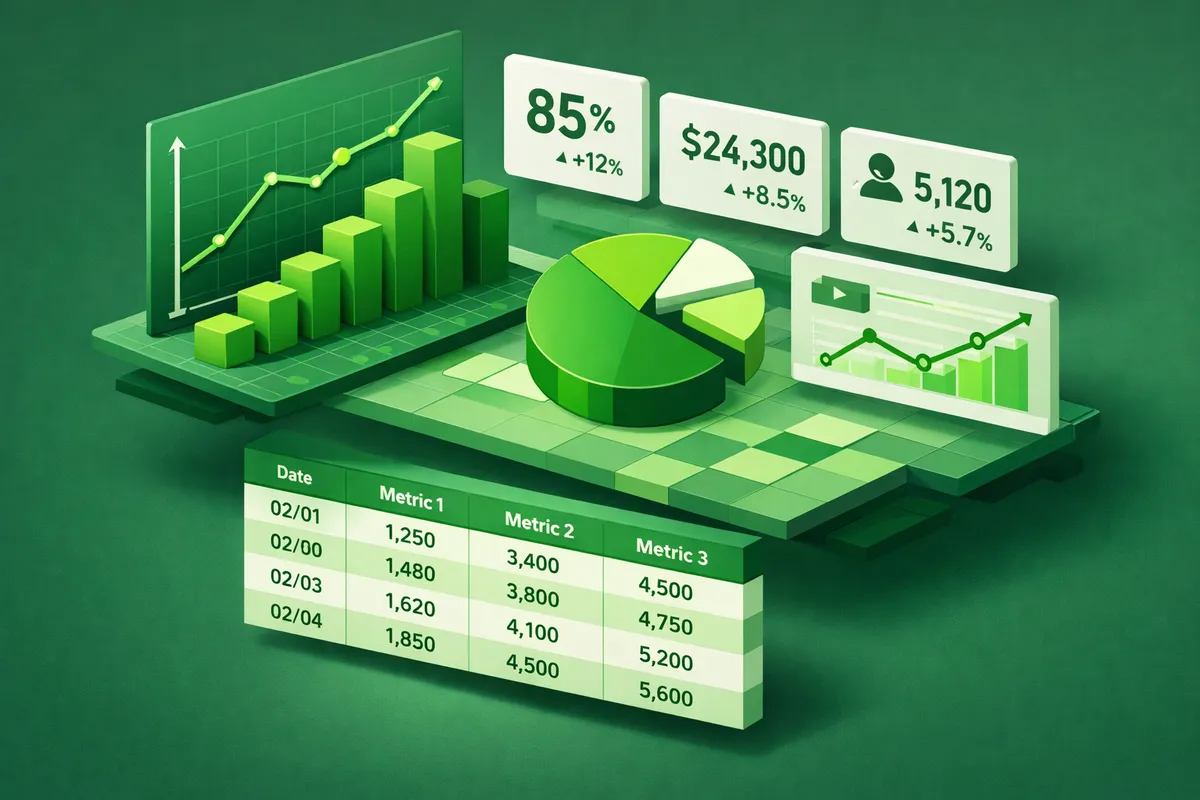
After the tracking layer is solid, we build reporting dashboards that your team can actually use. Not dashboards that display every metric available but dashboards organized around the three to five questions you ask every week: Are we getting more new patient inquiries than last year? Which classes have open spots before the weekend? Which marketing source is driving the most in-store traffic this month? These dashboards update automatically and are accessible to everyone on your team without requiring anyone to pull exports.
Industries We Serve in North Center
Pediatric and family medical practices along Western Avenue use analytics to track the full patient acquisition funnel: from the search query that brought a family to the site through the insurance information page, the physician profile view, and the appointment request form. We set up conversion tracking that differentiates phone call bookings from online form submissions so the practice can measure which intake path families prefer and optimize accordingly.
Boutique fitness studios on Lincoln Avenue run class schedules, membership options, and workshop promotions across multiple platforms. Without consolidated reporting, the owner sees Instagram metrics in one tab, website traffic in another, and booking confirmations in a third, with no way to connect them. We build unified dashboards that show which content types drive actual registrations, which day-of-week promotions convert best, and whether the Welles Park-area audience responds differently to offers than the broader Lincoln Avenue foot traffic.
Preschools and early childhood programs near Addison Street and Chicago Waldorf School manage inquiry volume that is intensely seasonal. Analytics allow these programs to compare this August's application traffic against last August's in real time, identify which referral sources (neighborhood Facebook groups, Google search, direct mail) are most productive, and see at what point in the enrollment information pages prospective families drop off and do not submit an inquiry.
Wedding and event planners serving North Center and Roscoe Village operate on long sales cycles where a couple may visit the site five or six times across several months before making contact. Multi-touch attribution reporting shows which touchpoints appear most in the paths of couples who eventually book, so marketing spend can be weighted toward those channels rather than the ones that get the last click without doing the relationship work.
Family restaurants and neighborhood dining spots on Irving Park Road and Lincoln Avenue use analytics to measure table reservation conversion rates, online order attach rates, and the effect of seasonal menu promotions on visit frequency. We connect their reservation platform data to site analytics so they can see which pages and promotions directly precede bookings, not just which ones generate traffic.
Boutique retail stores on Damen Avenue, particularly those selling children's products or home goods to North Center families, use analytics to understand which product category pages drive purchases versus which ones function as research stops with no conversion. That distinction shapes merchandising decisions, email promotion strategy, and how inventory is presented on the site.
What to Expect Working With Us
1. Measurement audit and tracking gap analysis. In the first week we review your existing analytics setup, identify what is firing incorrectly or not at all, and map the gaps against the business questions you most need to answer. For a North Center family practice, that often means finding that the appointment form submission is not tracked, the phone call click is not captured, and the insurance page which drives 40% of drop-offs has no scroll tracking to show where visitors abandon it.
2. Tracking implementation and QA. We implement corrected tracking using your tag management system or direct code, then QA every event in a staging environment before it goes live. This step is non-negotiable: bad data is worse than no data because it produces confident wrong decisions. We test every conversion event, every campaign parameter, and every integration point before signing off.
3. Dashboard build calibrated to your seasons. We build reporting dashboards around your business calendar, not a generic template. For a North Center preschool, that means year-over-year inquiry comparison is built in from day one. For a fitness studio, the class fill-rate view is the first thing anyone sees when they open the dashboard. For a wedding planner, the lead stage pipeline view shows where couples are in the booking cycle at any given time.
4. Monthly reviews and quarterly strategy sessions. Data is only useful if someone reads it regularly and draws conclusions. We meet with North Center clients monthly to walk through the reporting, surface what changed and why, and adjust campaign or conversion strategy based on what the data shows. Every quarter we do a deeper review that looks at trends across the full year and recommends structural changes to targeting, channel mix, or site architecture.