How We Build AI Integration Services for North Center
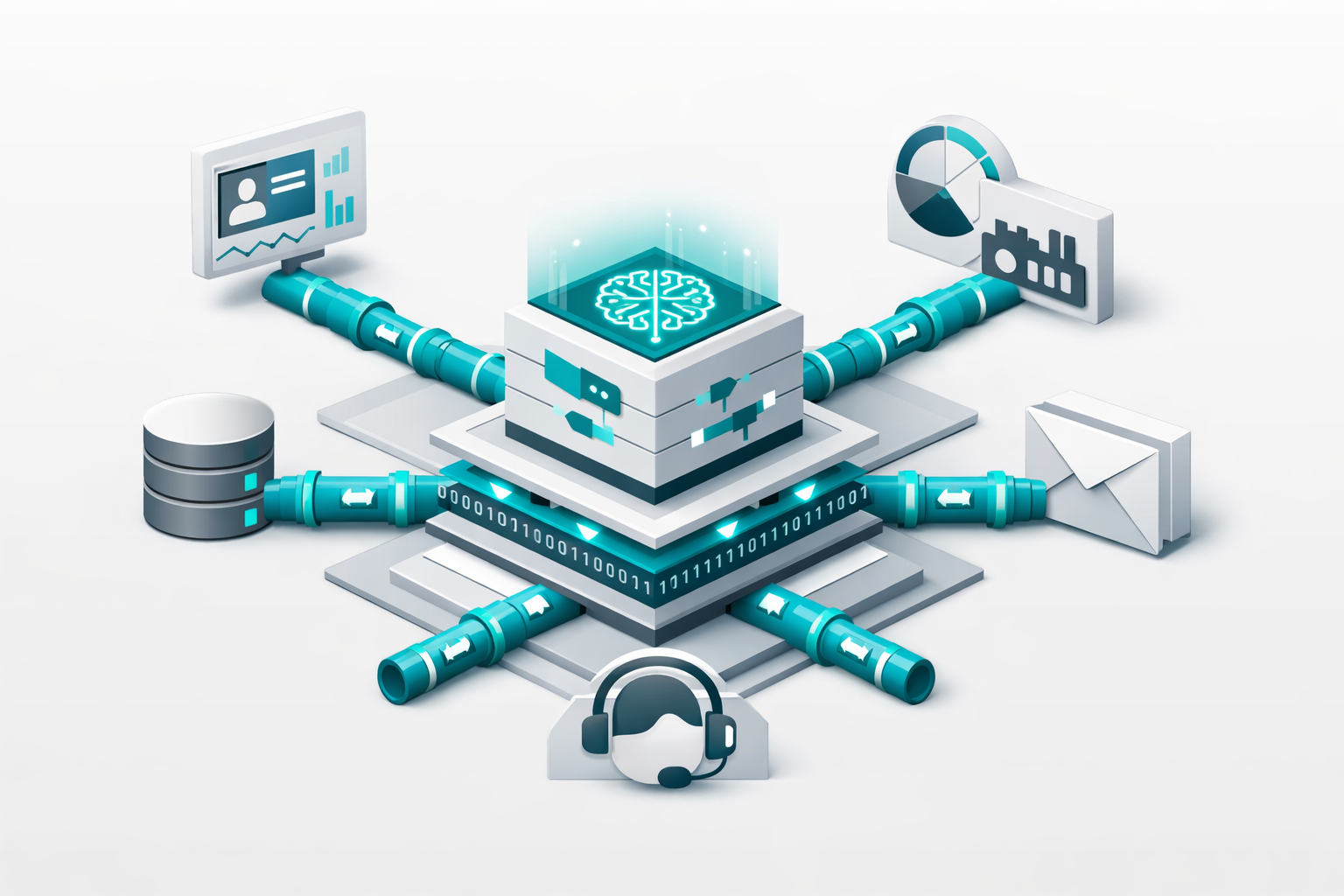
Integration projects start with a system map. We document every software tool your North Center business currently uses, the data each tool contains, and the workflows that depend on that data. This map reveals the integration points that enable each AI use case you want to achieve.
API assessment follows the map. Most modern software exposes APIs that allow integration. We assess which tools support integration natively, which require middleware, and which have limitations that affect the integration design. For North Center businesses using older practice management systems or legacy scheduling software, we identify workarounds that achieve the same result when direct API integration is not available.
Integration build is performed and tested against your actual systems before production deployment. We do not use sample data. We test with your real environment to ensure that data flows correctly, edge cases are handled, and error conditions produce appropriate alerts rather than silent failures. For North Center medical practices on Western Avenue where data accuracy is a compliance requirement, this testing standard is non-negotiable.
Industries We Serve in North Center
Pediatric and family medical practices on Lincoln Avenue and Western Avenue use multiple specialized systems: practice management, scheduling, billing, patient communication, and sometimes clinical documentation. AI tools that need to interact with these systems require integrations built for the specific platforms in use. We integrate AI tools with the practice management systems that North Center medical practices actually use.
Home renovation and construction contractors working near Horner Park and across North Center use estimating, project management, accounting, and supplier management tools. AI tools for scheduling, communication, and document processing all need to connect to these systems to deliver value. We build and maintain these integrations for contractors who do not have internal IT support.
Fitness studios and wellness businesses near Welles Park and along Damen Avenue use scheduling, billing, and member communication platforms. AI tools for member retention, scheduling optimization, and communication automation need integrations with these platforms to function correctly. We connect AI tools to the scheduling and membership systems that North Center fitness businesses use.
Specialty retail businesses on Lincoln Avenue use POS, inventory management, and customer communication systems. AI tools for personalized marketing, inventory forecasting, and customer service need access to the data in these systems. We build the integrations that allow AI tools to see current inventory, customer purchase history, and order status.
Educational services and tutoring centers near the Chicago Waldorf School on Damen Avenue use scheduling, student management, and parent communication systems. AI tools for enrollment management, session scheduling, and communication automation require integrations with these platforms to avoid the manual data entry that currently takes administrative time.
Professional service businesses including attorneys, financial advisors, and insurance professionals on Irving Park Road and Lincoln Avenue use CRM, billing, document management, and communication systems. AI tools that assist with document review, client communication, and scheduling require integrations with these professional service platforms.
What to Expect Working With Us
1. System map and API assessment. We document your current software stack, assess the integration options available for each tool, and design the integration architecture that enables your target AI use cases. You see the complete picture before any build begins.
2. Integration design and review. We present the integration design for your review, explain what each connection does and why, and confirm alignment with your business requirements before building.
3. Build, testing, and deployment. We build the integrations, test against your actual systems using real data, and deploy to production only after validation is complete. We document every integration so you understand what is running and why.
4. Monitoring and maintenance. We monitor integration health during the first sixty days and address any issues. We notify you proactively when underlying software updates require integration adjustments, so you are not caught off guard by a tool that stops working.