How We Build Multi-Agent Systems for Mount Greenwood
We start by documenting your current complex workflows. Where does information originate. What happens to it as it flows through your organization. Who needs to do what, in what order. Where do bottlenecks happen. Where is information lost or duplicated. We interview multiple people involved in key processes to understand the full picture.
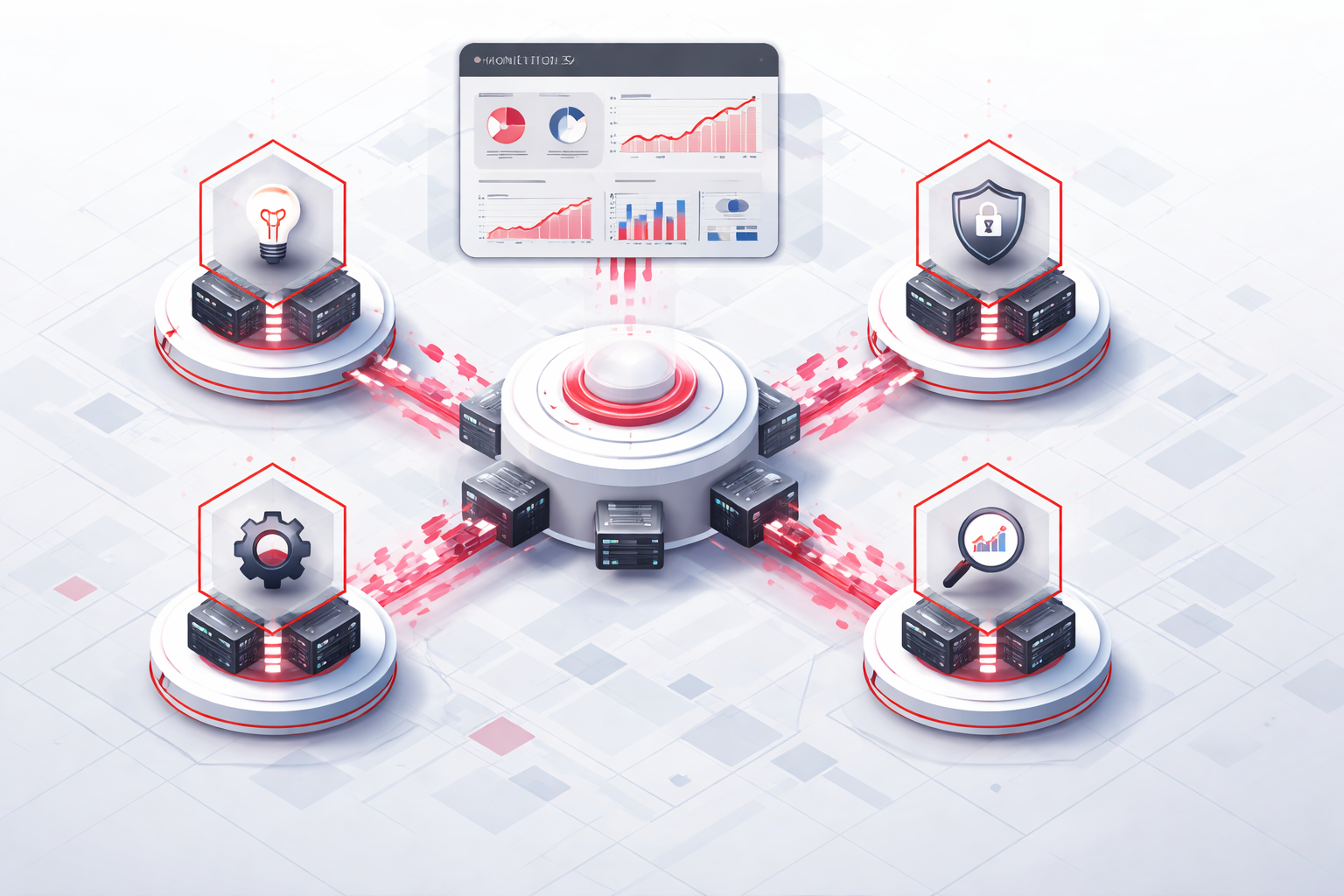
We then design a multi-agent system to handle the workflow. We sketch out which agents you need. The communication agent handles client inquiries. The analysis agent reviews the request. The planning agent creates a plan or proposal. The execution agent coordinates fulfillment. The reporting agent generates documentation or billing. We design the handoffs between agents so information flows smoothly.
We build the agents with your specific business logic, terminology, and decision criteria. The communication agent learns your sales process and tone. The planning agent learns your estimation process and assumptions. The execution agent learns your scheduling constraints and procurement relationships. Each agent is specific to your business.
We integrate the system with your existing tools. Information flows from your CRM into the agent system. Proposals are generated and automatically sent. Schedules update your calendar system. Billing integrates with your accounting system. You continue using your existing tools. The agents work transparently in the background.
We monitor system performance and refine agent behavior. If agents are miscommunicating with each other, we adjust. If a handoff is getting stuck, we improve it. We test with real workflows until the system runs smoothly.
Industries We Serve in Mount Greenwood
Contractors and Home Services. Contractors use multi-agent systems to coordinate project intake, estimation, scheduling, procurement, execution, and invoicing. A client call triggers the entire workflow. The communication agent qualifies the opportunity. The estimation agent prepares a proposal. The scheduling agent books the job. The procurement agent orders materials. The execution agent coordinates the crew. The billing agent invoices upon completion. Work flows smoothly from opportunity to payment.
Accounting and Professional Services. Accounting firms and professional services use multi-agent systems to coordinate client intake, document preparation, review, and delivery. A new client intake triggers the workflow. The intake agent collects necessary information. The preparation agent builds initial documents. The review agent ensures quality. The delivery agent sends final work and invoices. The relationship agent follows up.
Insurance Agencies. Insurance agencies use multi-agent systems to coordinate policy inquiries, quote generation, underwriting, and policy issuance. A client inquiry triggers the workflow. The inquiry agent qualifies the need. The quote agent generates quotes. The underwriting agent works with carriers. The policy agent completes issuance. The relationship agent follows up.
Family Restaurants. Restaurants use multi-agent systems to coordinate reservations, inventory, supplier relationships, and special event planning. A reservation request triggers coordination between the reservation agent (confirming the booking), the kitchen agent (checking capacity), the inventory agent (ensuring ingredients), and the event agent (if it is a special occasion). All coordination happens automatically.
Retail and Community Businesses. Retail operations use multi-agent systems to coordinate customer inquiries, inventory management, supplier ordering, and sales. A customer inquiry triggers the sales agent. The inventory agent checks stock. The supplier agent coordinates with vendors if needed. The transaction agent completes the sale.
Medical and Dental Practices. Medical practices use multi-agent systems to coordinate patient intake, appointment scheduling, insurance verification, clinical preparation, and follow-up. A patient call triggers the intake agent. The scheduling agent books the appointment. The insurance agent verifies coverage. The clinical agent prepares records. The follow-up agent ensures next steps.
What to Expect Working With Us
1. Workflow Mapping. We document your current complex workflows in detail. We interview people involved in key processes. We identify bottlenecks and coordination challenges.
2. Agent System Design. We design the multi-agent system that will handle your workflow. We explain the agents, their specialties, and how they coordinate. We show how the system replaces current manual coordination.
3. Agent Development. We build each agent with your specific business logic and terminology. We integrate with your existing tools. We test extensively with real workflows.
4. Deployment and Training. We deploy the system into your environment. We train your team on how the system works. We show them how to intervene if needed and how to refine agent behavior.
5. Optimization and Expansion. We monitor system performance and refine agent coordination. As your business grows, we add new agents or expand existing ones to handle additional workflows.