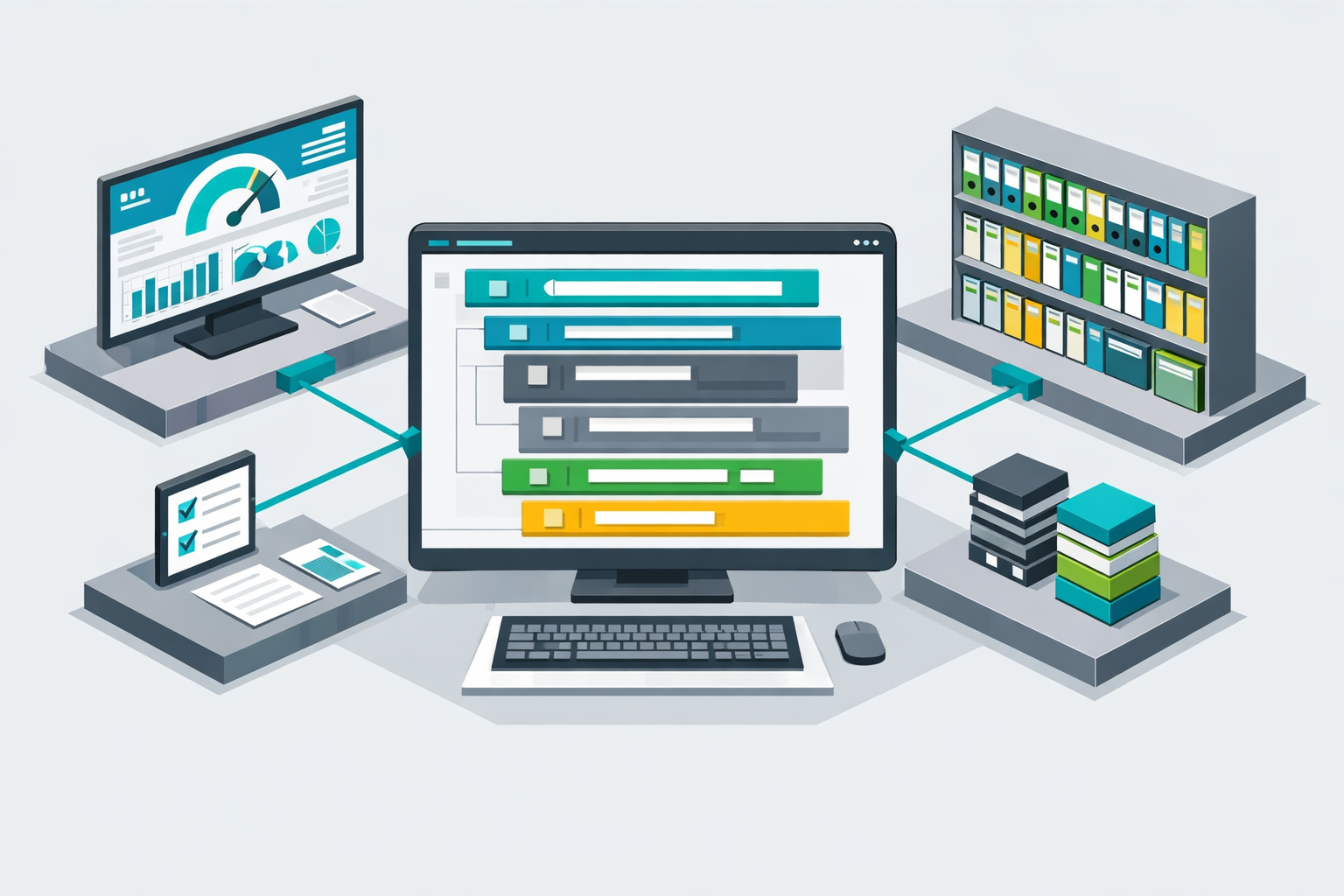
How We Build Prompt Libraries for McKinley Park
We start by auditing how your business currently uses AI and where you spend the most time writing. Most McKinley Park small business owners have two or three tasks that account for the majority of their writing time: proposals, customer follow-up emails, social media posts, supplier communications, job summaries. Those tasks become the core of the prompt library.
For each task, we develop a prompt template that includes the specific context your business needs. For a family restaurant on Archer Avenue, the social content prompt includes the restaurant's voice, typical dish descriptions, the neighborhood's character, and the audience's expectations. For a contractor on Western Avenue, the proposal prompt includes service descriptions, warranty language, typical project scope parameters, and the professional tone that converts estimates into signed contracts.
We test every prompt against real business scenarios before delivering the library. Prompts that produce inconsistent or off-brand output get revised until they work reliably. You receive a library of prompts that have been validated against your actual business context, not theoretical use cases.
Delivery includes a training session that teaches your team how to use the prompts, how to adapt them for variations in standard situations, and how to add new prompts to the library as your AI use expands. Thirty days of follow-up support is included.
Industries We Serve in McKinley Park
Contractors and trades businesses throughout McKinley Park and Brighton Park use prompt libraries for proposal drafting, scope of work documentation, client communication emails, subcontractor coordination messages, and review request follow-ups. A contractor who uses a well-engineered proposal prompt produces estimates in half the time and with more consistent, professional quality.
Family restaurants and food businesses on Archer Avenue use prompt libraries for social media post generation, dish description writing, catering inquiry responses, weekly special announcements, and reservation confirmation messages. Restaurant owners who adopt AI for content generation post more frequently and with more consistent quality than those managing content manually.
Auto service and mechanical shops on Western Avenue and 35th Street use prompt libraries for service explanation content, customer follow-up emails, review response writing, maintenance reminder messages, and team introduction content. Service advisors who use AI for written communications handle more customer volume without sacrificing quality.
Neighborhood grocers and food retailers near Stearns Quarry use prompt libraries for promotional content writing, supplier communication emails, loyalty program messaging, weekly special announcements, and product description content. Grocers who use AI for written marketing produce more content with less time investment.
Family medical practices on Ashland Avenue use prompt libraries for patient communication templates, health education content, policy documentation, staff training materials, and referral communication letters. Practice managers who use AI for written communications reduce drafting time and improve consistency across patient-facing documents.
Small warehouses and logistics operations near Bubbly Creek use prompt libraries for client update communications, operational report writing, proposal responses, and compliance documentation. Operations managers who use AI for written communications handle more client relationships with the same administrative capacity.
What to Expect Working With Us
1. Writing task audit. We review what your team currently writes most frequently and where the most time is spent. We identify the five to ten task types that will deliver the most value if supported by engineered prompts. One to two days.
2. Prompt development and testing. We write custom prompts for each identified task type, test them against real scenarios from your business, and refine until outputs are reliably close to final. One to two weeks.
3. Library delivery and training. We deliver the prompt library in a format your team can use immediately and run a training session showing staff how to use each prompt effectively. We also cover how to create new prompts as your AI use expands. Two to three hours.
4. Post-delivery support. Thirty days of access for questions as your team begins using the library in real operations. We help troubleshoot prompts that are not producing expected outputs and revise any that need adjustment based on real-world use.