How We Build Custom ERP for McKinley Park
Every McKinley Park engagement begins with an operations audit that goes deeper than requirements gathering. We spend time in the operation observing how work actually moves: how jobs enter the system, how materials are tracked, how shipping and receiving works, how customer communication happens, and where the manual effort is concentrated. McKinley Park manufacturers operate under workflows that have been refined over years and would be wrong to disrupt. The custom ERP needs to match how the shop runs, not impose a generic ERP model.
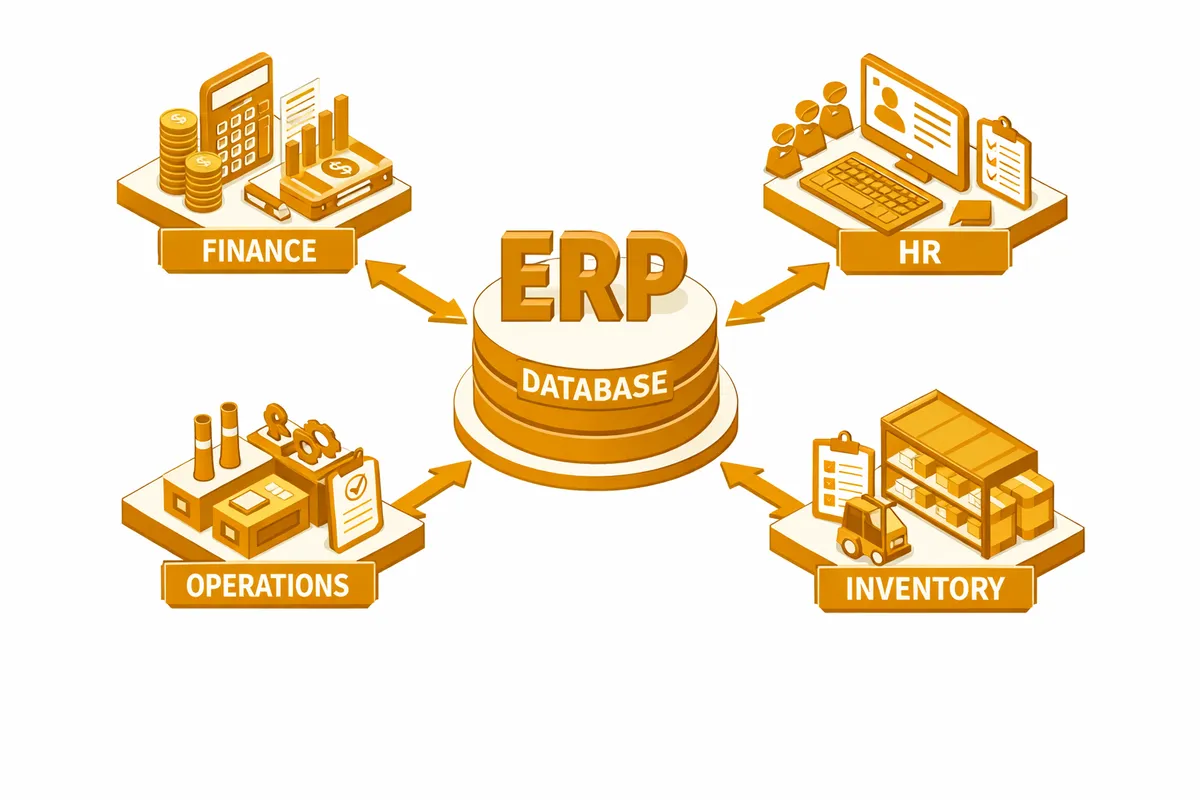
From the operations audit, we design a module structure and data model that addresses your specific operations. For a job-shop fabricator near McKinley Park, that typically means a job management module, a material inventory module with real-time allocation, a purchasing module with vendor lead time tracking, and a financial reporting module that produces job costing and profitability analysis your current tools cannot generate. For a distributor on Western Avenue, it means a purchasing module with automated reorder logic, a warehouse management module with slotting and pick/pack workflow, an accounts receivable module with aging and collections reporting, and a customer portal for order status.
We implement in phases, with the highest-impact module live within twelve to sixteen weeks. Subsequent phases add capability without disrupting what is already working. For McKinley Park's small manufacturers and distributors, this phased approach means you have operational value quickly, and you are not betting the business on a single large-scale cutover.
Industries We Serve in McKinley Park
Metal fabricators and custom manufacturers near the Bubbly Creek industrial zone and along the Archer Avenue corridor need ERP that handles job management, real-time material allocation, production scheduling, and job costing. We build these systems around the specific job types and shop floor workflows used in McKinley Park operations, reducing data entry burden while increasing operational visibility.
Small distributors and logistics businesses on Western Avenue and Pershing Road need ERP that connects purchasing, warehouse management, and accounts receivable into a single platform. We build with automated reorder logic, warehouse slotting, and pick/pack workflow that reflects how each specific warehouse actually organizes and processes product.
Contractors and trade service businesses operating from the McKinley Park area often manage labor, subcontractors, materials, and billing across dozens of active jobs. We build job management and billing ERP that handles complex multi-subcontractor jobs, time tracking, and profitability analysis that is not possible with QuickBooks alone.
Family-run restaurants and food businesses near McKinley Park (the park itself) that have expanded to catering or wholesale need ERP connecting kitchen production, ingredient inventory, catering order management, and wholesale invoicing. We build food business ERP that is simple enough for a family operation to maintain without dedicated IT staff.
Auto service and repair businesses along 35th Street and Ashland Avenue managing parts inventory, labor tracking, customer vehicle history, and warranty claims benefit from custom ERP that connects service management to parts purchasing and customer communications in a single system.
Small warehouses and storage businesses in the Pershing Road and Archer Avenue industrial corridor need inventory management, client billing, and space allocation systems. We build these with mobile access for warehouse floor staff and web access for clients who need self-service visibility into their stored inventory.
What to Expect Working With Us
1. Operations audit. We spend time in your McKinley Park operation observing workflows, mapping data flow, and identifying where manual effort is concentrated. The audit produces a requirements document grounded in how your business actually runs, not how a generic ERP vendor thinks a business in your industry should run.
2. System design and phased plan. We design the module structure, data model, and integration architecture, then lay out a phased implementation plan. You review and approve before any development begins. The phase plan shows you what you get first and when.
3. Phased implementation. Highest-impact modules are live within twelve to sixteen weeks. Each phase adds capability to a working operational foundation rather than requiring a complete cutover.
4. Post-launch support and operational validation. We stay with the team through the first operational period after launch, tuning the system against real operation. Optional maintenance retainers cover additions and modifications as the business evolves.