How We Build Multi-Agent Systems for the Loop
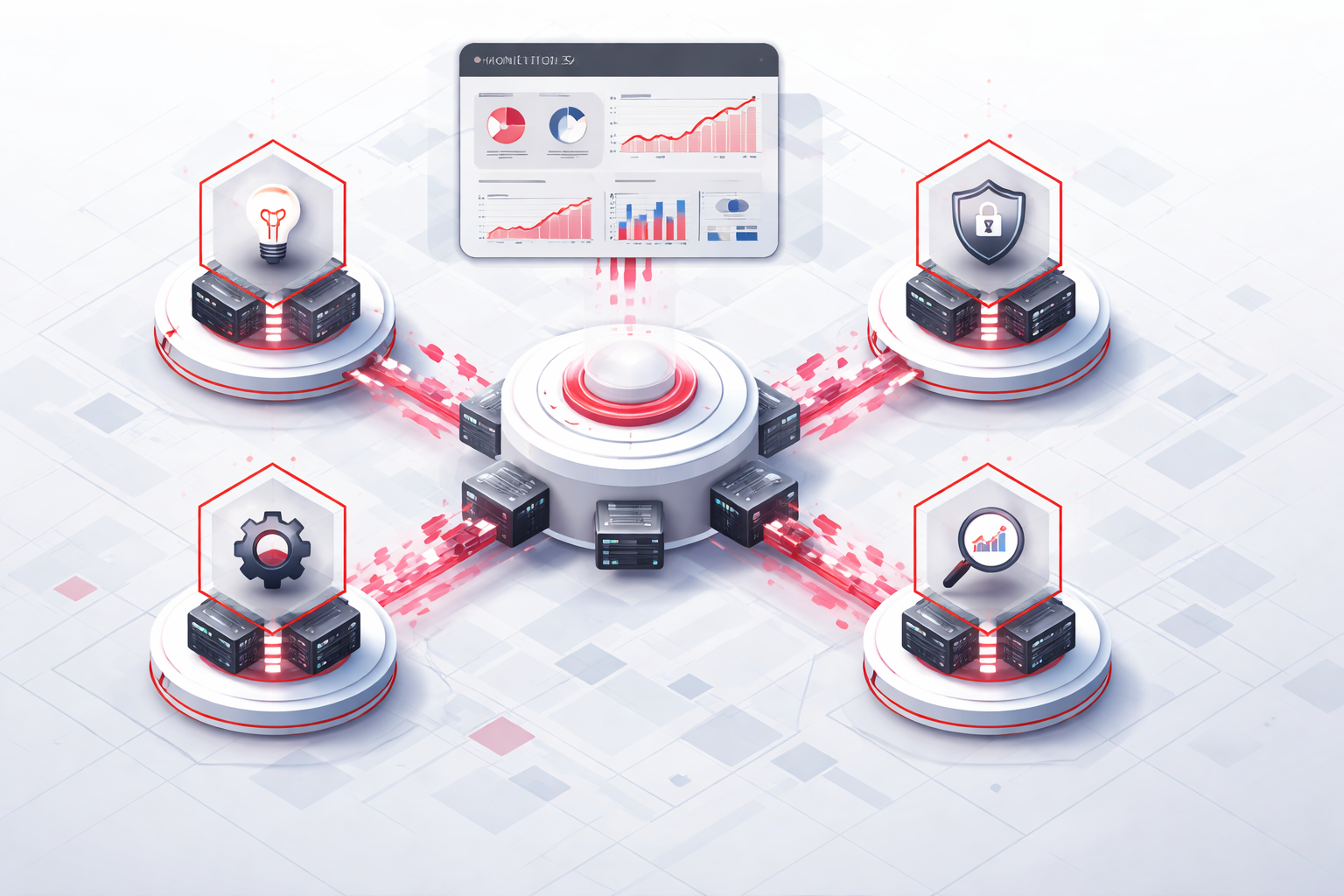
Multi-agent system design for Loop organizations begins with a workflow decomposition session. We analyze the target workflow into its component tasks, identify the distinct capabilities required for each task, and map the dependencies between tasks that determine the agent coordination sequence. For a LaSalle Street law firm's due diligence workflow, this decomposition identifies the research tasks, the document analysis tasks, and the synthesis tasks as distinct capabilities requiring specialized agents.
Agent architecture design follows the workflow decomposition. We design the specific agents required for each capability, the tools and data sources each agent needs to access, and the coordination protocol that governs how agents pass information and results between each other. For regulated industries, the agent architecture includes the human review checkpoints that must occur before agent-produced outputs are used in client-facing or regulatory contexts.
Orchestration layer design governs how the multi-agent system manages task sequencing, handles agent failures, and routes exceptions for human review. For Loop professional service organizations where a multi-agent system failure in a time-sensitive workflow could have professional consequences, the orchestration layer design is as important as the agent design. The orchestration layer ensures that the system fails safely, alerts the responsible professional, and maintains a complete log of every agent action and decision.
Industries We Serve in the Loop
Law firms on LaSalle Street benefit from multi-agent systems for due diligence processes that coordinate research, document analysis, and synthesis agents; discovery review workflows that coordinate relevance classification, privilege screening, and issue coding agents; and contract review systems that coordinate clause extraction, risk classification, and redline generation agents.
Investment management and financial advisory firms on Wacker Drive benefit from multi-agent systems for investor reporting workflows that coordinate data retrieval, analytics, and narrative writing agents; compliance monitoring systems that coordinate position limit, trade restriction, and regulatory reporting agents; and investment research systems that coordinate market data retrieval, financial analysis, and research summarization agents.
Consulting and professional services firms along Wacker Drive and Madison Street benefit from multi-agent systems for proposal development workflows that coordinate client research, relevant experience retrieval, and proposal drafting agents; engagement knowledge synthesis systems that coordinate document retrieval, insight extraction, and deliverable drafting agents; and market analysis workflows that coordinate data collection, analysis, and report generation agents.
Commercial banks and financial institutions with Loop operations benefit from multi-agent systems for credit analysis workflows that coordinate financial statement analysis, industry research, and credit memorandum drafting agents; regulatory reporting workflows that coordinate data extraction, format transformation, and submission preparation agents; and customer due diligence systems that coordinate identity verification, risk assessment, and documentation assembly agents.
Professional associations near the Chicago Cultural Center benefit from multi-agent systems for research publication workflows that coordinate literature retrieval, synthesis, and publication formatting agents; conference management systems that coordinate abstract review, scheduling optimization, and communication distribution agents.
Corporate legal and compliance departments in Loop towers benefit from multi-agent systems for contract lifecycle management that coordinates drafting, review, negotiation tracking, and execution agents; regulatory monitoring systems that coordinate rulemaking tracking, impact assessment, and policy update notification agents.
What to Expect Working With Us
1. Workflow decomposition and agent architecture design. We analyze the target workflow, decompose it into component tasks with distinct capability requirements, and design the specific agents and coordination protocol that will execute the workflow. Human review checkpoints are defined in the architecture before build begins.
2. Agent development and tool integration. We develop the specialized agents, integrate them with the data sources and tools they need to access, and test each agent individually before integration into the multi-agent system.
3. Orchestration layer build and integration testing. We build the orchestration layer that coordinates agent execution, test the complete multi-agent system against representative workflow instances, and validate that the system handles exception conditions correctly before production deployment.
4. Production deployment, monitoring, and optimization. We deploy the system to production with monitoring that tracks each agent's performance, the orchestration layer's coordination accuracy, and the quality of the final outputs. We refine agent performance and coordination logic based on production data.