How We Build Content Marketing for the Loop
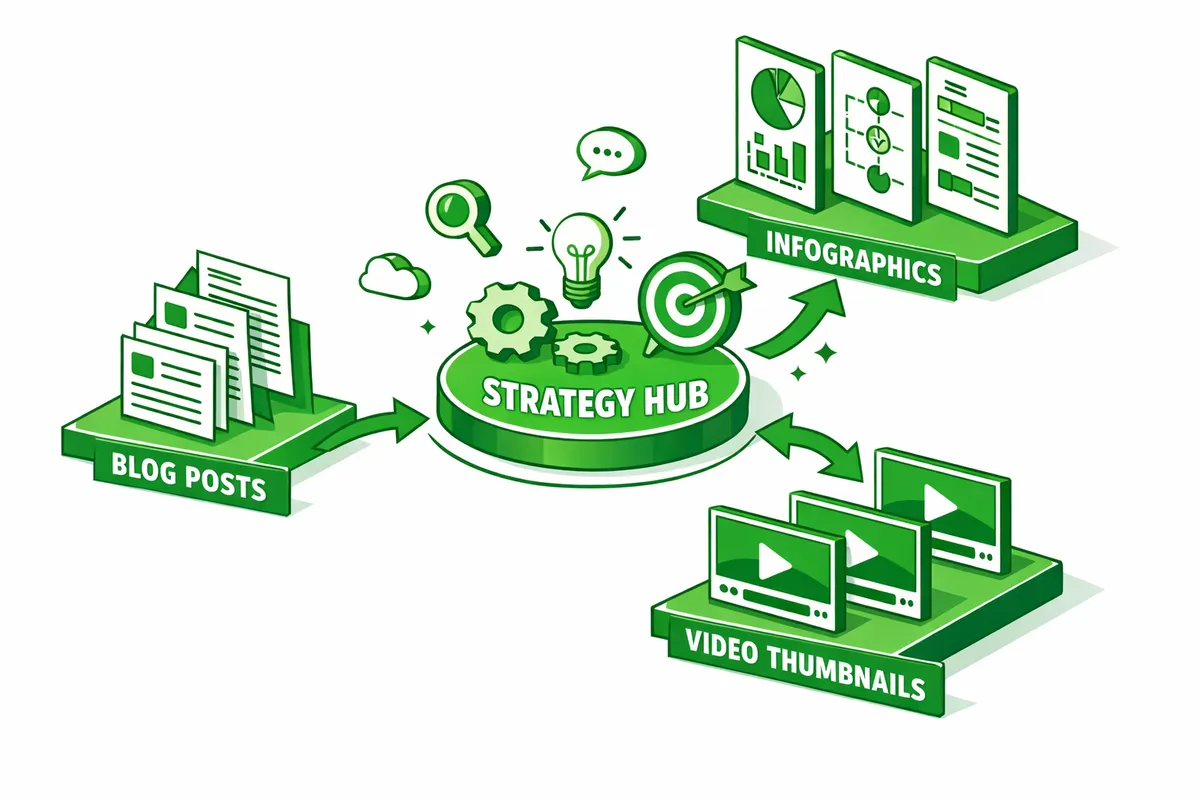
Content marketing strategy for Loop organizations begins with an audience and expertise mapping session. We identify the specific client audiences the organization is reaching, the specific expertise those audiences will find valuable, and the content formats and distribution channels that reach them most effectively. For a LaSalle Street securities litigation firm, the audience is general counsel at public companies and private equity portfolio companies, the expertise is litigation strategy and Seventh Circuit securities law, and the primary distribution channels are email newsletters, LinkedIn, and the firm's own website. The mapping session produces the governing framework for all production decisions.
Content calendar development translates the audience and expertise map into a publication schedule calibrated to the organization's production capacity. Consistent publication of high-quality content over twelve to twenty-four months is worth more than intermittent bursts of exceptional output. The calendar identifies specific topics, formats, and publication timing for each cycle, and builds in the review and compliance approval steps required in the Loop's professional environment. For investment firms publishing market commentary, FINRA communication compliance is part of the production workflow. For law firms publishing client alerts, Illinois bar advertising guidelines are built into every review step.
Content production and distribution manages the research, writing, editing, publication, and performance tracking workflow. We produce content to the standard that Loop professional audiences expect: specific, analytically grounded, and written with awareness of the professional environment in which it will be read. Generic content about broad topics does not earn the credibility that Loop professional organizations need from their published work. Specific, current, expert content does.
Industries We Serve in the Loop
Law firms on LaSalle Street benefit from content programs that produce client alerts on regulatory and legal developments relevant to key practice areas, analytical articles that establish individual attorney expertise in specific areas of Illinois and federal law, practical guides for corporate clients managing defined legal risk categories, and email newsletters that maintain relationship presence with existing clients and referral sources between active matters. The Board of Trade Building and the financial institutions on Wacker Drive create specific demand for financial regulatory and securities law content published by Loop law firms.
Investment management and financial advisory firms on Wacker Drive benefit from content programs that produce quarterly market commentary and investment perspective for existing and prospective investors, letters that communicate portfolio performance in the context of the investment thesis, and white papers that demonstrate the analytical depth and investment philosophy that differentiate the firm when institutional investors are conducting competitive manager research. Content published consistently over multiple market cycles builds a publication record that functions as evidence of process and discipline.
Consulting and professional services firms along Wacker Drive and Madison Street benefit from content programs that produce industry-specific analysis demonstrating client-relevant expertise, benchmarking reports that generate media coverage and industry visibility, and thought leadership that positions the firm's principals as recognized voices in the professional communities their clients belong to. A Loop consulting firm that publishes the definitive ongoing analysis of Illinois financial services regulatory change is the first call for any financial services company facing those changes.
Professional associations near the Chicago Cultural Center benefit from content programs that produce member publications, policy analysis and advocacy content, conference preview and recap content that extends the value of annual events throughout the year, and research reports demonstrating the association's value to its professional community. The cultural and intellectual weight of the Chicago Cultural Center building creates an editorial standard that Loop professional associations have historically honored in their publications.
Commercial real estate firms with Loop offices benefit from content programs that produce Loop and downtown Chicago market reports, transaction analysis, and development pipeline tracking that position the firm's market expertise in front of corporate real estate decision-makers and institutional investors. The concentration of Class A office buildings on Wacker Drive and LaSalle Street, and the ongoing commercial real estate evolution between Randolph Street and Madison Street, provides content material that no national generalist can match.
Hospitality and event venues along State Street and near Millennium Park benefit from content programs that produce event planning guides, venue showcase content tied to the Loop's specific corporate event landscape, and trend analysis positioning the venue as a resource for event planners. A venue that helps planners do their jobs through useful content earns a position in the consideration set before a single sales conversation.
What to Expect Working With Us
1. Audience and expertise mapping. We identify the specific audiences, expertise, and formats that constitute an effective content program for the organization. The mapping produces a content strategy document that governs all subsequent production decisions and establishes the standard of specificity we hold every piece of content to.
2. Content calendar development and production planning. We develop a publication calendar that is achievable within the organization's capacity, identifies specific topics and formats for each cycle, and builds in the compliance review steps required for the organization's professional obligations. The calendar converts content strategy from intention to execution.
3. Content production and compliance review. We manage the research, writing, and editing process, and integrate the compliance review steps required for the organization's professional environment. Client alerts must reflect current law. Market commentary must comply with applicable FINRA or SEC communication standards. Production quality reflects the standard Loop professional audiences hold all published work to.
4. Distribution and performance measurement. We distribute content through the channels most relevant to the target audience and track the metrics that indicate whether the program is producing the business development outcomes it is designed for: inbound inquiry volume, referral network engagement, and organic search visibility. Performance data informs the content calendar for subsequent publication cycles.