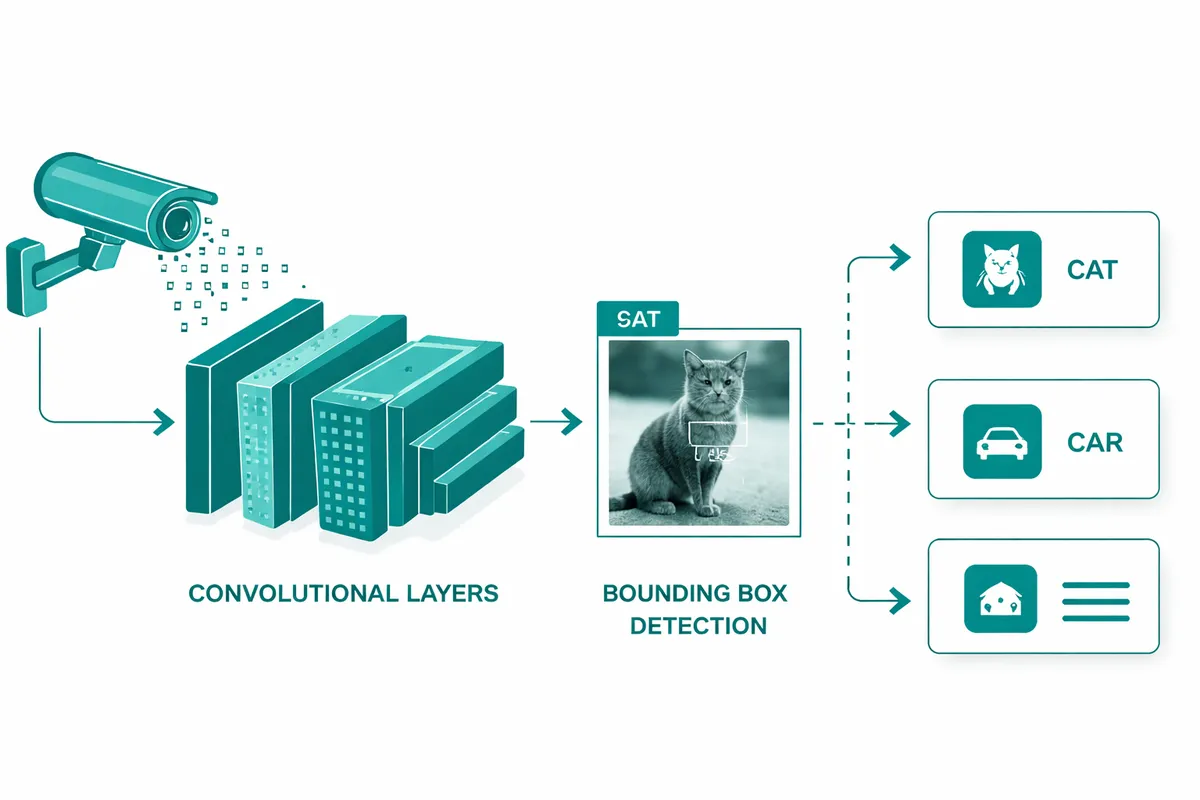
How We Build Computer Vision for the Loop
Visual workflow audit. We map every significant visual information processing workflow in your organization. What types of documents do you scan and process? What visual verification steps occur in operational processes? What security monitoring is currently in place and what monitoring gaps exist? We assess the volume, document type diversity, and processing requirements to design an appropriate computer vision solution.
Model selection and training. We select computer vision models appropriate to your specific use cases and train or fine-tune them on samples from your actual document population. Generic computer vision models trained on general datasets perform poorly on domain-specific documents like legal contracts, financial instruments, and compliance forms. Training on your actual document types produces dramatically better extraction and classification accuracy.
Confidence threshold calibration. We calibrate confidence thresholds that determine when the system's output is reliable enough to process automatically versus when the system should flag the item for human review. The right thresholds depend on the consequences of errors: high-stakes items warrant conservative thresholds that send more items to human review; routine processing items can use higher automation rates with fewer human reviews.
Workflow integration. We integrate computer vision outputs into your operational workflows. Extracted document data flows into your practice management, accounting, or CRM systems. Security monitoring alerts route to your security team through appropriate notification channels. Classification outputs drive automated routing decisions in your document management system.
Monitoring and continuous improvement. We monitor accuracy rates, exception rates, and error patterns after deployment. We use production error patterns to refine models and improve accuracy over time. Most computer vision systems improve meaningfully in the first six months of production operation as they encounter more variation in the actual document population.
Industries We Serve in the Loop
Law firms and legal practices on LaSalle Street, Dearborn Street, and throughout the Loop deploy computer vision to extract structured data from scanned contracts, court documents, and intake forms; classify incoming documents by agreement type and practice area for automatic routing; detect signatures and verify execution completeness on closing documents; and process legacy paper file scans for incorporation into digital matter management systems. Paralegal time shifts from document reading to higher-value analysis.
Financial services firms and banks along Wacker Drive deploy computer vision for check image processing and fraud detection, compliance document verification, identity document authentication for KYC workflows, and physical security monitoring at branch and office locations. Real-time processing enables fraud detection before transactions settle rather than discovering fraud after the fact.
Accounting and audit practices headquartered in the Loop deploy computer vision for invoice image processing, receipt scanning and extraction, financial document classification, and audit evidence document organization. Invoice processing becomes automated rather than manual. Receipt scanning for expense reporting generates structured data without manual entry.
Insurance companies and brokers operating from Loop offices deploy computer vision for claims documentation image processing, damage assessment photo analysis, policy document classification and extraction, and compliance documentation verification. Claims intake processing becomes faster and more consistent.
Commercial real estate firms and property management organizations throughout the Loop deploy computer vision for lease document scanning and data extraction, building inspection documentation processing, access control verification at managed properties, and security monitoring of lobbies and common areas in Class A office buildings.
Corporate offices of major organizations with Loop headquarters deploy computer vision for visitor management and access control verification, sensitive area monitoring, mailroom document processing, and physical security monitoring. Security teams move from footage review to real-time anomaly detection.
What to Expect Working With Us
1. Visual workflow audit and requirements definition. We map your visual information processing workflows and define the specific computer vision capabilities needed. We assess document type diversity and volume, define accuracy requirements, and identify integration points with your existing systems. This phase typically takes two to three weeks.
2. Model training and accuracy calibration. We train computer vision models on samples of your actual documents or visual environments. We calibrate confidence thresholds based on your accuracy requirements and error tolerance. Training and calibration typically take three to five weeks depending on document type complexity and volume of training samples available.
3. Integration and testing. We integrate computer vision outputs into your operational workflows and conduct testing with real document or video volumes. We validate that accuracy meets requirements and that exception handling works correctly. Integration and testing typically take two to three weeks.
4. Deployment and monitoring. We deploy to production with monitoring of accuracy rates and exception patterns. We refine models based on production error patterns and conduct periodic performance reviews to ensure accuracy remains within acceptable bounds as your document population evolves.