How We Build Autonomous Workflow Agents for the Loop
Workflow agent design for Loop organizations begins with a process mapping session. We document the current execution of every step in the target workflow: the input each step requires, the decision logic at each branch point, the handoffs between staff members, the systems each step touches, and the exceptions that require human judgment. For a LaSalle Street law firm's matter opening workflow, this map might cover twenty discrete steps across five different software systems and four different staff roles.
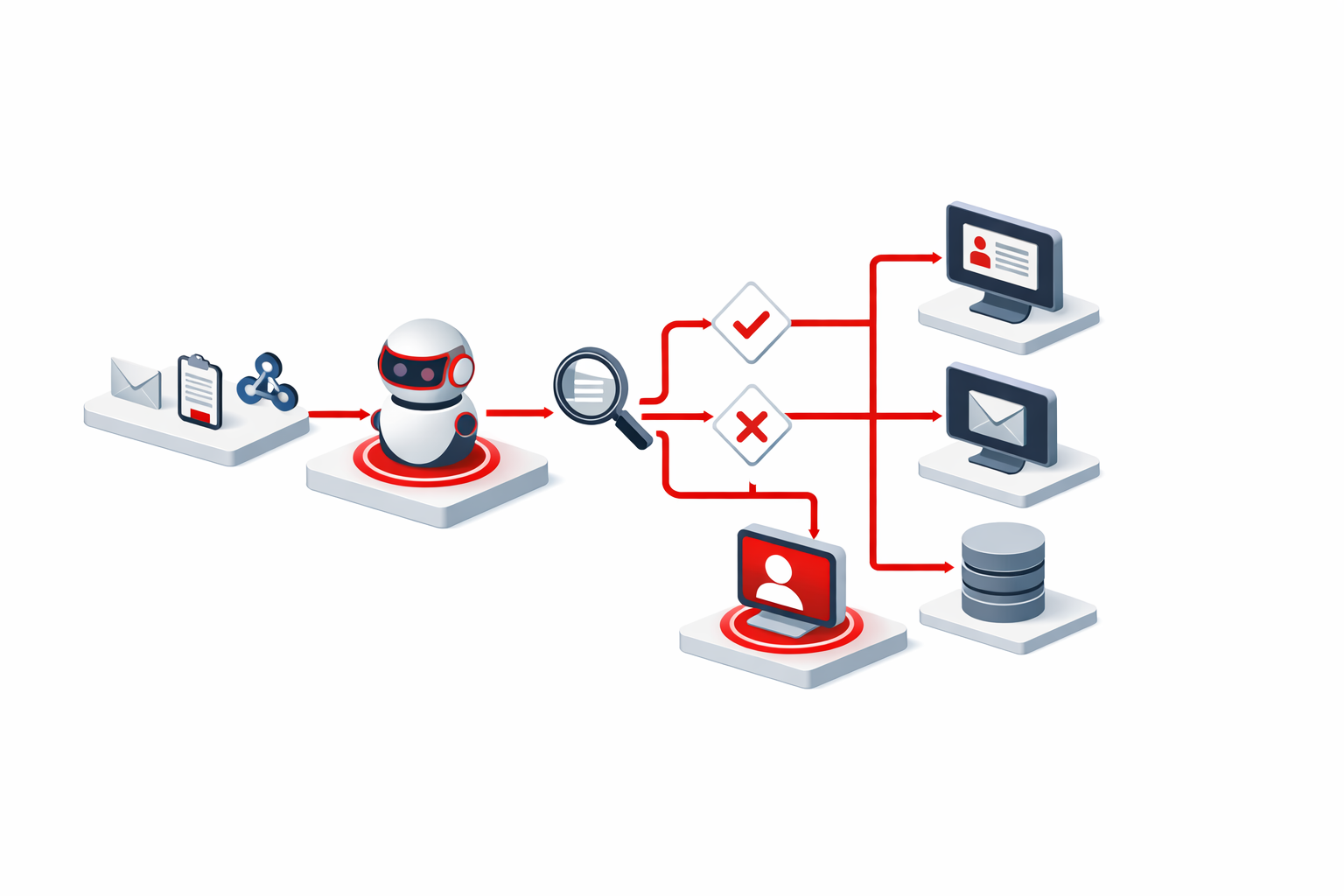
Agent architecture follows the process map. We design the agent logic that replicates the process map in an executable form: the trigger that initiates the workflow, the tool calls and API interactions that execute each step, the decision logic that routes the workflow based on intermediate results, the escalation conditions that require human review, and the completion confirmation that closes the workflow and updates relevant systems.
Compliance and exception handling are built into the agent architecture before any other consideration for regulated Loop industries. The agent design specifies the steps that require human approval before proceeding, the conditions that trigger escalation rather than autonomous completion, and the documentation requirements that satisfy audit and regulatory review. For law firms, the agent never executes steps that require attorney judgment. For financial firms, the agent never makes investment or compliance decisions that must remain with the registered professional.
Industries We Serve in the Loop
Law firms on LaSalle Street benefit from autonomous workflow agents for new matter opening sequences, document production workflows that assemble standard documents from matter data, billing workflow automation that generates and routes invoices, and client onboarding sequences that coordinate the administrative steps around new engagement setup. Agents accelerate these workflows while maintaining the attorney approval steps that professional responsibility requires.
Investment management and financial advisory firms on Wacker Drive benefit from autonomous workflow agents for investor onboarding compliance sequences, subscription document processing workflows, periodic investor reporting distribution, and trade confirmation and settlement coordination. For regulated firms, the agent architecture reflects the compliance sign-off requirements at each step.
Commercial banks and financial institutions with Loop operations benefit from autonomous workflow agents for loan origination process sequences, credit file assembly workflows, regulatory reporting preparation workflows, and customer onboarding compliance sequences. Banking workflow automation must be designed within the model risk management and operational risk framework that bank regulators apply.
Consulting and professional services firms along Wacker Drive and Madison Street benefit from autonomous workflow agents for engagement setup workflows that coordinate staffing, system access, and client onboarding, proposal production workflows that assemble standard proposal components from engagement database inputs, and project closeout sequences that coordinate deliverable archiving, final billing, and client satisfaction review.
Professional associations near the Chicago Cultural Center benefit from autonomous workflow agents for annual conference registration and logistics workflows, member renewal sequences that coordinate payment processing, access updates, and renewal communication, and award and certification application processing workflows.
Hospitality venues along Randolph Street and near Millennium Park benefit from autonomous workflow agents for event booking confirmation sequences that coordinate deposit processing, catering confirmation, and venue setup coordination, and guest service workflows that manage pre-arrival communication and post-stay follow-up.
What to Expect Working With Us
1. Process mapping and workflow design. We document the current execution of the target workflow in complete detail, identify the steps that can be automated, the decision logic at each branch, and the steps that require human approval. The process map is the foundation of the agent architecture.
2. Agent architecture design and compliance review. We design the agent logic, including escalation conditions and human approval gates, and review the architecture with the organization's legal, compliance, and IT leadership before build begins. For regulated industries, compliance review is not optional.
3. Build, testing, and integration. We build the agent, integrate with the organization's systems via API, and test against representative workflow scenarios including edge cases and exception conditions before production deployment.
4. Deployment, monitoring, and continuous improvement. We deploy to production with monitoring that tracks completion rates, exception rates, and processing time. We refine the agent logic based on production data to improve performance and reduce exception rates over time.