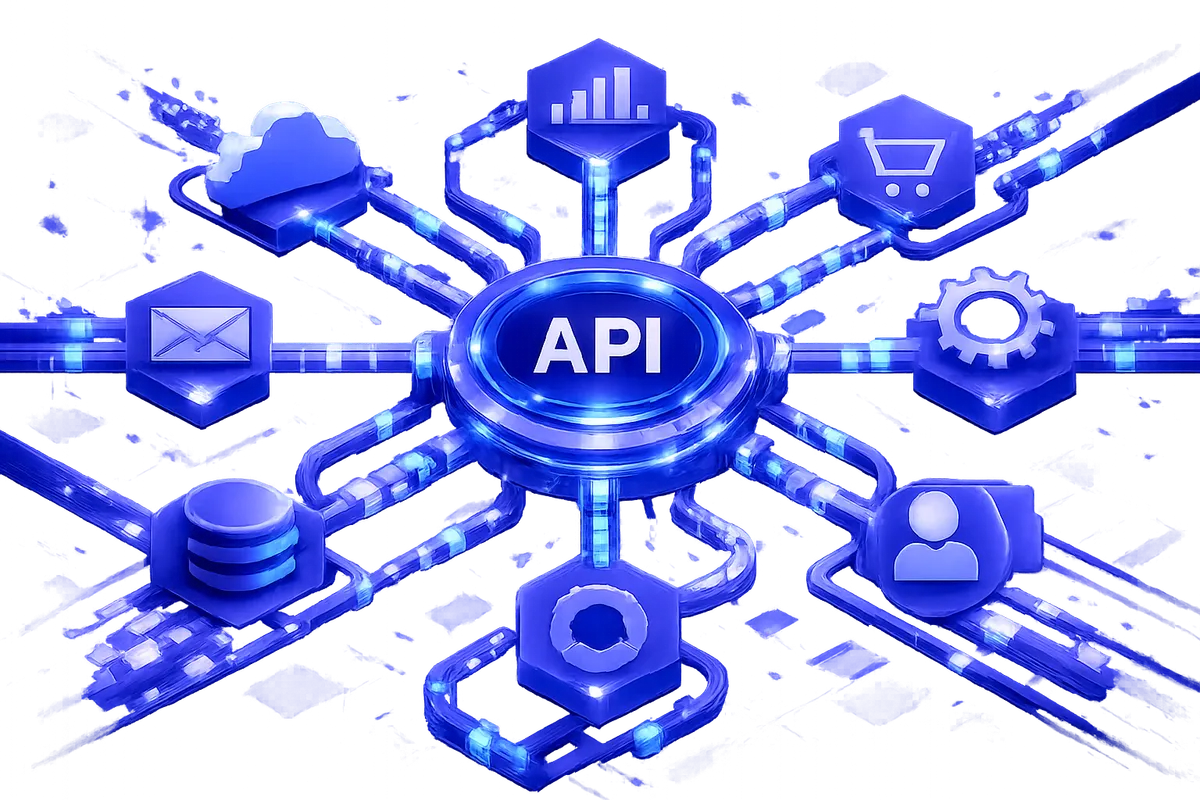
How We Build API Integration Services for the Loop
We approach integration engagements differently than system implementation projects. The goal is not to install a new platform. The goal is to make the platforms you already own work as a coherent system. We start by auditing your current integration landscape: what systems you run, what data each holds, what currently moves between them (manually or automatically), and where the gaps and failures are. For most Loop firms, this audit reveals that 40 percent of manual data handling exists specifically because two systems that should be integrated are not.
From the audit, we build an integration priority matrix. Which connections would eliminate the most manual labor? Which would reduce the most compliance risk? Which are prerequisite for other improvements you want to make? For a financial services firm near the Board of Trade, the highest priority is almost always the reconciliation loop between the portfolio accounting system and the client reporting platform. For a law firm on Randolph Street near the Chicago Cultural Center, it is typically the connection between the practice management system and the billing and accounting platforms.
We use a combination of native vendor APIs, middleware integration platforms, and custom-built connectors depending on what the systems support and what the operational requirements demand. We do not force a one-size tool onto every integration. A high-frequency financial data feed requires different architecture than a nightly membership sync for a professional association on Michigan Avenue. We match the integration pattern to the operational reality.
Every integration we build includes monitoring, error alerting, and retry logic. A data pipeline that fails silently and lets systems drift out of sync is worse than no integration at all. Loop firms have audit obligations and client-facing reporting commitments that make data staleness a real risk.
Industries We Serve in the Loop
Law firms operating along LaSalle Street integrate practice management systems like Clio, Aderant, and Elite with accounting platforms, document management systems, and client portals. The highest-value integration for most legal practices is the matter-to-billing connection: when work is recorded in one system, billing data appears in another without manual export, reducing close cycle time from days to hours.
Across the street from the Board of Trade Building, commodities and futures trading firms use integration services to connect trading platforms to accounting systems, compliance monitoring tools, and end-of-day reporting pipelines. The volume and speed requirements for trading firm integrations are among the most demanding in the Loop; every integration is built with throughput and latency specifications from the start.
Commercial real estate management companies on Wacker Drive integrate lease administration platforms, accounting systems, work order management tools, and investor reporting portals. When a lease event in the lease system, a rent escalation, an option exercise, a renewal, automatically updates accounting records and triggers investor reporting, the property management team gains hours per month that previously went to manual coordination.
Near Millennium Park, hotels and large hospitality venues on Michigan Avenue integrate property management systems with revenue management platforms, online travel agency channel managers, and accounting software. The daily reconciliation of PMS revenue against channel bookings against payment settlements is a natural integration target: defined data, consistent format, daily frequency.
Professional associations and membership organizations near the Chicago Cultural Center connect member databases to event registration systems, learning management platforms, and email marketing tools. When a member's status updates in one system, every downstream system reflects the change immediately. Lapsed members stop receiving premium content; renewed members regain access instantly.
Consulting firms in the Loop's office towers integrate project management tools with time-tracking systems, billing platforms, and financial reporting dashboards. For a management consulting firm where project economics determine partner compensation, having those data flows automated means profitability analysis is available in real time rather than three weeks after month close.
What to Expect Working With Us
1. Integration landscape audit. We document every system in your stack, what data it holds, and every manual or automated data flow currently in place. This produces the integration map that guides everything else. Most clients are surprised by how many ad hoc integrations already exist in spreadsheets and scheduled email reports that no one officially maintains.
2. Priority matrix and phased roadmap. Based on your audit, we build a priority stack with each integration ranked by labor savings, risk reduction, and implementation complexity. You approve the sequence. We execute in phases so each phase delivers value before the next begins.
3. Build, test, and parallel-run validation. Every integration runs in parallel with your existing process for at least two full cycles before the manual process is retired. We validate outputs against historical baselines. You do not flip a switch and hope; you observe the automated process performing correctly before trusting it alone.
4. Monitoring setup and operational handoff. Every integration goes live with active monitoring: error alerts, volume anomaly detection, and a daily summary of what ran and what required attention. Your team inherits a clear picture of the integration health, not a black box.