How We Build AI Strategy for the Loop
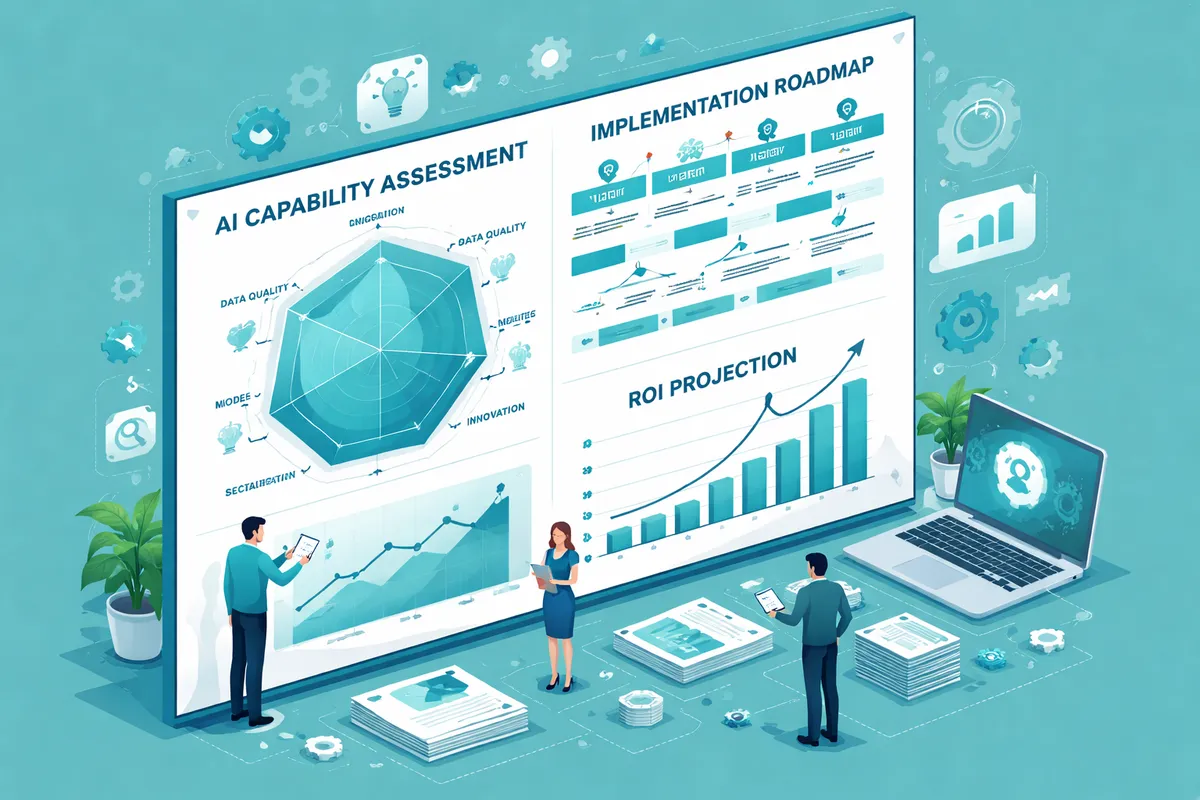
AI strategy engagement for Loop organizations begins with a capability inventory and problem definition session. We assess the organization's current technology environment, identify the workflows where AI could generate the highest measurable impact, and define the specific business problems that AI investment should address. For a LaSalle Street law firm, the problem inventory typically surfaces document-intensive workflows, research tasks, and client communication patterns that represent the highest-cost, highest-repetition activities in the firm's operations.
Opportunity prioritization follows the inventory. Not every AI opportunity is equally valuable or equally feasible. We prioritize opportunities based on three dimensions: expected impact on the business problem, implementation complexity, and readiness of the organization's data and technology environment to support the solution. The prioritization produces a sequenced roadmap that builds capabilities in the order that generates the earliest measurable return while positioning the organization for more complex capabilities later.
Governance framework design runs parallel to the roadmap. For regulated Loop industries, governance is not optional. We design the AI governance framework that defines how the organization will evaluate new AI tools, who approves AI deployments, what data can flow into AI systems, and how AI-generated outputs are reviewed before use in client-facing or regulatory contexts. The governance framework is designed in consultation with the organization's legal, compliance, and IT leadership before any implementation begins.
Industries We Serve in the Loop
Law firms on LaSalle Street benefit from AI strategy that maps the highest-impact AI opportunities across practice groups, designs governance frameworks that satisfy professional responsibility obligations, and produces a sequenced roadmap that builds AI capability without disrupting active client service. AI strategy for law firms also addresses partner adoption dynamics: the strategy must account for how different practice groups and seniority levels will encounter and use AI tools.
Investment management and financial advisory firms on Wacker Drive benefit from AI strategy that aligns AI adoption with fiduciary and compliance obligations from the outset. AI tools in investment research, client communication, and portfolio management require governance frameworks that define the human review and decision authority that must remain with the firm's investment professionals regardless of AI assistance.
Consulting and professional services firms along Wacker Drive and Madison Street benefit from AI strategy that applies to both their own operations and their advisory work for clients. Consulting firms increasingly need to demonstrate AI competence to clients navigating their own AI decisions. An AI strategy for a consulting firm serves both purposes: improving the firm's operational efficiency and building the capability to advise clients on similar decisions.
Commercial banks and financial institutions with Loop operations benefit from AI strategy that addresses the specific regulatory environment governing AI in banking: model risk management requirements, fair lending compliance, and examination readiness for AI-assisted credit decisions. The regulatory framework for AI in banking requires strategy that is built from compliance backward rather than from capability forward.
Professional associations near the Chicago Cultural Center benefit from AI strategy that addresses both member-facing applications and internal operations. AI tools that improve member service delivery, automate administrative processes, and support the association's advocacy and research function each require different evaluation criteria and governance considerations.
Corporate legal and compliance departments in Loop towers benefit from AI strategy that addresses the intersection of AI adoption and the legal and compliance requirements of the business's operating environment. The general counsel's office that builds an AI adoption framework for the broader enterprise starts with the legal and compliance implications.
What to Expect Working With Us
1. Capability inventory and problem definition. We assess your current technology environment, interview the leaders of the workflows where AI could have the highest impact, and define the specific business problems that AI investment should address.
2. Opportunity prioritization and roadmap development. We prioritize AI opportunities by impact, feasibility, and organizational readiness, and produce a sequenced roadmap that allocates implementation capacity to the highest-return opportunities first.
3. Governance framework design. We design the AI governance framework appropriate to the organization's regulatory environment, professional obligations, and risk tolerance. The framework defines approval authorities, data access rules, and human review requirements for every AI deployment category.
4. Implementation support and progress review. We support implementation of the roadmap's first phases, track results against the business problem definitions established in the strategy engagement, and review the roadmap at defined intervals as the organization builds AI capability and market conditions evolve.