How We Build AI Data Pipelines for the Loop
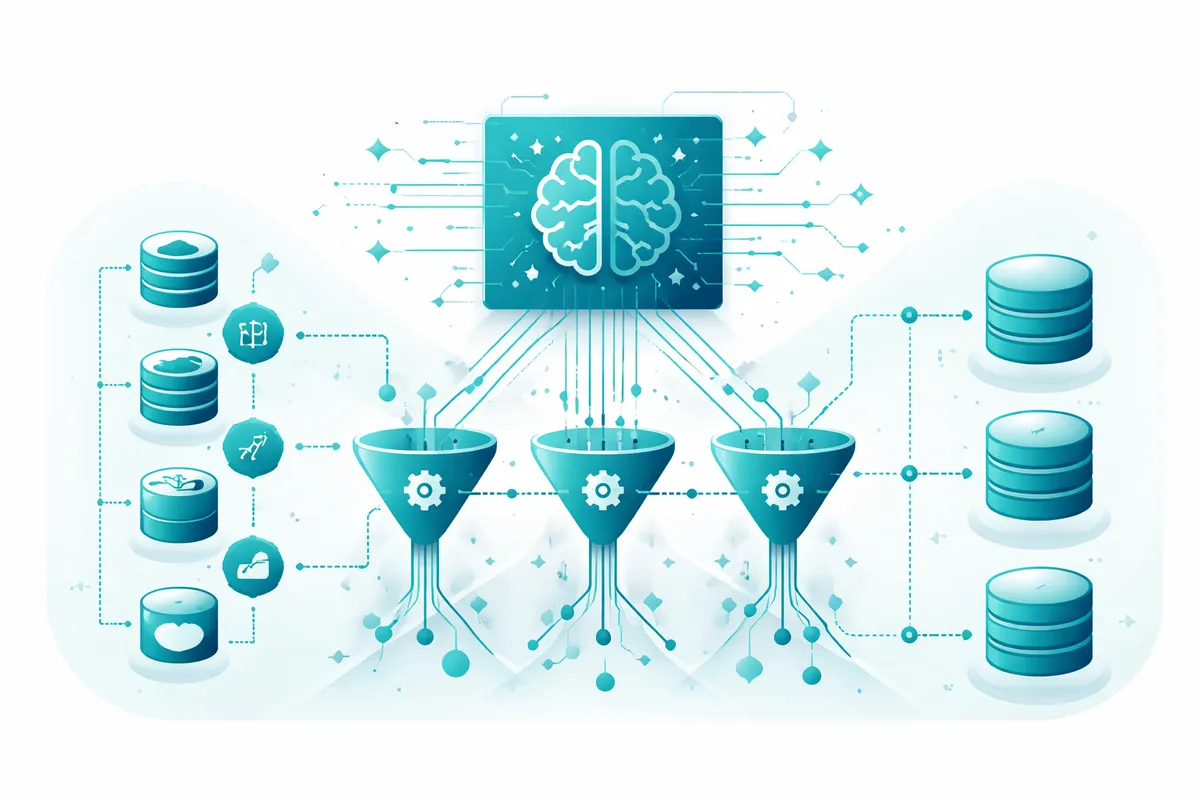
Pipeline design for Loop organizations starts with a data flow mapping session. We document every system the organization uses, the data each system contains, and the reports and decisions that depend on data flowing between systems. For a law firm, that map might show the connection between the time tracking system and the billing system, the billing system and the financial reporting system, and the CRM and the client alert distribution system. Each connection is a potential pipeline.
Priority assessment follows the mapping. Not every data flow is equally valuable to automate. We assess which manual data transfers consume the most staff time, which data lag issues affect the highest-stakes decisions, and which integration failures produce the most errors or exceptions. The pipeline architecture prioritizes the connections with the highest combined impact on organizational efficiency and decision quality.
Build and testing is performed against the actual systems and data of each Loop client. We use the specific API endpoints, data schemas, and authentication protocols of each system to build reliable connections. For Loop organizations with security requirements, we build pipelines using encrypted transmission, role-based access controls, and audit logging that satisfies the organization's information security requirements.
Industries We Serve in the Loop
Law firms on LaSalle Street benefit from data pipelines that connect time tracking to billing, billing to financial reporting, CRM to client communication distribution, and matter management to conflict checking systems. Pipelines that automate these connections reduce the administrative burden on legal and operations staff and improve the timeliness of management information.
Investment management and financial advisory firms on Wacker Drive benefit from pipelines that move portfolio data to compliance monitoring in near-real time, connect client relationship data to communication platforms, and feed performance data into client reporting systems. Data timeliness in financial services is not a convenience. It is a regulatory and risk management requirement.
Commercial real estate firms with Loop offices benefit from pipelines that connect property management systems to financial reporting, tenant lease data to communication systems, and market data feeds to valuation and portfolio analytics platforms.
Hospitality venues and hotels near Millennium Park and along State Street benefit from pipelines that connect reservation systems to revenue management, event booking data to operations planning, and guest feedback data to service quality monitoring.
Professional associations near the Chicago Cultural Center benefit from pipelines that connect member database to communication platforms, event registration to financial reporting, and membership renewal data to outreach automation.
Corporate service firms serving the Loop's professional population benefit from pipelines that connect CRM to billing, service delivery data to client reporting, and new business inquiry data to relationship management systems.
What to Expect Working With Us
1. Data flow mapping and priority assessment. We map every system in use and the data flows between them, assess priority by impact, and design the pipeline architecture before any build begins.
2. Pipeline build and security configuration. We build the pipelines using the security protocols required by the organization's information security policies, including encryption, access controls, and audit logging.
3. Integration testing and validation. We test each pipeline against real data from each system, validate that the transformations produce correct outputs, and confirm that exception handling works correctly before production deployment.
4. Monitoring and maintenance. We monitor pipeline health continuously and maintain the integrations as underlying systems update. Loop organizations with system update cycles receive proactive maintenance before updates break existing pipelines.