How We Build AI Compliance and Governance for the Loop
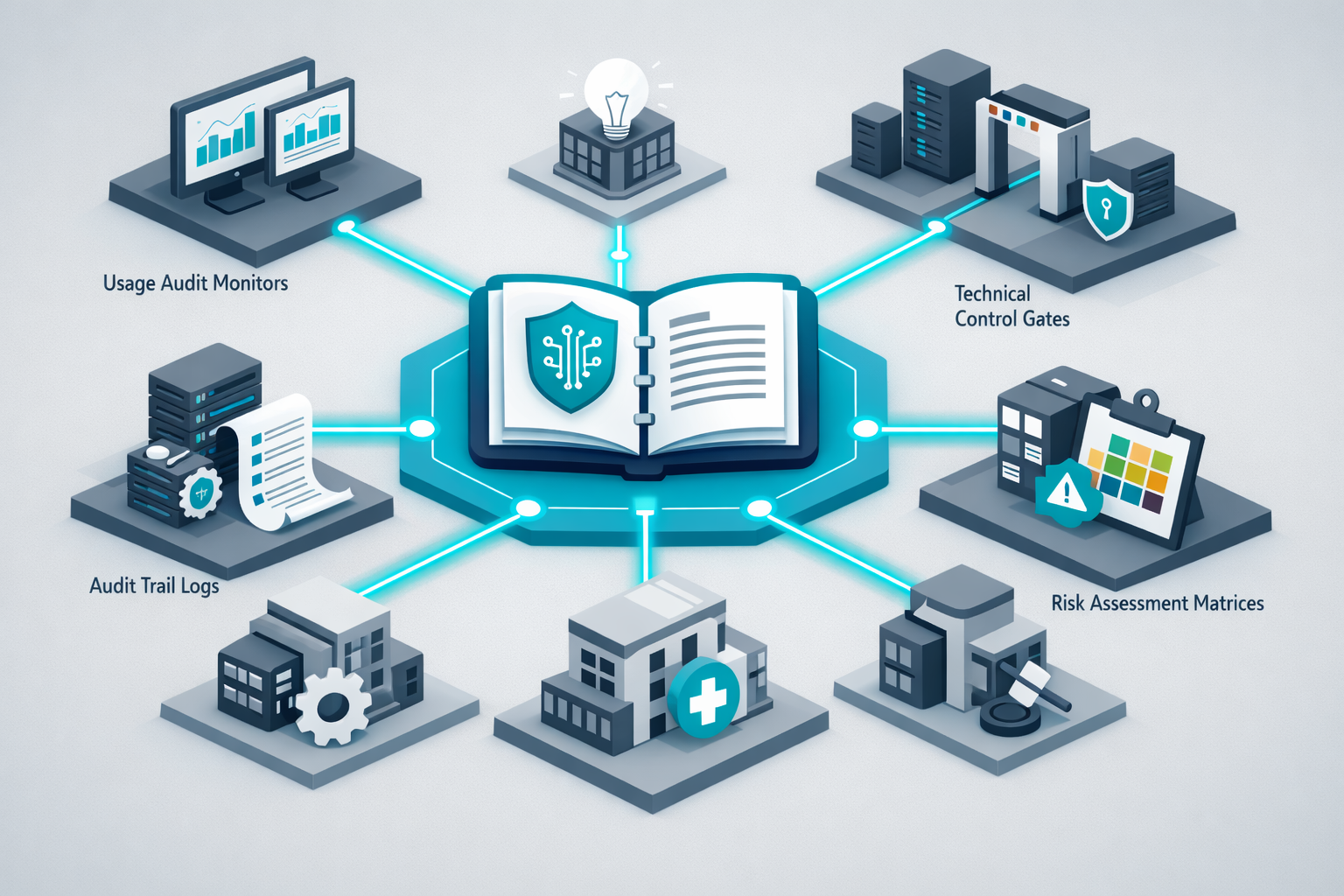
Governance engagements for Loop businesses begin with an AI inventory and regulatory mapping. We document every AI tool in use across the organization, map the data flows that involve each tool, and identify which regulatory frameworks apply to each use case based on the firm's specific regulatory registrations, professional obligations, and Illinois law requirements. For a LaSalle Street law firm, this mapping covers bar association ethics opinions on AI, attorney-client privilege implications of AI tool data processing, and the work product doctrine as it applies to AI-generated legal work product.
Risk tiering follows the inventory and mapping. Not every AI use case carries the same regulatory risk. A financial firm on Wacker Drive using AI for internal data analysis has lower regulatory exposure than one using AI for client-facing investment communications. A law firm using AI for legal research has lower exposure than one using AI for client advice. Risk tiering identifies where the firm needs the most rigorous governance controls and where lighter governance is proportionate.
Policy development and implementation translate the governance framework into operational documents: an AI use policy, a vendor assessment protocol, an employee guidance document, and a disclosure framework for situations where AI use requires client or counterparty notification. For Loop law firms and financial services firms, these documents are reviewed by the firm's existing compliance counsel before implementation to ensure consistency with existing compliance programs.
Industries We Serve in the Loop
Law firms and legal service organizations on LaSalle Street and throughout the Loop face AI governance requirements shaped by bar association professional responsibility rules, attorney-client privilege doctrine, and the specific confidentiality obligations of each matter. AI tools that touch client files require governance frameworks that address access controls, vendor confidentiality agreements, and attorney supervision of AI-generated work product. We build attorney-specific AI governance frameworks that satisfy bar association requirements and satisfy sophisticated client due diligence inquiries.
Investment managers and financial advisory firms on Wacker Drive and Michigan Avenue face AI governance requirements shaped by SEC, FINRA, and CFTC regulations governing advice, record-keeping, and client communication. AI tools that generate or assist with investment communications, compliance monitoring, or client report generation require governance frameworks that address the specific requirements of the firm's registration and business model. We build financial services AI governance frameworks that satisfy regulatory examination requirements.
Commercial banks and financial institutions with Loop offices face AI governance requirements shaped by OCC, FDIC, and state banking regulator guidance on AI use in lending, customer service, and compliance functions. AI governance for banking institutions must address model risk management requirements that apply specifically to AI models used in credit decisions and compliance monitoring.
Consulting firms and professional services organizations along Wacker Drive and Madison Street use AI for deliverable production, data analysis, and client communication. Governance frameworks for consulting firms address client data handling obligations, the disclosure implications of AI-generated deliverables, and the quality control processes that ensure AI-assisted work product meets the firm's professional standards.
Professional associations and trade organizations near the Chicago Cultural Center and throughout the Loop handle member data and produce communications that engage association governance requirements and Illinois privacy law. AI governance frameworks for associations address member data handling, the disclosure obligations for AI-generated publications, and the association's obligations to disclose AI tool use to its membership and governance bodies.
Corporate headquarters and institutional entities based in Loop towers increasingly require AI governance frameworks as part of their enterprise risk management programs. We build enterprise AI governance frameworks for Loop institutions that integrate with existing risk and compliance infrastructure.
What to Expect Working With Us
1. AI inventory and regulatory mapping. We document every AI tool in use, map the applicable regulatory frameworks, and identify the governance gaps that present the highest risk for your Loop organization.
2. Risk tiering and framework design. We tier the AI use cases by regulatory risk, design the governance controls proportionate to each tier, and develop the policy framework that governs AI use across the organization.
3. Policy development and compliance review. We develop the AI use policy, vendor assessment protocol, and employee guidance, and coordinate review with the organization's existing compliance counsel before implementation.
4. Implementation and ongoing monitoring. We implement the governance framework, train relevant staff on the policies, and provide quarterly review sessions to update the framework as regulatory guidance evolves.