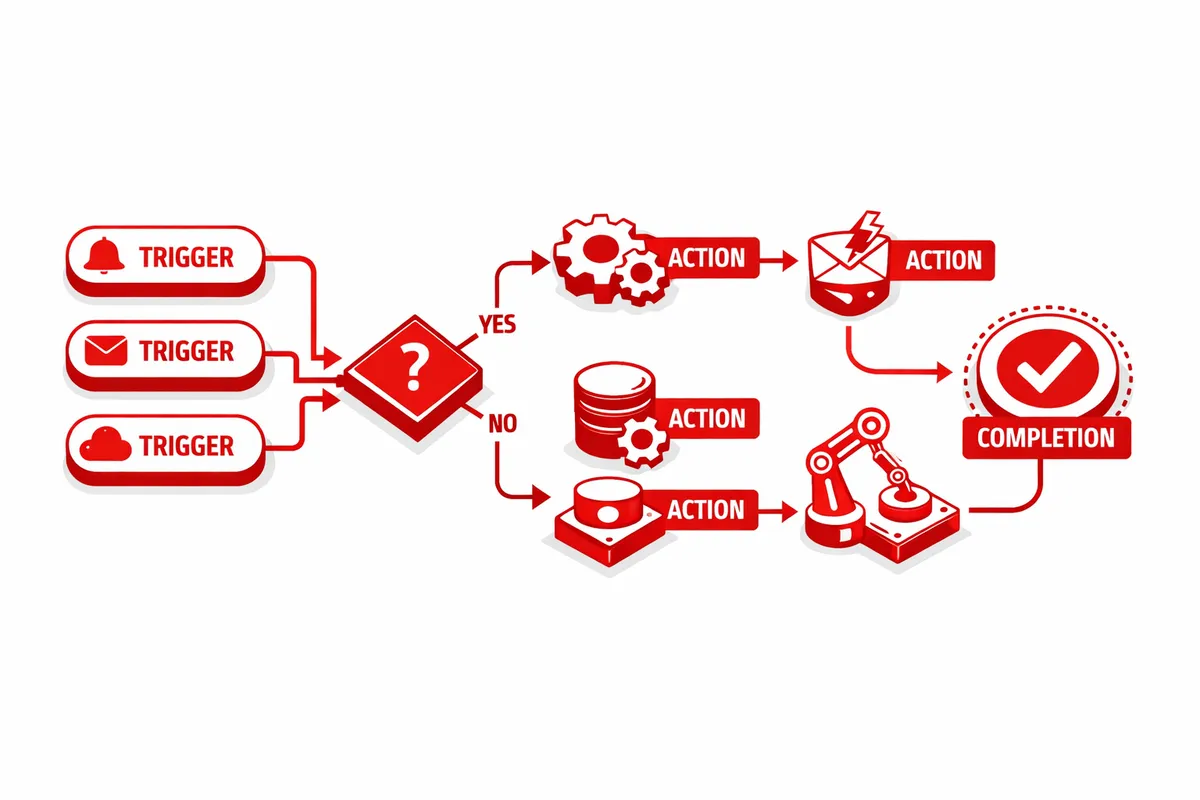
How We Build Workflow Automation for Logan Square Businesses
We start by documenting every manual process, paying particular attention to the handoff points where data moves between systems through human effort. For Logan Square's multi-channel businesses, these handoff points are where errors accumulate and time disappears. The cafe POS does not talk to the wholesale system. The wholesale system does not talk to the online store. The online store does not talk to the roasting schedule. Every gap requires a person to bridge it manually.
We prioritize automations by their impact on the owner's daily time. For owner-operated Logan Square businesses, the highest-value automations are the ones that remove the owner from the operational coordination role so they can focus on the creative and strategic work that drives business growth.
We integrate the platforms each business uses. Logan Square businesses run on a wide variety of tools depending on their industry: Toast, Square, Shopify, WooCommerce, QuickBooks, Mailchimp, Google Workspace, Slack, and dozens of industry-specific platforms. We connect whatever combination your business operates on.
Industries We Serve in Logan Square
Coffee shops and specialty food producers along Milwaukee Avenue automate multi-channel inventory management, production scheduling, wholesale order processing, and subscription fulfillment. The roaster who spent 90 minutes on Monday morning inventory orchestration now allocates inventory across channels automatically, with the system flagging conflicts before they become missed deliveries. Production scheduling workflows calculate roast quantities based on current inventory, projected demand across all channels, and lead times for green bean procurement. Wholesale invoicing generates automatically from fulfilled orders. Subscription management handles renewals, pauses, and address changes without manual intervention.
Restaurants and bars along Milwaukee Avenue automate purchasing, prep planning, reservation management, staff scheduling, and financial reporting. A cocktail bar automated its weekly spirit inventory process: instead of a bartender counting bottles by hand and the manager manually calculating order quantities, the POS depletion data feeds into an inventory model that generates vendor orders based on par levels and projected weekend volume. The bar reduced its spirit ordering time from two hours weekly to zero active management, with the manager reviewing and approving the automated order in five minutes.
Creative studios and freelancers along Logan Boulevard automate client intake, project tracking, time logging, deliverable handoff, and invoicing. A graphic design studio cut its monthly administrative overhead by 15 hours by automating the handoff between project completion and billing. When a deliverable is marked complete and the client approves it, the automation pulls the time entries, applies the rate card, generates the invoice, and sends it to the client with the deliverable attached. The designer focuses on design. The billing handles itself.
Service businesses along Kedzie Boulevard, including medical practices, insurance agencies, tax preparers, and auto services, automate scheduling, client communication, document collection, service tracking, and billing. A tax preparation office automated its document collection workflow: when a client's engagement is confirmed, the system sends a document request checklist, tracks which documents have been received, sends reminders for missing items, and notifies the preparer when the file is complete. The office processed 40 percent more returns during tax season without adding staff because the document collection bottleneck that previously required a coordinator's full-time attention ran automatically.
What to Expect Working With Us
1. Process audit focused on multi-channel complexity. We document every manual workflow, paying special attention to the handoff points between channels, systems, and team members. For Logan Square businesses, this typically reveals 25 to 45 automatable processes.
2. Prioritization by owner time recovery. We rank automations by how much of the owner's time they free up, because in owner-operated businesses, the owner's time is the most valuable and most constrained resource.
3. Platform integration. We connect your existing systems so data flows between them without manual intervention. For multi-channel Logan Square businesses, this step alone often eliminates the most painful daily manual tasks.
4. Core automations live in two weeks. Inventory synchronization, order routing, daily reporting, and notification workflows deploy first and deliver immediate operational relief.
5. Full deployment in four to six weeks. Complex workflows including production scheduling, seasonal adjustments, and multi-step operational processes complete the build.