How We Build Predictive Analytics in Logan Square
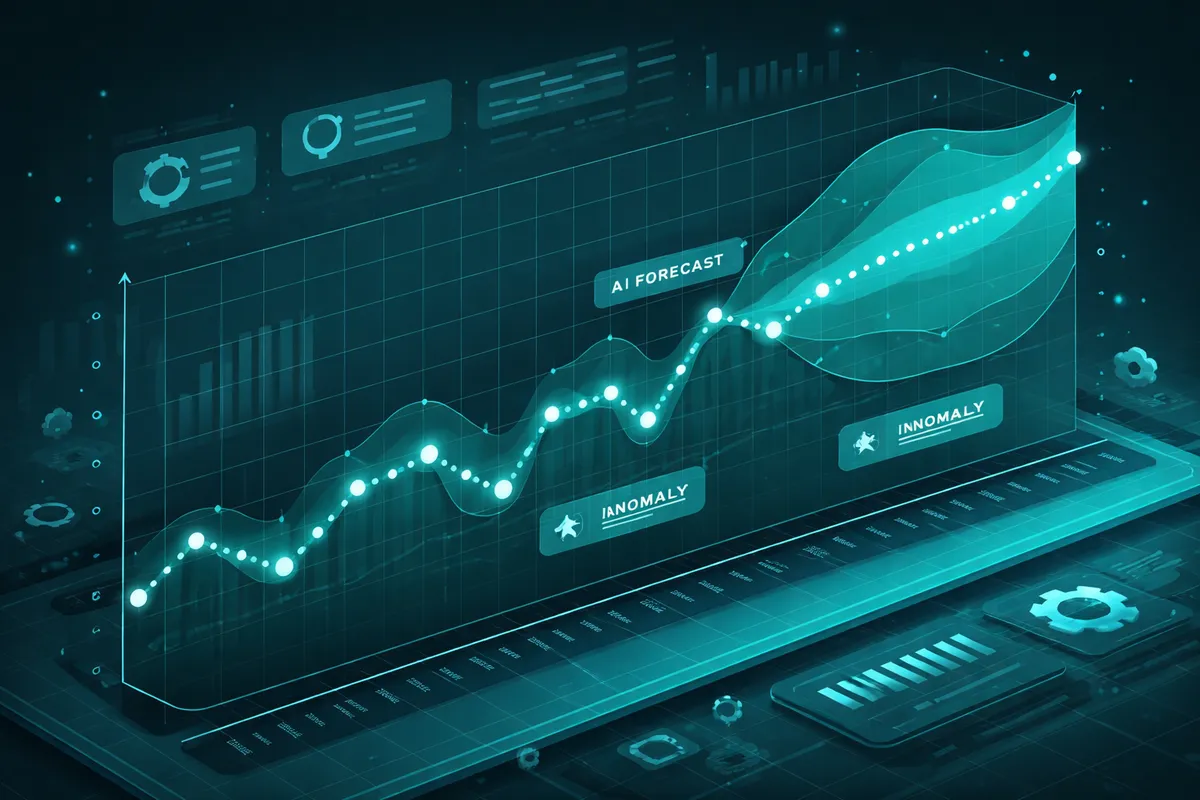
We build forecasting models from your POS, reservation, delivery, and operational data, then layer in the external signals specific to Logan Square. For Milwaukee Avenue restaurants, we predict nightly covers by factoring in day of week, weather, neighborhood events, delivery platform volume, reservation pace, and media mention indicators. For breweries near Kedzie, we forecast taproom traffic by day and beer style demand by season, informing both production batch sizes and staffing decisions. For retail and creative businesses, we predict client demand by season, marketing campaign impact, and neighborhood economic trends.
The social media signal layer is particularly important in Logan Square. We monitor Instagram mention volume, Yelp review velocity, and Google Trends data for your business and connect these signals to your historical demand response. A spike in mentions predicts a near-term revenue surge with enough lead time to prepare.
Industries We Serve in Logan Square
Restaurants throughout Logan Square use predictive analytics to optimize the three decisions that determine nightly profitability: what to buy, how much to prep, and who to schedule. A model trained on your historical covers, weather sensitivity, reservation pace, and local event data forecasts Tuesday versus Saturday demand with accuracy that gut instinct cannot match. Restaurants using demand prediction typically reduce food waste by 15-25% because purchasing aligns with actual forecasted demand instead of historical averages. Staffing efficiency improves measurably because shift schedules reflect the specific night ahead, not a generic weekday or weekend template.
Breweries near Kedzie use demand forecasting to plan production batches, manage ingredient purchasing, and staff taproom shifts. The model learns which beer styles sell fastest in which conditions: the IPA moves in summer, the stout in winter, the lager whenever the patio opens. Production planning based on demand forecasts reduces overbrewing waste by 15-20% and prevents popular styles from running out mid-weekend.
Retail and creative businesses along Milwaukee Avenue use predictive analytics to plan inventory purchases, allocate creative resources, and forecast revenue by quarter. A design studio predicts which months will bring the most inquiries based on industry cycles and past patterns. A retail shop forecasts which product categories will trend based on seasonal signals and social media momentum.
What to Expect Working With Us
1. Data audit and social signal setup. We connect to your POS, reservation platform, and delivery data, and set up monitoring for the social and media signals that drive Logan Square demand. This is where Logan Square deployments differ from other neighborhoods.
2. Model training with food industry variables. We train models that incorporate the food publication calendar, delivery platform demand patterns, and taproom-specific variables for brewery clients. These models take three to four weeks to train and validate.
3. Production planning integration (for breweries). Brewery clients receive a production planning layer that links six-to-eight week demand forecasts to batch size decisions. You see predicted August demand in June, in time to brew the right quantities.
4. Ongoing media monitoring. We continue monitoring publication and social signals after launch. A new review or feature article triggers an alert to your dashboard within 24 hours, giving you time to increase prep before the surge arrives.