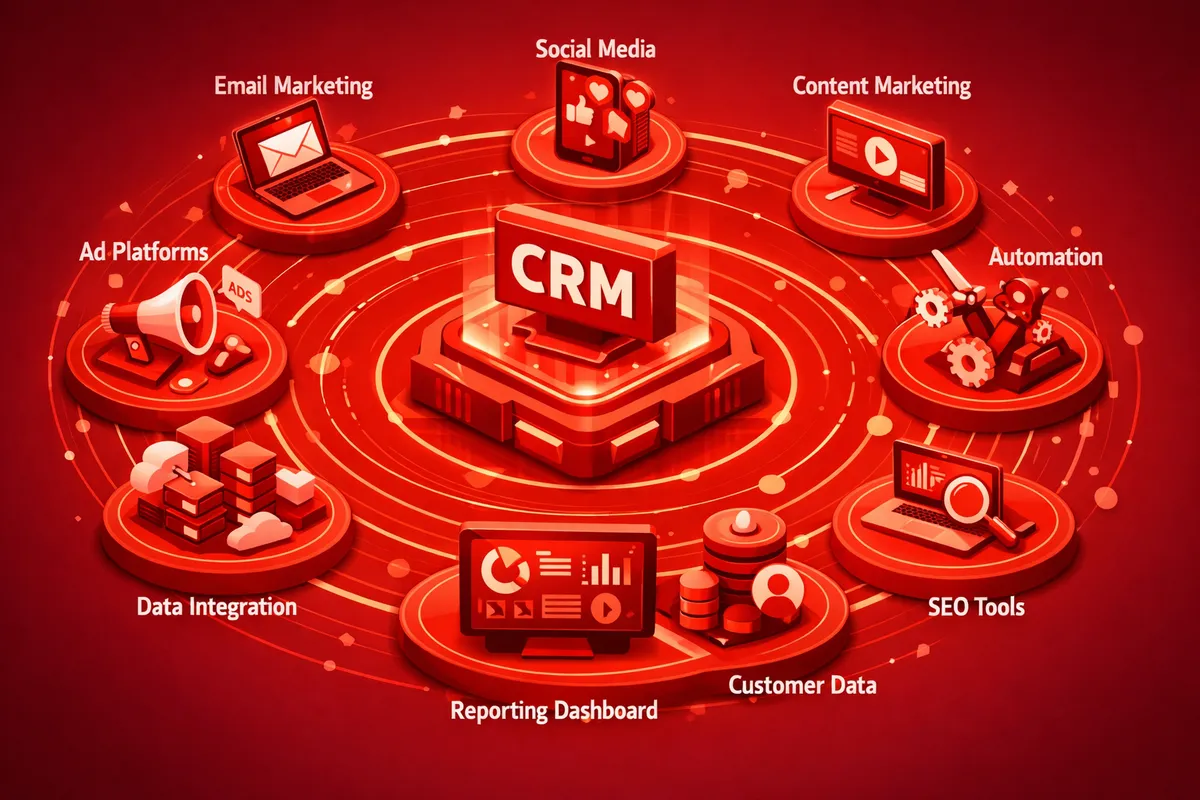
Platform Selection
Logan Square businesses typically operate with small teams and lean budgets. Platform recommendations prioritize tools with low administrative overhead and strong automation-to-cost ratios.
Klaviyo for e-commerce and retail with Shopify integration. HubSpot Starter for service businesses and multi-channel operations that need CRM and marketing automation in one platform. Mailchimp for businesses that need simple, approachable automation without CRM complexity. Toast or Square with their built-in marketing features for restaurants that want integrated solutions.
We discourage enterprise platforms for Logan Square businesses unless the operation genuinely requires that level of complexity. Right-sizing the technology to the business prevents the adoption failure that kills CRM investments.
Automation Workflows
Logan Square automation emphasizes community connection. The neighborhood's commercial identity is built on independent businesses with authentic relationships to their customers and the broader community. Automation must reinforce this identity, not undermine it with corporate-feeling communication.
Restaurant automations: post-visit follow-ups that feel like a personal note from the chef, event invitations that reference the guest's demonstrated preferences, and re-engagement messages that acknowledge the lapsed relationship rather than blasting a generic coupon. Creative business automations: behind-the-scenes content that deepens the maker-buyer relationship, new release announcements with the story behind the product, and workshop or class promotions that extend the brand experience. Retail automations: new inventory highlights curated to customer purchase history, community event promotion, and loyalty milestone recognition.
What to Expect Working With Us
1. Audit. We evaluate current systems, data quality, and communication gaps with specific attention to the multi-channel, community-connected nature of Logan Square businesses.
2. Strategy. Platform recommendation, integration plan, automation architecture, and timeline sized to the business and budget.
3. Implementation. Three to six weeks from audit to live automation.
4. Training and optimization. Ninety days of monitoring and refinement.