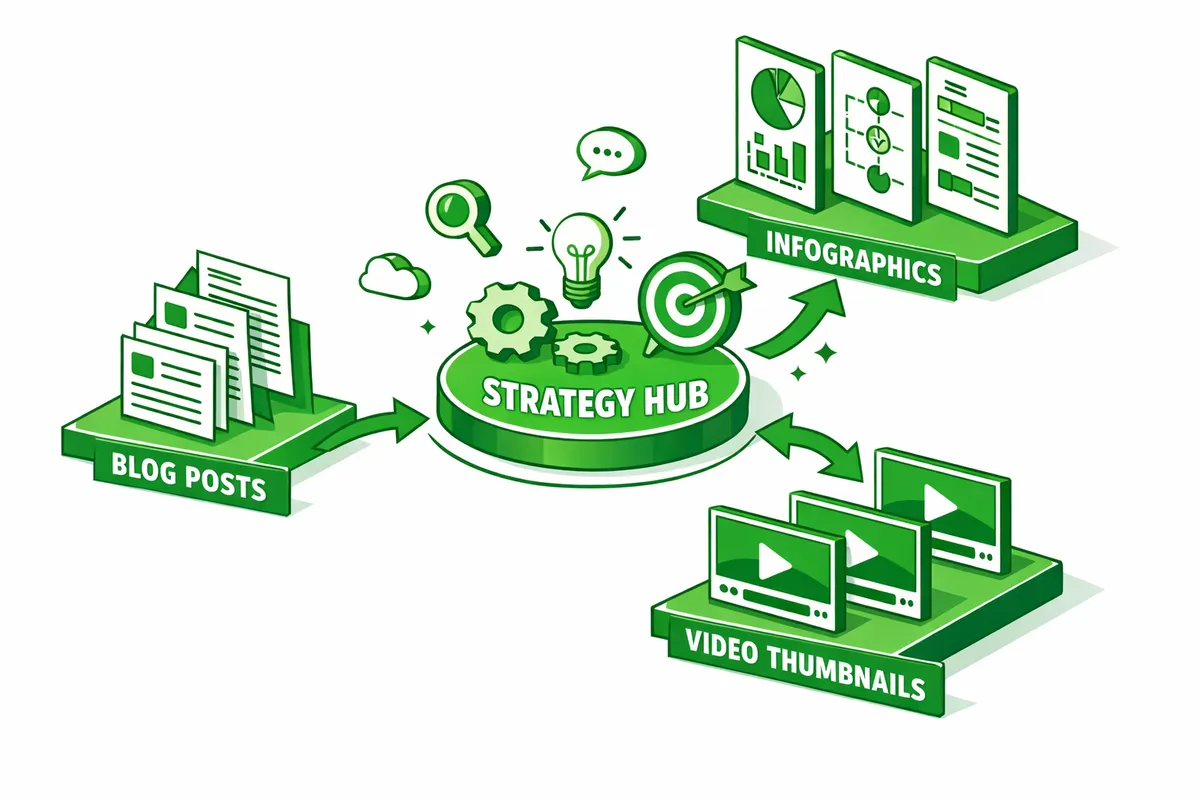
How We Build Content Marketing for Logan Square
Content strategy for Logan Square starts with a competitive content audit: who is ranking for the specific queries your potential customers use, what content they have built to get there, and where the gaps are that you can fill with genuine expertise and neighborhood specificity. For Milwaukee Avenue restaurants, this means mapping the editorial landscape around Logan Square dining searches and identifying the angles that food media covers poorly or not at all.
The Logan Square Farmers Market is a content anchor for food businesses from mid-June through October. Weekly market sourcing posts, farmer and producer profiles, seasonal ingredient features, and cooking content tied to what is available at the market create a consistent publishing rhythm during peak season that builds both search authority and community connection.
For bars and cocktail programs, content around spirit producers, cocktail development, and the Chicago spirits landscape positions your program for the discovery searches that bring out-of-neighborhood visitors to Logan Square specifically for the bar scene. The creative class that lives along Logan Boulevard and the blocks between Kedzie and California searches for exactly this kind of content. Long-form cocktail features, behind-the-bar process posts, and seasonal menu announcements all serve double duty as search assets and community engagement content.
Creative businesses benefit from content that documents the creative process with the Logan Square context intact. A branding agency that publishes a case study about rebranding a Milwaukee Avenue restaurant uses the neighborhood's recognizable geography to make the work feel specific and real. A photographer who documents a shoot at Palmer Square or near the Illinois Centennial Monument creates content that ranks for neighborhood-specific photography queries while demonstrating genuine local knowledge.
Industries We Serve in Logan Square
Milwaukee Avenue restaurants and full-service dining. The dining corridor requires content that goes deeper than editorial coverage can: sourcing stories, chef backgrounds, kitchen philosophy, and the seasonal reasoning behind menu changes. We build content strategies that convert the neighborhood's food media attention from borrowed authority into owned search equity, capturing dining discovery queries directly and building the subscriber audiences that sustain reservation volume between press cycles.
Cocktail bars and beverage-focused establishments. The Logan Square bar scene has a national reputation that generates real search traffic. Bars along Milwaukee Avenue, around Palmer Square, and on the side streets between the monument and the California intersection compete for a search audience that plans outings specifically around cocktail culture. Content about your program, your sourcing, and your Logan Square context positions you for these searches and builds the event-booking pipeline that comes with being the recognized destination rather than the discovered surprise.
Design studios, creative agencies, and marketing firms. Logan Square's concentration of creative professionals creates both competition and community. Content strategy for creative businesses here involves building thought leadership that demonstrates methodology, documenting client work in the neighborhood context, and positioning the firm for the service-category searches where Logan Square's creative identity gives you a differentiation advantage. Portfolio case studies, process features, and collaboration content all serve as both search assets and new business development tools.
Independent retail along Milwaukee Avenue. Record stores, vintage boutiques, cycling shops, and specialty food retailers along Milwaukee Avenue need content that captures the discovery searches driving foot traffic away from their physical locations and toward e-commerce or editorial aggregators. Maker profiles, product stories, seasonal curation features, and neighborhood lifestyle content build the authority and audience that sustain independent retail in a neighborhood where new competition opens regularly.
Service businesses on Kedzie and Fullerton. Auto repair shops, tax preparers, insurance agencies, and family service businesses serving the established Latino community on Kedzie Boulevard and Fullerton Avenue benefit from content that targets practical search queries in both English and Spanish. Educational content that answers the questions their customers are already searching for, from seasonal car maintenance guides to homeowner financial planning content, builds search authority while positioning the business as a trusted neighborhood resource rather than just another listing.
Coffee shops and community gathering spaces. Logan Square's coffee culture supports several businesses whose role in the neighborhood extends beyond selling beverages. Community-focused content, neighborhood event coverage, and commentary on the 606 trail, the Logan Square Farmers Market, and the general pulse of the neighborhood builds audiences that treat these businesses as editorial sources, not just caffeine stops. This audience is loyal, referral-active, and the kind of base that sustains a community gathering space through the neighborhood's commercial cycles.
What to Expect Working With Us
1. Content audit and search opportunity mapping. We begin by analyzing the specific search landscape your business operates in, identifying the queries your potential customers use, who currently ranks for them, and what content gaps we can fill with your specific expertise and neighborhood knowledge. You receive a prioritized opportunity map before we write a single word.
2. Editorial calendar and publishing cadence. Based on your business type, competitive landscape, and Logan Square's seasonal rhythms, including the Farmers Market season, the 606 trail's peak usage months, and the bar and restaurant scene's seasonal inflection points, we build an editorial calendar that sequences content for maximum search impact. We set a sustainable publishing cadence based on your capacity and competitive requirements.
3. Content production and publishing. We write content that reads as though it was produced by someone who knows Logan Square's streets, businesses, and community, because it is. Every piece references real specifics: the Illinois Centennial Monument, Milwaukee Avenue's distinct commercial zones, the Kedzie Boulevard corridor, the 606 trail, Logan Square's farmers market. Generic content that treats the neighborhood as a location tag is not content marketing. It is noise.
4. Performance tracking and quarterly strategy reviews. Monthly reporting covers organic traffic, keyword ranking changes, content engagement metrics, and lead generation attribution. Quarterly strategy reviews assess what content is building authority effectively and where the next set of opportunities are as the Logan Square competitive landscape evolves.