How We Build Computer Vision in Logan Square
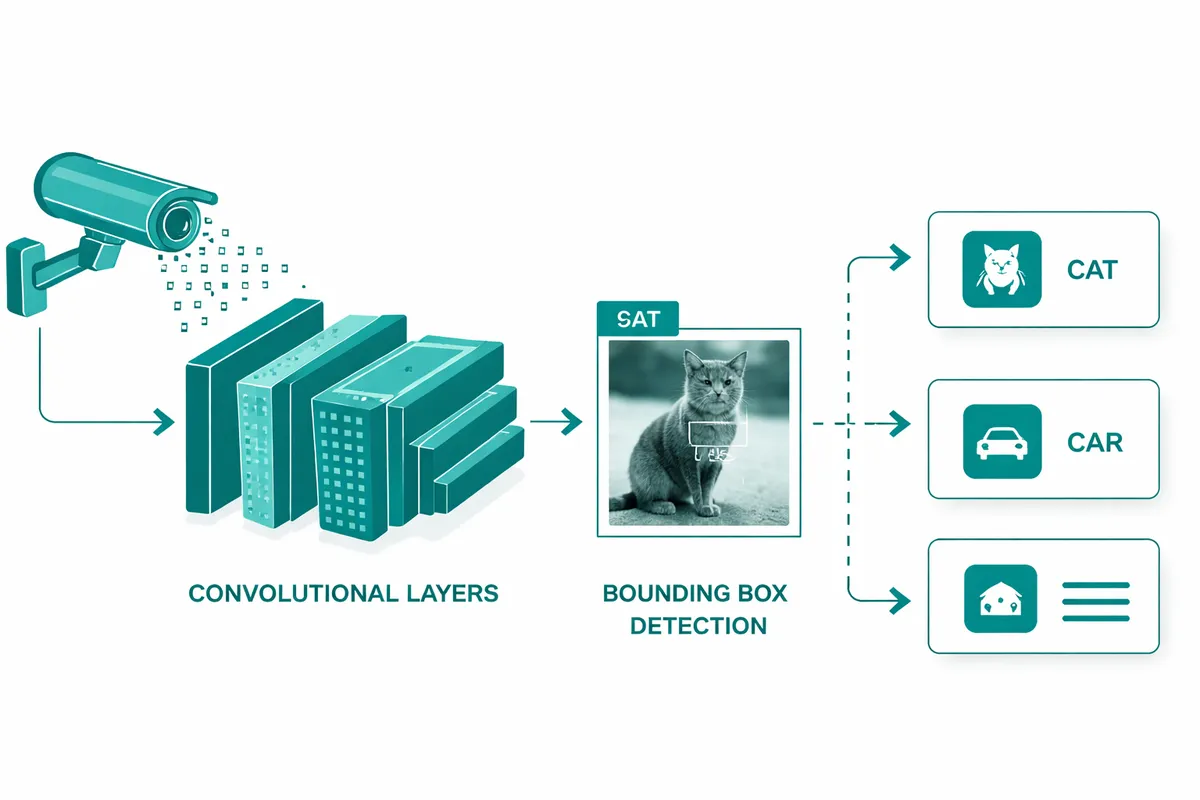
We integrate computer vision with existing camera infrastructure wherever possible, adding AI processing layers rather than new hardware. For Milwaukee Avenue restaurants, we track table turnover by section, patio utilization rates by weather condition, wait area congestion during peak hours, and kitchen line flow. For breweries near Kedzie, we monitor taproom customer flow between the bar, tables, and beer garden, track queue lengths at the bar, and analyze how different event configurations affect space utilization. For retailers near the Blue Line, we measure foot traffic, window display effectiveness, and in-store customer movement patterns. Every deployment is customized to the specific physical layout and operational priorities of your business.
Industries We Serve in Logan Square
Restaurants throughout Logan Square use computer vision to optimize the physical operations that directly affect revenue per service. Table turnover tracking by section reveals which servers or layouts produce the fastest turns. Patio utilization monitoring shows exactly when the patio fills, how weather affects seating preference, and whether extending patio hours would generate revenue. Wait area analysis helps hosts manage the Friday night door without overcrowding the entry. Restaurants using visual analytics typically see 10 to 15 percent improvements in table utilization because layout and operational decisions are based on behavioral data instead of manager observation.
Breweries and taprooms near Kedzie deploy visual analytics to understand how customers use the space. Does the new layout encourage people to move from the bar to the beer garden? Do event nights create bottlenecks at the entrance? Which seating configuration maximizes per-customer dwell time? Computer vision answers these questions with data collected continuously across hundreds of customer visits. Breweries use these insights to configure spaces differently for weeknight taproom hours versus weekend events, optimizing each configuration for its specific purpose and revenue objectives.
Retail and creative businesses along Milwaukee Avenue use computer vision for storefront analytics. Foot traffic counting separates walk-bys from walk-ins. Window display tracking measures which setups generate the most entries. In-store heat maps show where customers browse, where they pause, and where they walk past without stopping. Retailers make layout and merchandising decisions based on evidence rather than instinct, which is especially valuable when every square foot of retail space represents rent in a neighborhood where lease rates have climbed significantly over the past five years.
What to Expect Working With Us
1. Business model and space assessment: We begin by understanding your revenue model and the physical space decisions that affect it most. For a brewery, that is usually taproom flow and event configuration. For a restaurant, it is table turnover and patio utilization. For a retailer, it is storefront conversion and in-store customer movement. This focus ensures we build metrics that drive actual business decisions rather than interesting but actionable data.
2. Camera audit and infrastructure planning: We assess your existing cameras and identify the coverage needed for your priority analytics. Logan Square's restaurant layouts often have patio coverage gaps that require one or two additional cameras to enable complete outdoor utilization tracking. We scope hardware additions conservatively.
3. Model training and baseline establishment: We configure AI models for your specific space and establish baselines for all metrics. Baseline data from the first 30 days of operation provides the reference point for all future comparisons, including seasonal adjustments and the impact of layout changes.
4. Monthly insights reviews: We review your visual analytics data monthly and translate patterns into specific operational recommendations. Did changing the patio layout improve utilization on Friday evenings? Did the new window display increase walk-ins compared to last month? These are the questions we answer together every month.