How We Build AI Model Training in Logan Square
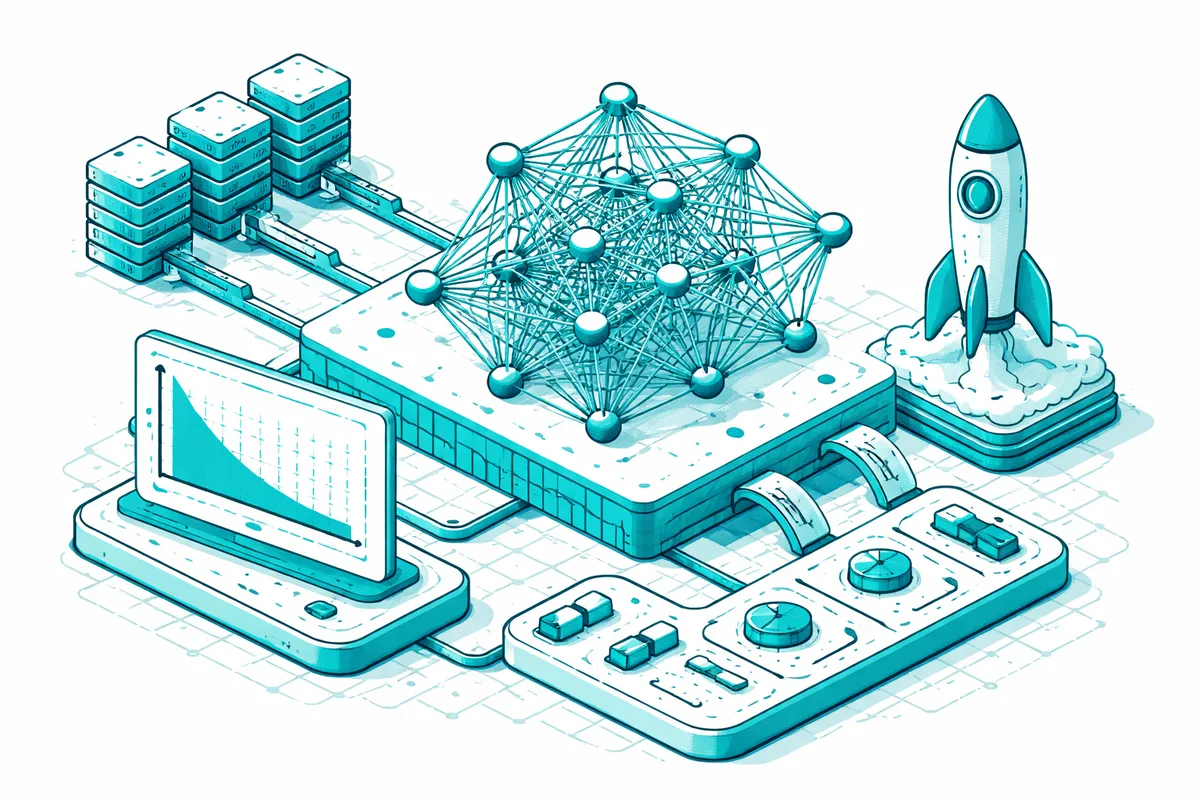
We start with a data audit to inventory what you collect and assess quality. Then we clean, engineer features, and train models focused on your business objectives. For Logan Square restaurants, we train demand forecasting models on historical covers, weather sensitivity, delivery platform volume, local event calendars, and competitive activity. For breweries near Kedzie, we build production planning models that optimize brewing schedules based on taproom sales velocity, distribution orders, seasonal style preferences, and event demand. For creative businesses along Milwaukee, we train client scoring models on project history, referral patterns, and inquiry-to-close ratios.
We validate every model against real historical outcomes before deployment and only release it into production when it outperforms your current approach. After launch, we monitor performance and schedule retraining updates as your data grows. The Milwaukee Avenue competitive environment means demand patterns shift as new businesses open nearby, and we track those shifts to keep your model calibrated.
Industries We Serve in Logan Square
Restaurants and food businesses throughout Logan Square train custom models on their specific POS, reservation, and delivery data. A taqueria's demand model learns that patio weather drives a 40% cover increase. A fine dining spot's model learns that Michelin Guide season brings a two-week inquiry spike. A ramen shop's model predicts that cold rainy days are its best performers. Each model captures the patterns unique to that specific restaurant in that specific location. Custom-trained demand models typically outperform generic forecasting tools by 20 to 40 percent because they account for variables that national averages ignore.
Breweries near Kedzie train production and demand models on their specific data. The model learns which seasonal releases drive taproom traffic, how distribution demand lags behind taproom popularity, and which beer styles perform best at events versus in the taproom. Production planning based on custom models reduces overbrewing of slow-moving styles and ensures popular releases do not run out prematurely. Breweries using custom models report 15 to 20 percent reductions in production waste and more consistent taproom revenue from better inventory alignment.
Creative businesses and agencies along Milwaukee Avenue train models for client scoring, project estimation, and revenue forecasting. A design studio's model learns which inquiry sources convert at the highest rates and which project types deliver the best margins. An agency's model predicts project timeline overruns based on scope patterns in past work. Custom models turn scattered project history into actionable business intelligence that compounds over time.
What to Expect Working With Us
1. Discovery and data audit. We inventory your data sources: POS records, reservation systems, delivery platform exports, customer databases, and operational logs. For Logan Square restaurants, we specifically assess delivery platform data integration because it is often the most underutilized signal in demand forecasting. We identify the highest-value model opportunity and build a plan before any training begins.
2. Data preparation and model design. We clean and engineer features from your data, building in Logan Square-specific signals including the neighborhood event calendar along Milwaukee and Kedzie, weather patterns, and Blue Line transit data. We select the right model architecture and define performance benchmarks clearly.
3. Training, validation, and refinement. We train on your historical data and test against periods the model has never seen, including summer patio season, holiday weekends, and seasonal style rotations for breweries. If the model misses on specific high-stakes scenarios, we refine before delivery.
4. Deployment and ongoing monitoring. We integrate the model into your workflow and train your team on how to act on its outputs. For restaurants and breweries, model accuracy typically reaches its peak after capturing one full annual cycle including the summer patio season and the winter taproom months. We schedule quarterly reviews and update training as your operation evolves.