How We Build AI Data Pipelines in Logan Square
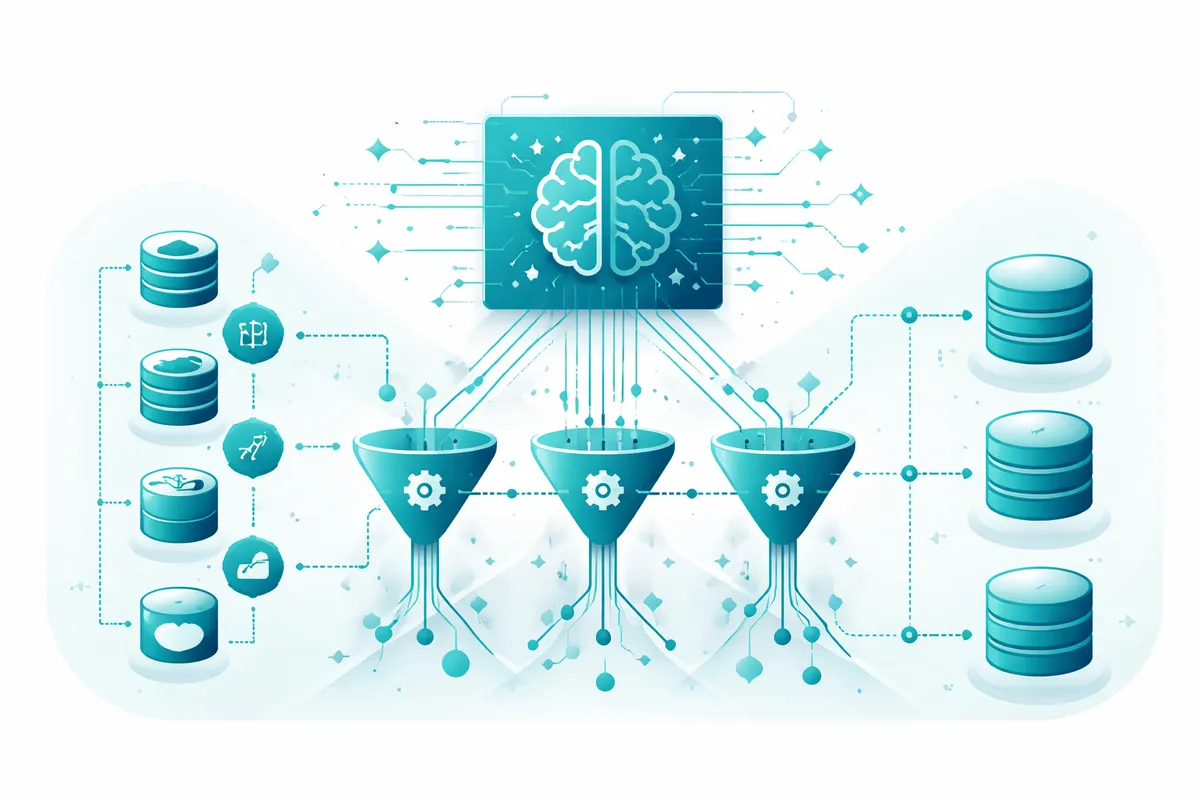
We audit your existing platforms, map data flows, and build automated pipelines that run continuously. For Milwaukee Avenue restaurants, we connect Toast or Square POS with delivery platform data from DoorDash, Grubhub, and Uber Eats, plus reservation systems, review platforms, and marketing metrics. The result is a single dashboard showing total revenue by channel, true margins after delivery commissions, and which marketing efforts actually drive covers. For breweries near Kedzie, we unify taproom POS, distribution tracking, event revenue, and marketing data into one operational view. For creative businesses and service providers, we connect project management, invoicing, CRM, and marketing platforms to track revenue, utilization, and acquisition costs in one place.
What to Expect Working With Us
1. Business model and platform audit. We document every platform your business uses and identify the specific data flows that matter most for your operations. Logan Square businesses often have more delivery and creative tool complexity than businesses in other neighborhoods, and we account for that in the architecture.
2. Custom pipeline build. We build connections for your specific tool combination, including the delivery platform integrations and creative tool connections that standard integration services handle poorly. Each pipeline is tested against real data before going live.
3. Channel profitability dashboard. We configure reporting that shows true profitability by channel, not just top-line revenue. For Logan Square restaurants, this typically means per-channel margin analysis that accounts for delivery commissions, packaging, and labor differences.
4. Ongoing monitoring and expansion. Pipelines run continuously with error monitoring. We add new platform connections as your business grows and adjust existing integrations when platforms update their systems.
Industries We Serve in Logan Square
Restaurants and food businesses throughout Logan Square derive 30-40% of revenue from delivery apps, but most cannot tell you whether that delivery revenue is actually profitable after commissions, packaging costs, and labor. Data pipelines merge delivery platform data with in-house POS to reveal true channel profitability. A restaurant might discover that Grubhub orders lose money after commissions while DoorDash orders break even and in-house catering is the highest-margin channel nobody is promoting. These insights only surface when the data streams are connected into a single analytical view.
Breweries and taprooms near Kedzie and along the boulevard operate across taproom sales, beer garden revenue, distribution, events, and merchandise. Each channel has its own tracking system and its own performance narrative. Pipelines unify everything to show total revenue per beer variety, profitability by channel, and the true cost of events when you factor in staffing and product allocation. Brewery operators using unified data make distribution and pricing decisions based on complete information instead of taproom-only numbers that tell only part of the story.
Creative businesses, agencies, and service providers along Milwaukee Avenue connect project management tools, invoicing platforms, and marketing channels to see the full client acquisition and delivery pipeline. You trace a client from the Instagram post they engaged with, through the inquiry form, to the project invoice, to the final margin. That end-to-end visibility reveals which marketing channels produce profitable clients versus which ones attract inquiries that do not convert or convert at margins that do not sustain the business.