How We Build NLP Solutions for Little Village
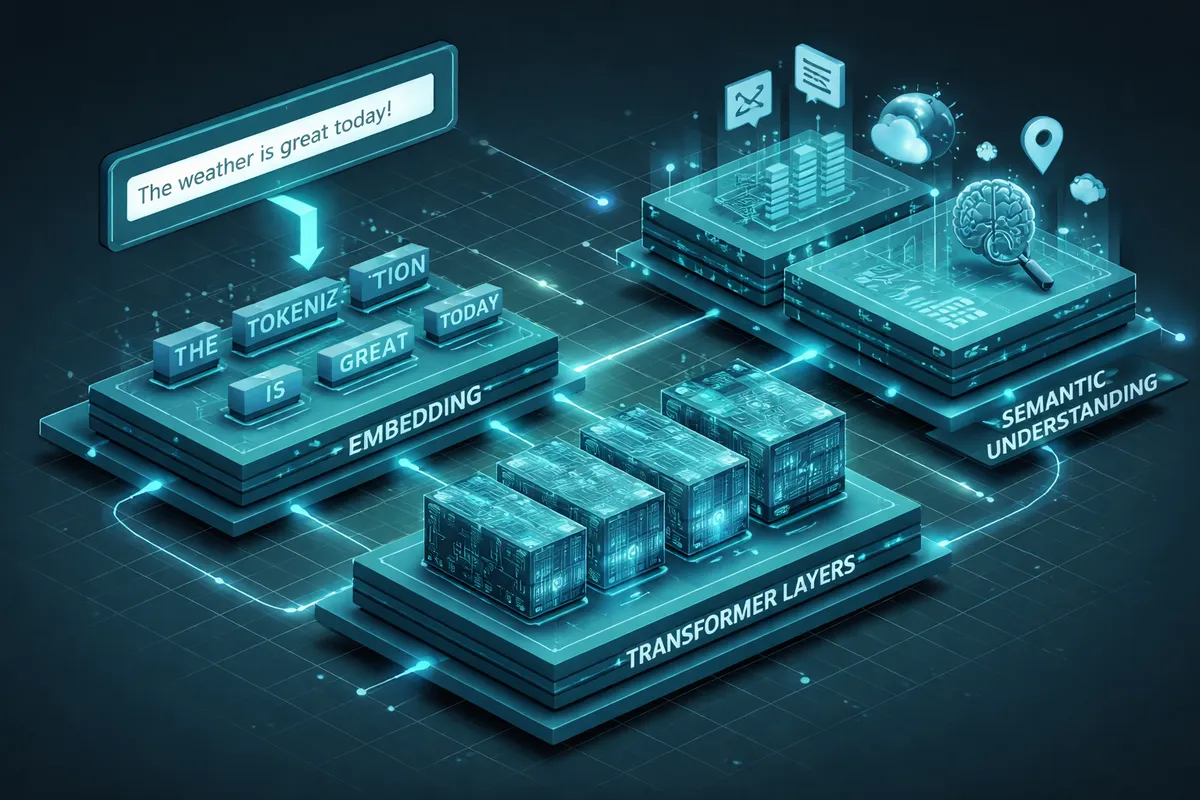
NLP solution development starts with identifying the text data sources that hold the most valuable customer feedback for the business. For most Little Village businesses, Google reviews, Yelp reviews, and Facebook or Instagram comments are the primary sources. For businesses with higher message volume, inbox data from customer inquiries may also be relevant.
From the data sources, we configure the NLP pipeline: the text collection process, the language detection and processing approach, the topic identification model tailored to the business's category, and the sentiment analysis model trained to recognize the specific expressions of positive and negative sentiment common in the relevant language communities. For Little Village businesses, the Spanish-language sentiment model is trained to handle the specific expressions and idioms common in Mexican-Spanish communication, not just generic Spanish.
Output is configured for practical use: a weekly or monthly report summarizing the top topics in customer feedback, the sentiment trend for each topic, the most notable individual comments requiring attention, and any emerging patterns that represent a change from prior periods. The report is produced in Spanish and English. For businesses that want integration with their review management workflow, we configure alerts for specific sentiment patterns that warrant immediate response.
Industries We Serve in Little Village
Restaurants and taquerías on 26th Street and California Avenue receive review volume high enough to benefit significantly from automated analysis. A restaurant NLP system that summarizes the specific dishes generating the most positive comments, the service aspects generating complaints, and the trend direction for overall satisfaction over the past quarter gives ownership actionable intelligence without requiring a dedicated staff member to read and analyze reviews.
Quinceañera boutiques and event businesses near the Little Village Arch receive both structured customer feedback through post-event surveys and unstructured feedback through reviews and social comments. NLP that processes both sources and identifies the specific aspects of the boutique experience generating the strongest positive and negative reactions helps these businesses understand where their service is exceeding and falling short of customer expectations during high-stakes celebrations.
Auto repair businesses on Pulaski Road and Cermak Road receive service reviews that often contain specific technical and service experience feedback. NLP that identifies which specific services are generating the most complaints, which technicians are most often mentioned positively by name, and what the trend direction is for waiting time complaints allows management to address operational issues based on customer evidence.
Carnicerías and specialty grocers near Piotrowski Park receive product and service feedback across multiple platforms. NLP that surfaces the specific products and service aspects generating the most positive feedback helps these businesses understand their competitive differentiators from the customer's perspective, and identifies the specific complaints that need to be addressed before they drive customers to alternatives on Kedzie Avenue.
Health and wellness practices near Our Lady of Tepeyac Parish receive patient feedback through Google reviews and health platform reviews that often contain specific observations about wait times, communication quality, and clinical experience. NLP analysis of patient feedback in Spanish and English identifies the specific aspects of the patient experience generating the strongest reactions and supports practice improvement prioritization.
Legal and immigration services near Pulaski Road receive client feedback in reviews and testimonials that reflects the high-stakes nature of the service relationship. NLP analysis that identifies the specific aspects of the client experience generating the most positive reviews, such as responsiveness and communication clarity, and the specific concerns generating complaints, supports service quality improvement in a category where trust is the primary client retention factor.
What to Expect Working With Us
1. Data source mapping and NLP pipeline design. We identify the text data sources relevant to your business and design the NLP pipeline that will process them. Design includes the topic model, sentiment model, and language handling approach appropriate for your business category and customer community.
2. Pipeline build and language model configuration. We build the NLP pipeline, configure Spanish and English language processing, and calibrate the topic and sentiment models against a sample of your actual customer feedback to confirm accuracy before full deployment.
3. Report design and delivery configuration. We design the report format that makes NLP output actionable for your business, establish the delivery schedule, and configure alerts for sentiment patterns that require immediate attention.
4. Ongoing monitoring and model refinement. We monitor NLP accuracy on an ongoing basis, refining the topic and sentiment models as new feedback patterns emerge and updating language handling as the business's customer communication evolves.