How We Build ERP Integration for Little Village
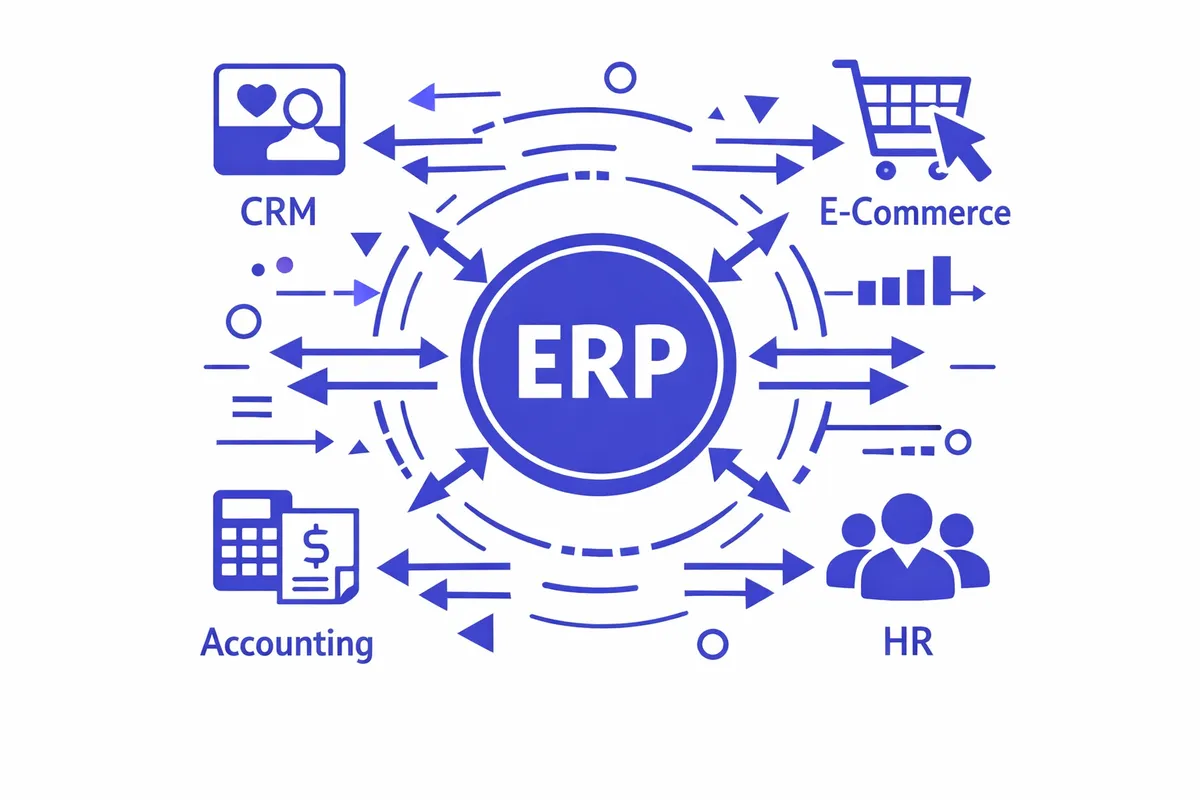
ERP integration work begins with a systems inventory: every software tool you use, what data it holds, what it exports, what APIs it exposes, and where the manual handoffs between systems currently happen. For most Little Village businesses, that audit reveals three or four critical integration points that are consuming significant staff time: the daily reconciliation between POS and accounting, the weekly matching of vendor invoices to purchase orders, the monthly inventory count that never agrees with the system record, and the quarterly reporting process that requires pulling data from multiple sources.
We prioritize those high-friction integration points rather than attempting to connect everything simultaneously. The first integration built is the one that eliminates the most manual work or the most frequent source of errors. Subsequent integrations are added in priority order after the first one is stable and validated.
For Little Village businesses, we work with the specific tools common in the corridor: QuickBooks for accounting, common POS systems used by restaurants and retailers, standard inventory management tools, and the vendor ordering platforms used by the food and auto industries. We connect to these systems through their available APIs, data export formats, or middleware connectors, and we document every connection point so your team understands how data flows and where to look if something stops matching.
Bilingual reporting is part of the integration design from the start. For businesses where the owner operates primarily in Spanish, financial reports and operational dashboards generated by the integrated system are configured in Spanish. We do not build English-only reporting infrastructure for businesses where the decision-maker reads in Spanish.
Industries We Serve in Little Village
Family grocers and specialty food retailers near California Avenue manage the most complex ERP integration scenarios in the corridor: high SKU counts, multiple vendor relationships, rapid inventory turnover, and POS systems that process hundreds of transactions daily. Integration between the POS, inventory management, and accounting systems creates a real-time picture of margin, inventory position, and cash flow that no individual tool can provide alone. Ordering decisions based on integrated sales and inventory data are more accurate and generate less overstock and waste.
Mexican restaurants and catering operations on 26th Street running both table service and catering programs benefit from integration between their POS system, inventory, catering management tool, and accounting software. When a catering order is booked, the inventory impact should update the purchasing plan automatically. When table service sells through a specific ingredient, the inventory alert should trigger before the item runs out rather than after. Integration between these systems makes that possible without requiring manual cross-referencing.
Auto shops and parts distributors near Kedzie Avenue that manage parts inventory across multiple vendors and track labor costs against job profitability benefit from ERP integration that connects parts ordering, inventory management, shop scheduling, and accounting. A completed job should automatically post labor and parts costs to the accounting system. A parts order triggered by an inventory threshold should generate a purchase order in the accounting system simultaneously. Manual entry of these transactions after the fact is time-consuming and error-prone.
Quinceañera retailers and wholesale fabric importers on Pulaski Road that source merchandise from multiple vendors and manage significant inventory through a defined order lifecycle need inventory and accounting integration that tracks cost of goods from purchase order through sale. Understanding the margin on each dress style requires knowing its landed cost, which requires connecting the vendor invoice to the inventory record and the sale record in a single data flow.
Community health organizations near Piotrowski Park funded by multiple grants need to track program expenses against specific budget line items and generate funder-specific reports. Integration between their accounting system, program management tool, and payroll system generates those reports automatically from real-time data rather than through manual spreadsheet compilation at the end of each reporting period.
Immigration services offices on Cermak Road with billing operations need integration between their case management system, time tracking tool, and accounting software so invoices are generated accurately from tracked time, payments are recorded in the accounting system, and accounts receivable reporting is current without a manual reconciliation step.
What to Expect Working With Us
1. Systems inventory and integration priority map. We document every tool you use, where data flows manually between them, and the time cost of that manual work. The output is a prioritized list of integration points ranked by impact, which becomes the roadmap for the work.
2. Build starting with the highest-friction point. The first integration we build is the one that eliminates the most manual reconciliation work or the most frequent source of errors. We deploy that integration, validate it against real transaction data, and confirm the manual work it was meant to replace has actually disappeared before moving to the next priority.
3. Spanish-language reporting configuration. Financial reports, operational dashboards, and automated alerts generated by the integrated system are configured in the language you read in. For Little Village owners who operate in Spanish, that means Spanish-language reports that do not require translating from English before making decisions.
4. Documentation and staff training. Every integration we build is documented so your team understands what it does and what to check if data stops matching between systems. Staff who interact with the integrated systems receive training on what the integration does, what to watch for, and how to report a discrepancy.