How We Build Custom AI Solutions for Little Village
Custom AI solution development starts with a problem definition: we work with you to define the specific problem the solution needs to solve, the business processes it will participate in, and the outcomes that will measure whether it has been successful. For most Little Village businesses, this problem definition is the most valuable part of the entire engagement: it often reveals that the problem is more specific than initially described, or that a simpler solution than originally imagined would address the core need.
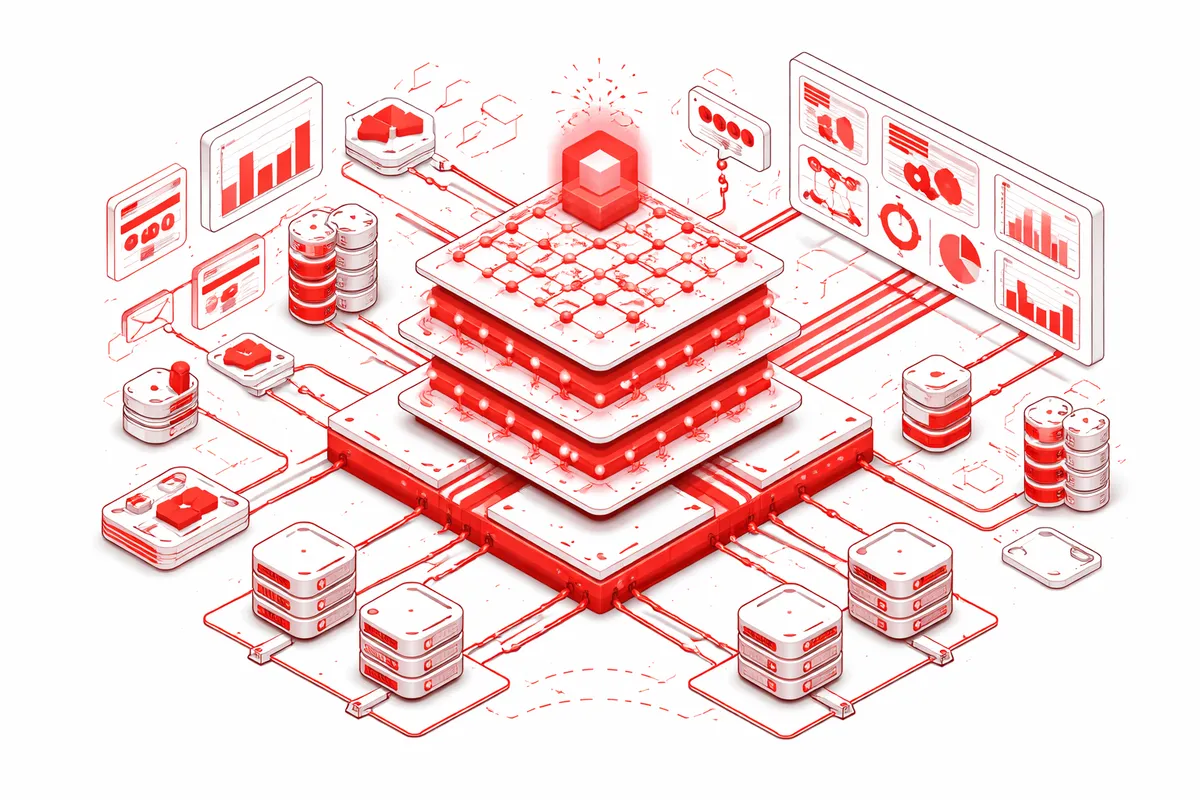
From the problem definition, we design the solution architecture: the AI components, the data it will use, the interfaces through which the business will interact with it, and the integration points with existing tools and workflows. For solutions with bilingual requirements, language handling is designed into the architecture from the beginning rather than added as a feature later.
Development uses a phased approach: we build and test a minimum viable version of the solution first, confirm it addresses the core problem, and then expand functionality based on actual use. For most custom solutions, the first version is in use within six to ten weeks of project start, generating value and informing what additional development makes sense.
Industries We Serve in Little Village
Quinceañera boutiques and event businesses near the Little Village Arch have custom AI opportunities in customer relationship management: a tailored system that tracks the full quinceañera planning journey for each family, including the cultural preferences, the family dynamics, and the specific details that make each celebration unique. No standard CRM captures this level of family-specific context, and the boutiques that can maintain it have a genuine service advantage.
Carnicerías and specialty grocers near Piotrowski Park and Kedzie Avenue have custom AI opportunities in inventory management: systems that understand the specific product mix, the supplier relationships, and the demand patterns of their specific market in ways that generic inventory tools do not. A custom inventory AI that knows the specific cultural calendar driving demand for specific products in Little Village is more valuable than a generic tool that treats every week like every other.
Restaurants and taquerías on 26th Street and California Avenue have custom AI opportunities in demand forecasting: systems trained on the specific demand patterns of their restaurant, including the cultural events, neighborhood patterns, and menu-specific factors that generic forecasting tools miss. A custom demand forecast for a taqueria near La Villita Park performs better than a general restaurant forecasting tool because it has learned the specific restaurant's actual patterns.
Legal and immigration services near Pulaski Road have custom AI opportunities in case management support: tools that understand the specific document types, legal pathways, and client communication patterns of an immigration practice serving a predominantly Spanish-speaking community. Custom tools built for the specific practice outperform general legal AI tools that do not account for the immigration-specific context.
Health and wellness practices near Our Lady of Tepeyac Parish have custom AI opportunities in patient communication and care coordination: tools that operate bilingually, handle the specific communication preferences of Spanish-speaking patients, and integrate with the clinical documentation systems the practice uses while maintaining HIPAA compliance. Custom tools built for the practice's specific patient population outperform general healthcare AI that assumes an English-speaking patient base.
Community organizations and nonprofits in Little Village serving the Mexican-American community have custom AI opportunities in program management, community outreach, and grant compliance reporting. For organizations managing complex program requirements with limited administrative staff, custom AI that automates the reporting and tracking work frees human capacity for direct service.
What to Expect Working With Us
1. Problem definition and solution scoping. We work with you to define the specific problem, the business context, and the outcomes that will determine success. Problem definition is a rigorous process; we do not proceed to design until the problem is precisely specified.
2. Solution architecture and design review. We design the solution, present the architecture in plain language, and review it with you before any development begins. Bilingual requirements are addressed explicitly in the design.
3. Phased development and testing. We build the solution in phases, testing each component against real business scenarios before moving to the next. The first usable version is in your hands as quickly as possible, with additional capability added based on actual use feedback.
4. Deployment, training, and ongoing support. We deploy the solution into your business, train the people who will use it in Spanish and English, and provide ongoing support for maintenance, updates, and capability expansion.