How We Build AI Sales Intelligence for Little Village
Sales intelligence starts with data integration. We connect the sources that hold your customer behavior data: POS transaction records, email and text marketing engagement, website analytics, social media interactions, and inquiry records. Most Little Village businesses have these data sources in separate systems that do not share data. Sales intelligence requires pulling them together into a unified customer view.
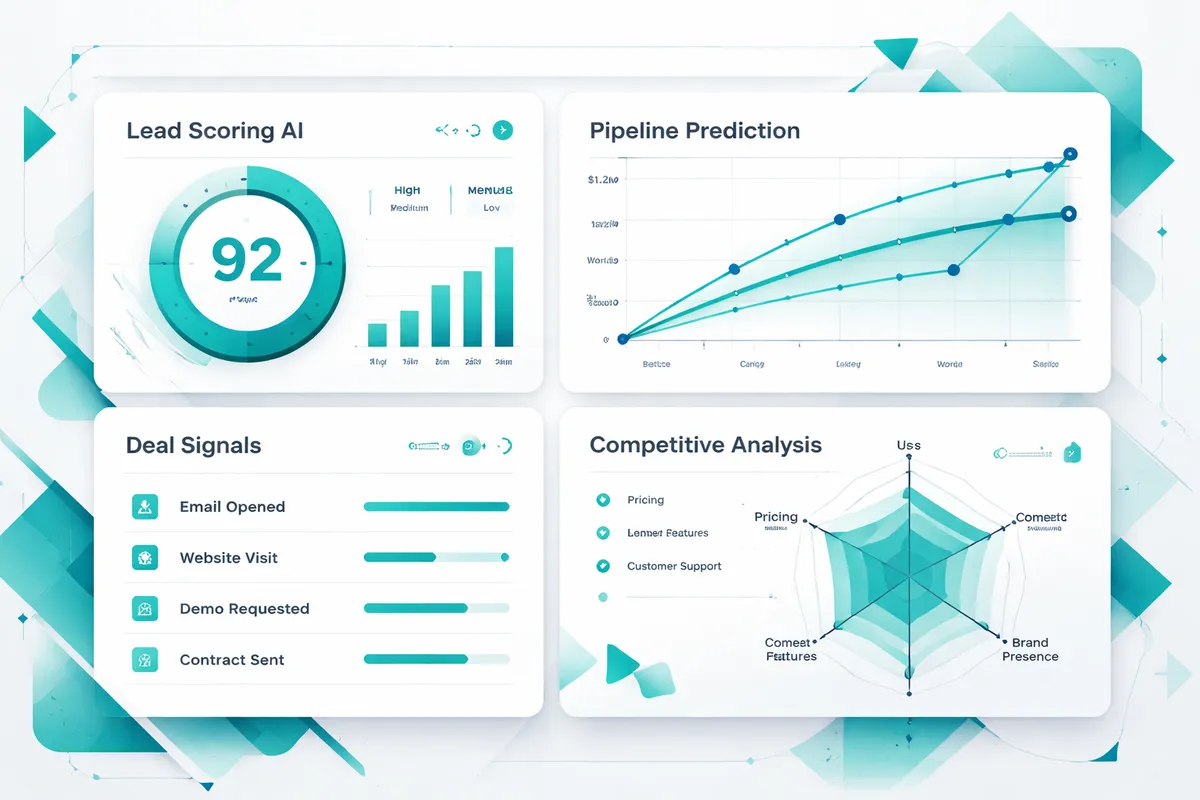
From that unified view, we build the scoring and signal models that the business will actually use. Customer scoring ranks your customer base by purchase probability: who is most likely to buy in the next thirty days based on their behavioral patterns. Signal detection identifies the specific behaviors that indicate readiness to purchase or risk of churn, such as a customer who has visited the website three times in a week or a customer who has not purchased in twice their normal interval. For businesses in quinceañera retail, signals might include visiting the dress page multiple times, opening multiple promotional emails, or asking the AI receptionist about appointments.
Sales intelligence output is delivered in a format that matches how your business actually works. For a business where the owner does all sales outreach personally, that might be a weekly list of five customers to contact with a specific reason for reaching out. For a business with a sales or customer service team, it might be a dashboard that shows current customer scores and flags high-priority contacts each morning.
Industries We Serve in Little Village
Quinceañera boutiques and event services near the Little Village Arch operate in a high-involvement purchase category with a long lead time and high individual purchase value. AI sales intelligence identifies families in the active research phase, tracks their engagement with the boutique's marketing, and flags the moment when follow-up outreach is most likely to lead to a consultation booking. For businesses where a single booking can be worth several thousand dollars, precise timing of outreach has direct revenue impact.
Jewelry stores and gift retailers on 26th Street near Kedzie Avenue benefit from occasion-based sales intelligence: identifying customers approaching anniversaries, birthdays, and Mother's Day based on their prior purchase history and flagging them for targeted outreach before the occasion. A jewelry store that reaches the right customer two weeks before their anniversary with a relevant product suggestion earns a transaction it would have lost to a competitor or to no purchase at all.
Restaurants and taquerías on California Avenue and 26th Street benefit from sales intelligence that identifies lapsed customers: regulars who have not visited in twice their normal interval. Targeted outreach to lapsed customers, with a relevant reason to return such as a new menu item or a seasonal special, recovers a meaningful percentage of business that would otherwise be considered lost.
Auto repair businesses on Pulaski Road and Cermak Road benefit from service interval intelligence: identifying customers whose vehicle is approaching the service interval based on the date of their last visit and the typical interval for their vehicle type. Proactive outreach with an appointment suggestion captures service business before the customer takes their vehicle to a competitor.
Carnicerías and specialty grocers near California Avenue benefit from purchase pattern intelligence: identifying customers whose buying patterns suggest they are purchasing from a competitor for specific product categories. A customer who historically bought specialty cuts weekly but has stopped coming in for that product may be buying it elsewhere. Sales intelligence flags the pattern; targeted outreach with relevant information about your selection attempts to recover the business.
Health and wellness practices near Our Lady of Tepeyac Parish benefit from patient retention intelligence: identifying patients who are past due for routine care based on their visit history. Proactive outreach to patients approaching or past their care intervals reduces the gap in preventive care that is common in under-resourced communities and maintains the patient relationship for the practice.
What to Expect Working With Us
1. Data integration and customer view construction. We connect your data sources and build the unified customer view that makes sales intelligence possible. This is the foundational step; without it, scoring and signal detection cannot function.
2. Scoring model configuration and signal definition. We configure the customer scoring model and define the behavioral signals that are most relevant for your business. For quinceañera businesses, signals differ from those used for restaurant loyalty. For each business, we identify the patterns that actually predict purchase or churn in your specific customer base.
3. Output design and team training. We design the output format that matches your team's workflow and train the people who will use the intelligence to act on it. Sales intelligence that is not acted on generates no revenue. We make sure the system is usable by the actual people in the business.
4. Monitoring and model refinement. We track the accuracy of scoring and signal predictions over time and refine the models as we learn more about what actually predicts purchasing behavior in Little Village's specific commercial environment.